
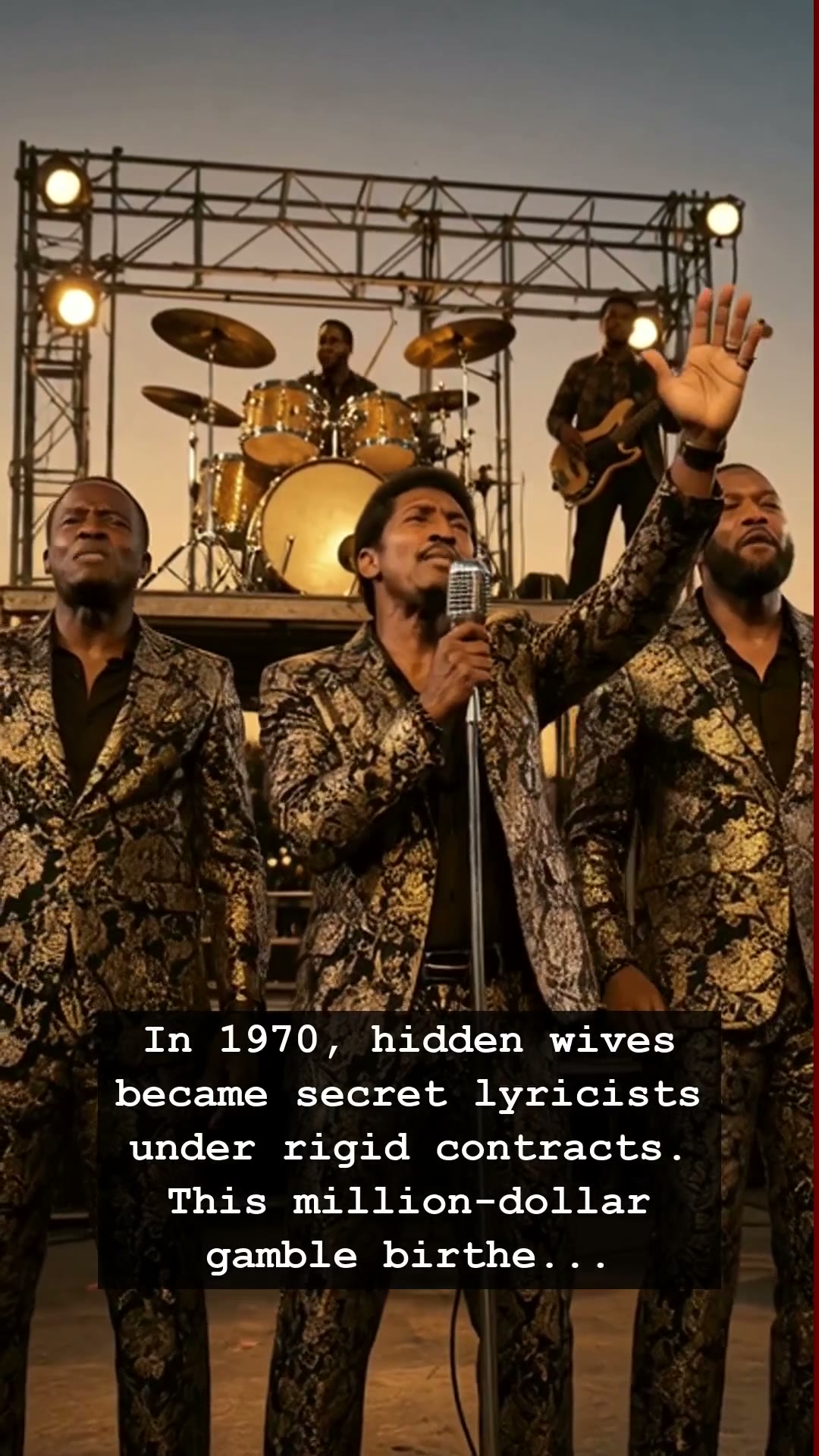
It was 1970, and the airwaves were dominated by the polished, infectious energy of Motown and the rising tide of soul music. Amidst the glitz of the era, the group Chairmen of the Board burst onto the scene with a sound that felt both familiar and revolutionary. Their breakout hit, Give Me Just a Little More Time, became an instant anthem that filled jukeboxes across America. But while the world was dancing to the smooth vocals of lead singer General Johnson, a quiet, high-stakes drama was unfolding behind the closed doors of the recording studio. The industry was a brutal machine where rigid contracts governed every note, yet the greatest lyrical secrets were hidden in plain sight by the very people who were forbidden from claiming their glory.
At the height of their success, the creative process for Chairmen of the Board was anything but transparent. Behind the shiny facade of million-dollar record deals and national tours, the real architects of their soulful magic were often the wives and partners of the creative team, operating in the shadows of the industry. These women, bound by restrictive legalities that favored the executives over the artists, functioned as silent co-writers. They poured their personal heartbreak, forbidden desires, and sharp wit into the verses that would define a generation, yet their names never appeared on the original liner notes. It was a classic gamble of the 1970s music business: bury the creative truth under a mountain of paperwork to ensure the image remained marketable and controlled.
This tension between corporate greed and raw human expression created the friction that made Chairmen of the Board so incredibly magnetic. The music captured the specific anxiety of a decade transitioning from the optimism of the sixties to the gritty reality of the seventies. Every chord change in their catalog echoed the uncertainty of the time, yet the lyrics remained timeless because they were grounded in the genuine, albeit hidden, experiences of those who were never meant to be heard. For the listeners of that era, holding a vinyl record while sitting near their bulky, wooden console stereos, the music felt like a confession. They didn’t know about the secret wives or the backroom deals, but they felt the authenticity that those hidden stories provided.
Today, we look back at the legacy of Chairmen of the Board not just as a footnote in soul history, but as a testament to the resilience of true artistry. When you listen to those tracks now, the scratchy warmth of the vinyl reveals a complexity that modern production often lacks. It is a haunting reminder that behind every massive hit of the late twentieth century, there were human lives fragmented by the industry’s demand for perfection. The story of these secret lyricists adds a layer of bittersweet melancholy to every chorus, proving that even the most restrictive contracts could not silence the truth forever.
As the golden age of soul continues to influence new generations, we find ourselves returning to these songs to touch the past. Chairmen of the Board remains a bridge to a time when music was the heartbeat of social change, despite the shadows cast by the executives pulling the strings. The next time you hear that unmistakable opening riff of their greatest hit, take a moment to consider the silent voices that helped weave that sonic tapestry. Perhaps the true magic of the era wasn’t just the beat, but the whispered stories that managed to escape the vaults and reach us across the decades.