
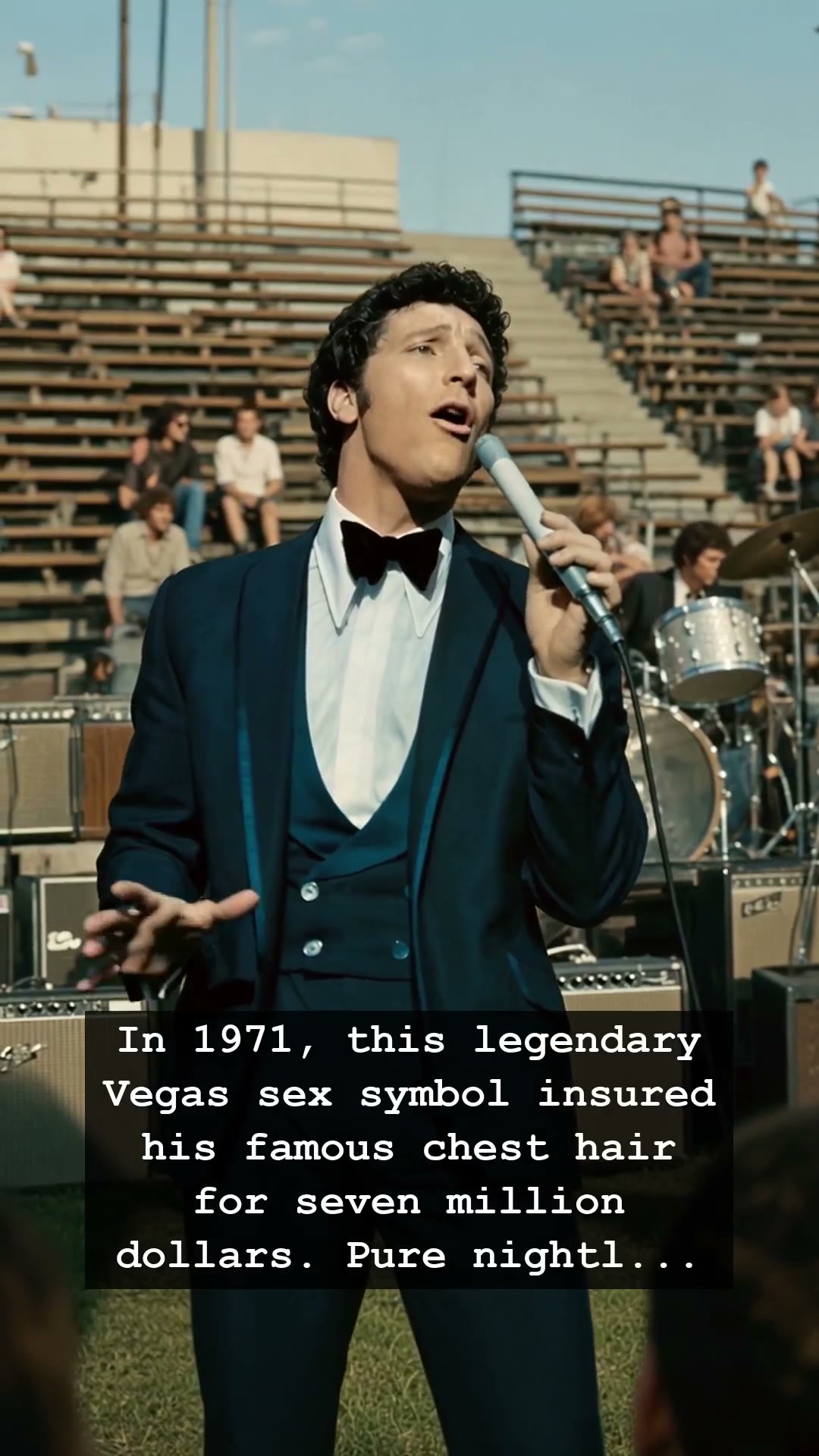
In the neon-soaked, velvet-drenched atmosphere of 1971 Las Vegas, the nights were long, the martinis were strong, and the rules of celebrity were written in gold. Amidst the hazy smoke of the Strip, one man stood as the undisputed titan of the stage: Tom Jones. With a voice that could crack crystal and a charisma that made the air feel thin, the Welsh powerhouse was more than just a singer; he was a cultural phenomenon. Yet, it was a decision made behind the scenes of his iconic residency that cemented his status as the ultimate sex symbol of the era. In a move that would baffle modern PR firms but perfectly captured the spirit of seventies excess, Tom Jones took out a staggering seven million dollar insurance policy on his trademark chest hair.
To understand this absurdity, one must transport themselves back to the era of the Jukebox and the rise of the superstar performer. The Las Vegas residency was not merely a concert series; it was a theater of the divine. Tom Jones ruled this stage with an open-shirt bravado that sent shockwaves through the audience. Women threw their hotel keys and undergarments onto the stage, fueled by the raw, untamed energy of the man before them. His chest hair became a sacred garment of his persona—a symbol of the hyper-masculinity that defined his brand. Insuring it for seven million dollars was a stroke of marketing genius, a dramatic statement that signaled to the world that every single inch of the man was a priceless, high-stakes commodity.
This was the golden age of the rock and roll hedonism, a time when stars lived large and the public craved the mystique of their gods. Tom Jones played the game to perfection. While his peers were grappling with the existential dread of the post-Woodstock era or drifting into the heavy sounds of Arena Rock, Tom Jones leaned into the glitz. He was the anchor of the Vegas night, a man whose presence in a nightclub felt like a brush with untouchable fame. His story represents a bridge between the classic crooners of the past and the explosive, ego-driven performance art that would soon dominate the airwaves of the burgeoning MTV generation.
Looking back, the seven million dollar policy feels like a relic of a more theatrical time. It highlights the peculiar intersection of fame and vanity that permeated the seventies. It was a period where reality was often indistinguishable from the stage show, and legends like Tom Jones were more than happy to blur the lines. His influence stretched far beyond the charts, impacting the very way we view the relationship between an artist’s physical identity and their public allure.
Decades later, the legend of Tom Jones continues to resonate in the hearts of those who remember the velvet-curtain intimacy of his Vegas shows. He remains a reminder of an age where showmanship was truly king and the boundaries of celebrity were meant to be pushed until they snapped. As we reflect on his legacy, we are not just remembering a voice, but a man who understood that if you are going to be a star, you might as well be an unforgettable one. So, the next time you hear a classic hit from the era, spare a thought for the man who once put a multimillion-dollar price tag on his own charisma.