
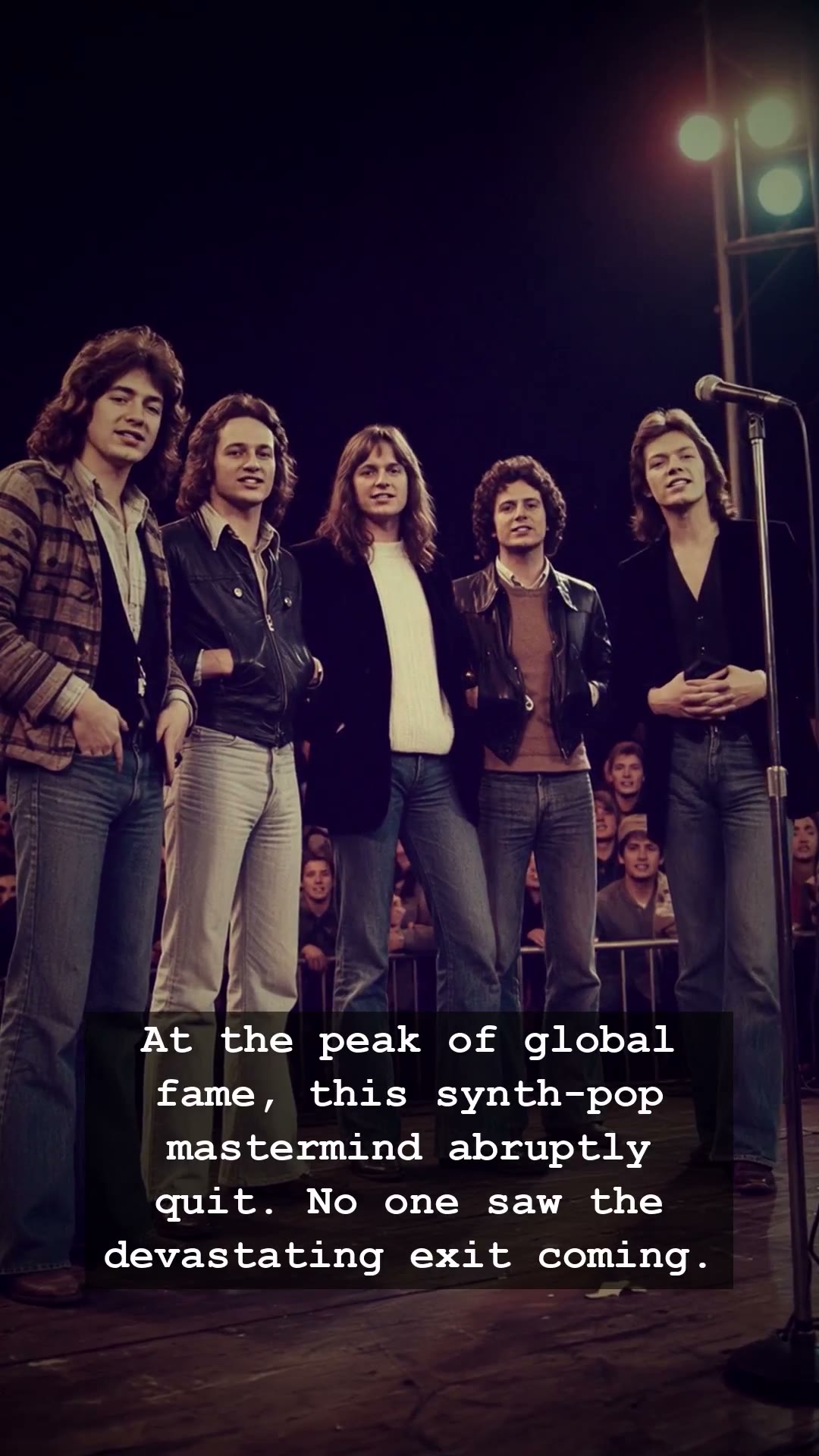
It was 1995, and the world was drenched in the neon haze of the MTV era. Depeche Mode had evolved from synth-pop pioneers into global arena-filling titans, yet behind the polished industrial beats, the machinery was grinding to a halt. At the absolute apex of their commercial success, the band’s sonic mastermind, Alan Wilder, did the unthinkable. He didn’t just step away from the microphone; he quietly walked out of the studio, leaving behind a legacy he helped forge and a vacuum that would change the trajectory of electronic music forever. No one saw the devastating exit coming, and the silence he left in his wake was louder than any synth hook he had ever programmed.
To understand Alan Wilder is to understand the meticulous, often obsessive architecture of the 1980s and early 90s soundscape. While the rest of the world was dancing to the frantic energy of synth-pop, Alan Wilder was in the shadows, layering intricate, dark textures that transformed Depeche Mode from chart-topping idols into tortured poets of the machine age. He was the architect of their transition, the man who injected the grit and atmosphere into their biggest hits. But as the band climbed higher, the weight of the fame began to crush the foundation of their creative collaboration. The relentless grind of tours, the pressure of the MTV spotlight, and the internal fractures within the group had reached a breaking point.
Behind the velvet curtains of global tours lay a darker reality. The exhaustion of constant recording cycles and the looming shadows of personal struggles made the studio feel more like a pressure cooker than a creative sanctuary. For Alan Wilder, the artistic friction had become unsustainable. He felt that the creative output no longer justified the emotional tax required to maintain it. It wasn’t a sudden burst of anger but a cold, calculated decision to preserve his own sanity. When he announced his departure, it felt like the end of an era, a tragic dissolution of a musical synergy that millions had come to rely on as the soundtrack to their own introspective lives.
Decades later, the legend of Alan Wilder remains a poignant reminder of the price of perfection. His exit was not just a loss for the band, but a haunting lesson in the limits of creative stamina during the height of rock-star excess. Fans who grew up clutching their Walkmans, listening to his intricate arrangements on repeat, still wonder what might have been had he stayed. His departure serves as a testament to the fact that even at the pinnacle of stardom, the internal narrative of an artist is often far more complex—and fragile—than the public ever gets to see.
Today, the echo of that era still resonates, calling back to a time when synthesisers were revolutionary and the studio was a battleground for perfection. Alan Wilder eventually stepped out of the spotlight for good, proving that sometimes, the most profound statement an artist can make is knowing exactly when to walk away. His story lingers in the synthesised heart of the eighties, a ghost in the machine who chose peace over the relentless, blinding glare of the stage.