
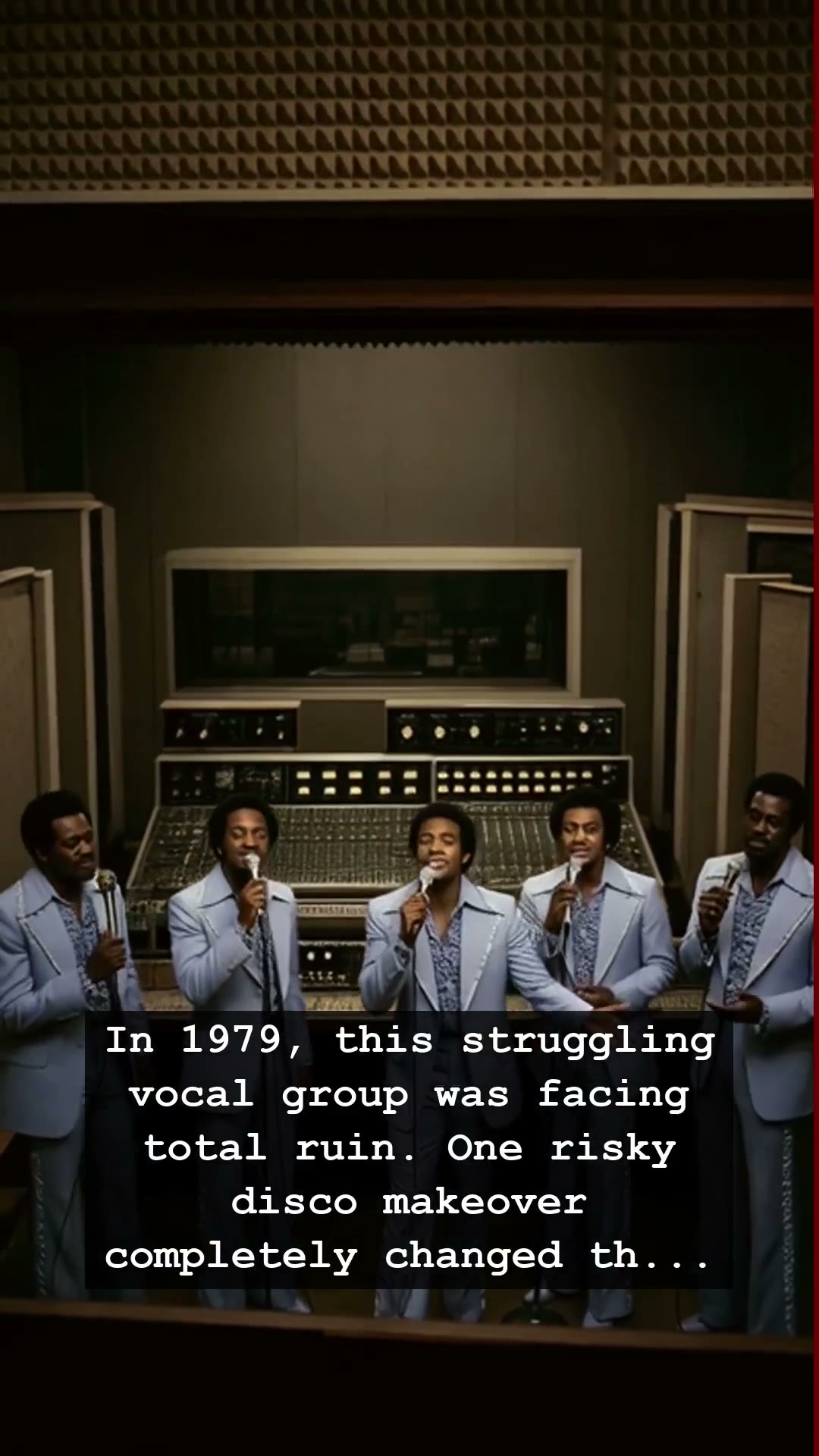
The year was 1979, and the music industry was undergoing a seismic shift. Glittering mirror balls and the rhythmic thrum of basslines dominated the airwaves, casting a long, neon shadow over the soulful vocal groups of the previous decade. The Spinners, a group that had once defined the smooth R&B sound, found themselves standing on the precipice of total obscurity. Their label, Atlantic, was losing faith, and the charts were becoming an unforgiving place for legacy acts. They were fading, their relevance slipping through their fingers like sand, when a desperate decision turned their entire trajectory upside down.
For years, The Spinners had relied on the sophisticated, melodic arrangements that made them legends of the Motown and soul era. But as the disco craze moved from the underground dance floors of Studio 54 to the mainstream, the group faced a haunting choice: adapt or perish. In a move that many purists initially deemed a betrayal of their soul roots, they chose to lean into the pulse of the era. They took a forgotten, dusty tune from the sixties and decided to drape it in the shimmering, high-energy production that defined the late seventies. It was a gamble that defied the conventional wisdom of the time.
When they entered the studio to record the disco-infused version of Working My Way Back to You, the atmosphere was thick with anxiety. The members of The Spinners were seasoned veterans, used to the velvet-smooth harmonies of a different time. Yet, as the track began to take shape, something electric happened. The blend of their classic vocal prowess with the driving, unstoppable beat created an anthem that felt both nostalgic and urgently modern. It wasn’t just a song; it was a lifeline cast into the tumultuous waters of the pop music landscape.
The result was nothing short of miraculous. The track exploded on the charts, catapulting The Spinners back into the public consciousness with a force that surprised even their most optimistic supporters. Suddenly, they were no longer a relic of the past; they were the kings of the airwaves, performing in arenas packed with fans who had rediscovered the joy of their harmony. The transformation saved their career and proved that even a group steeped in history could find new life in the glitter-drenched sounds of the disco revolution.
Looking back, the success of this period remains a testament to the resilience of The Spinners. They didn’t just survive the transition between eras; they conquered it by refusing to let their story end in the shadows. Their willingness to evolve while keeping their soul intact is exactly why we still find ourselves dancing to their music today. It serves as a reminder that even when the lights of fame seem to be dimming, a bold change in rhythm can lead to an unexpected, triumphant encore. Their legacy remains a vital piece of the American musical tapestry, echoing through the halls of history long after the last mirror ball has stopped spinning.