
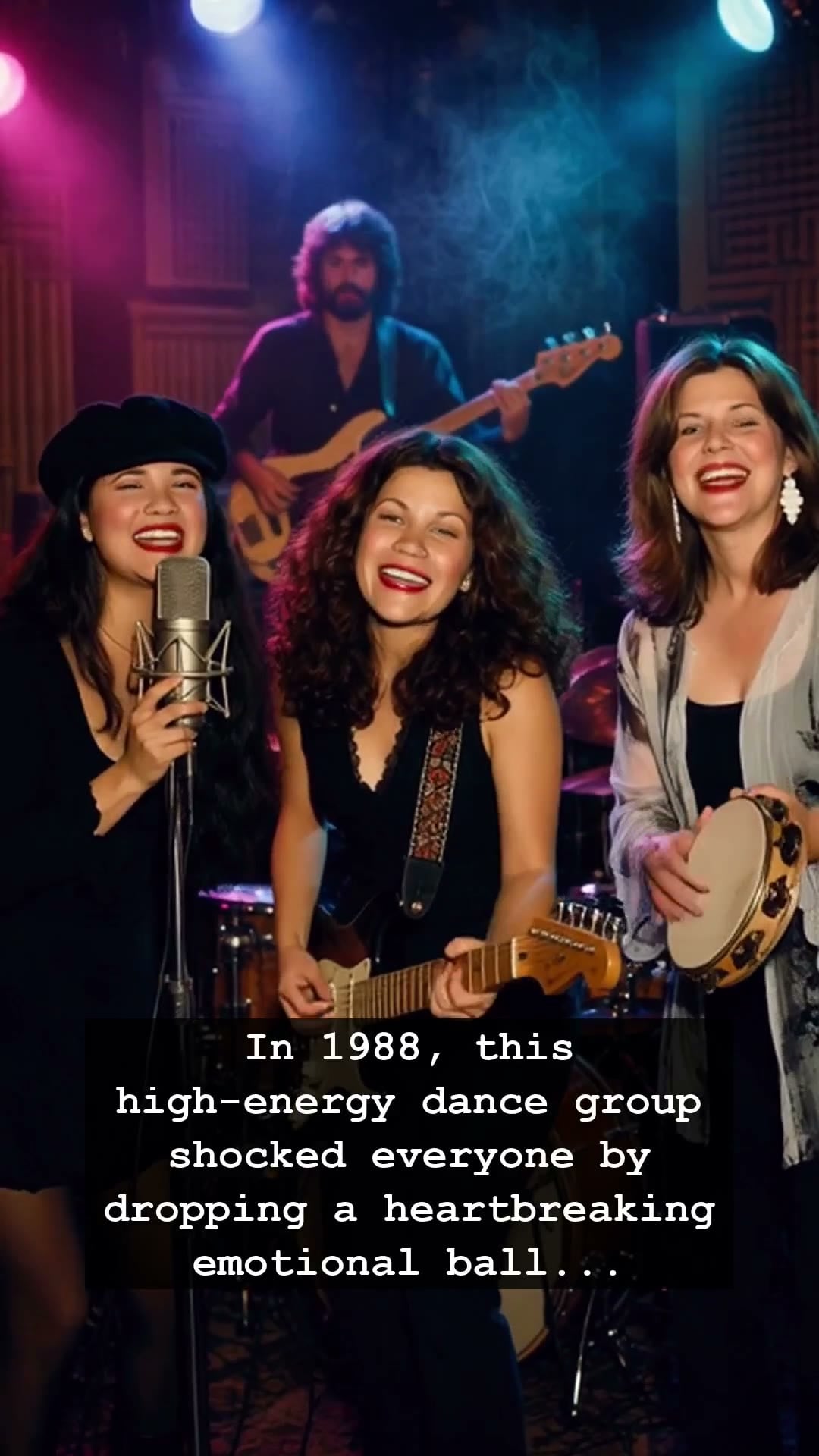
In the neon-soaked landscape of 1988, the music scene was a relentless treadmill of high-energy dance tracks, pulsing synthesizers, and the frantic beats of the club circuit. At the center of this movement was the trio known as Exposé. Jeanette Jurado, Gioia Bruno, and Ann Curcio were the queens of the freestyle movement, dominating every Jukebox and dance floor from New York to Los Angeles. They were perceived by critics as a disposable pop product, a group meant to ignite a dance-pop bonfire that would burn out as quickly as it started. But then, they did the unthinkable and shifted the gear from fast-paced rhythm to a raw, heartbreaking vulnerability that left the industry stunned.
That pivotal moment came in the form of their hit song Seasons Change. It was a departure so radical that industry insiders whispered it would be their undoing. How could a group defined by the aggressive tempo of the dance club survive a slow, soul-stirring ballad? The critics sharpened their pens, ready to tear apart what they deemed a desperate grab for mainstream relevance. Yet, when the first notes of the piano drifted across the airwaves, the world stopped. The song was a devastating exploration of lost love and the inevitable shifts of time, delivered with a vocal precision that silenced every skeptic in the business.
It was not just a song; it was a cultural pivot point. As MTV began to broadcast the music video, audiences saw a different side of the trio, moving away from the glitz and high-fashion hairspray aesthetic into something deeply human. Seasons Change didn’t just climb the charts; it claimed the number one spot on the Billboard Hot 100, effectively destroying the stereotype that dance groups lacked artistic depth or emotional range. This was the era of the Walkman and the cassette tape, and thousands of teenagers sat in their rooms rewinding the tape to capture the exact moment the chorus hit, feeling every word of the lyrics as if it were their own personal anthem.
Behind the success of Exposé lay the pressure cooker of the late eighties music industry. It was a time when image was everything, and the competition was cutthroat. To break out of the pigeonhole of being ‘just’ a dance group required courage. The recording process for the album was intense, filled with the late-night studio sessions and the relentless demand for perfection that defined the decade. By choosing to release such a melancholic, reflective piece, the women of Exposé proved they possessed the vocal chops to stand alongside the biggest power balladeers of the time.
Looking back, the success of Seasons Change remains a testament to the power of breaking expectations. It serves as a reminder that even in the middle of a synth-pop explosion, there is always room for a story of heartbreak. It captured the bittersweet transition from youth into adulthood, a theme that resonates just as strongly with listeners today as it did over three decades ago. Whether you heard it in a crowded club or on the radio during a lonely drive home, the music of Exposé defined a specific, crystalline moment in the American songbook that refuses to fade away. It stands as a beautiful, melancholic relic of a time when pop music dared to show its vulnerable heart.