
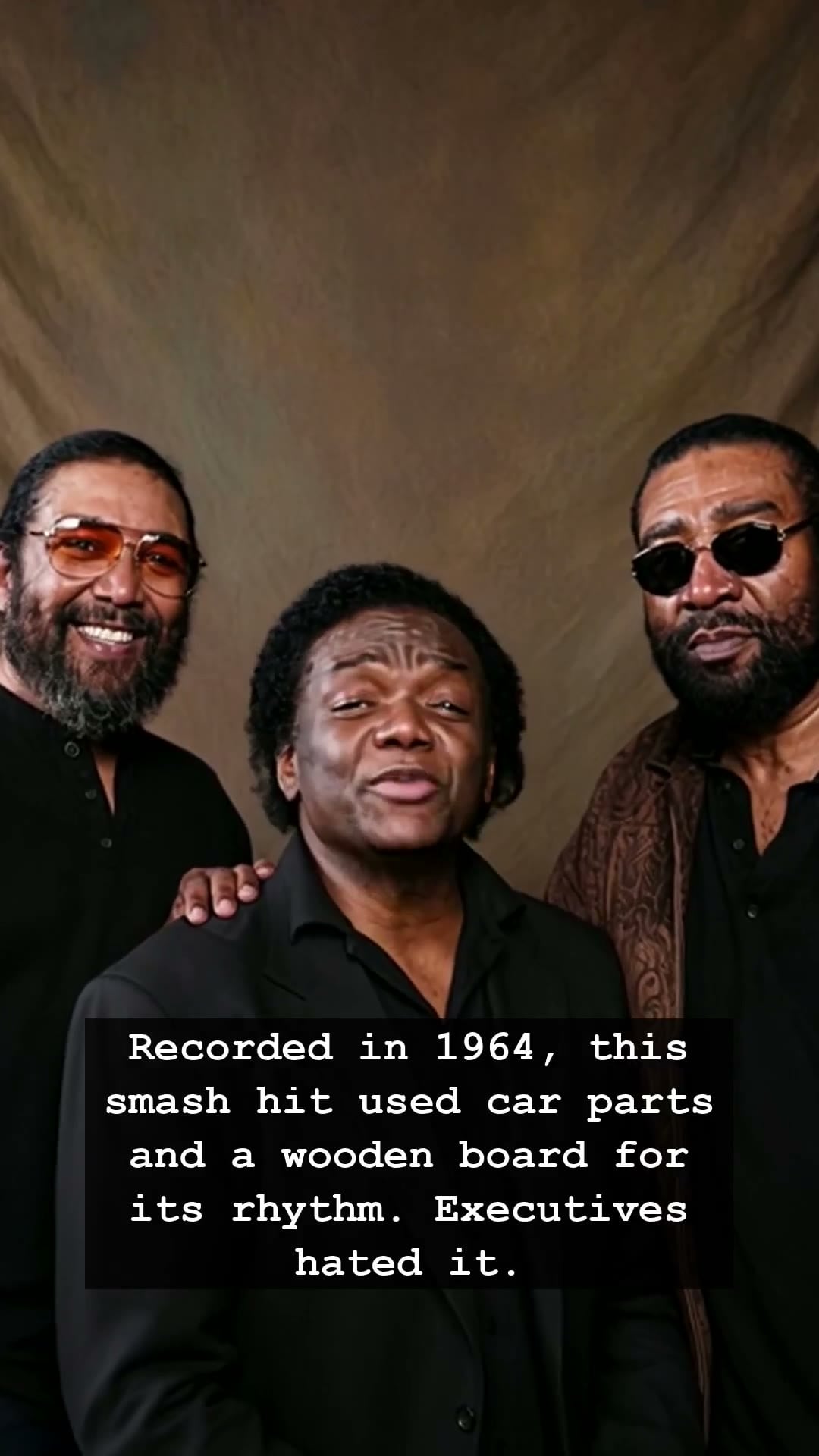
In the sweltering summer of 1964, the airwaves were cluttered with surf rock and the polite pop of the early sixties. Amidst this sonic landscape, a group of young women from Detroit’s Brewster-Douglass housing projects were fighting to keep their dream alive. The Supremes, led by the charismatic Diana Ross, had suffered a string of commercial failures that earned them the cruel nickname ‘the No-Hit Supremes.’ But then came a session at Hitsville U.S.A. that would change the trajectory of music history forever, built on a rhythm track that defied every standard of professional studio recording.
The genius behind the sound was the legendary Motown production team, Holland-Dozier-Holland. They were chasing a rhythm that felt industrial, grounded, and undeniably visceral. When traditional percussion failed to capture the pulse of the street, they reached for the unconventional. They grabbed a wooden board and a heavy chain, even incorporating the metallic resonance of discarded car parts scavenged from the Detroit automotive plants nearby. The engineers beat against these scraps, layering a raw, percussive stomp that felt like the mechanical heart of Motor City itself. It was dirty, it was jarring, and it was absolutely perfect.
Yet, when the label executives heard the initial playback of Where Did Our Love Go, they were horrified. They believed the track was too repetitive, too minimalist, and entirely lacking the sophisticated polish expected of a major label release. In an era dominated by the glitz of burgeoning television specials and the pristine production of the British Invasion, the executives saw failure written all over the abrasive, homemade beat. They wanted The Supremes to sound like high-society icons, but the girls were singing with the grit and soul of the reality that raised them.
Against all odds, the song was released, and the public reaction was instantaneous. That clanking, relentless beat cut through the static of the radio, demanding attention. It propelled The Supremes to the top of the Billboard Hot 100, marking the first of an unprecedented string of number-one hits. The success of the track turned the group into international superstars, eventually leading them to Studio 54 royalty and permanent legendary status. They weren’t just a girl group anymore; they were the aesthetic heart of the Motown revolution.
Looking back from our modern perspective, the story of The Supremes remains a testament to the power of artistic defiance. That wooden board and those car parts became a symbol of Motown’s unique alchemy—turning the industrial labor of their city into the golden sound of a generation. The success of the song proved that true soul doesn’t come from expensive equipment, but from the audacity to innovate when everyone else expects you to fail. Today, whenever we spin those classic vinyl records, we aren’t just hearing a song; we are hearing the beautiful, clattering heartbeat of a dream that refused to die.