
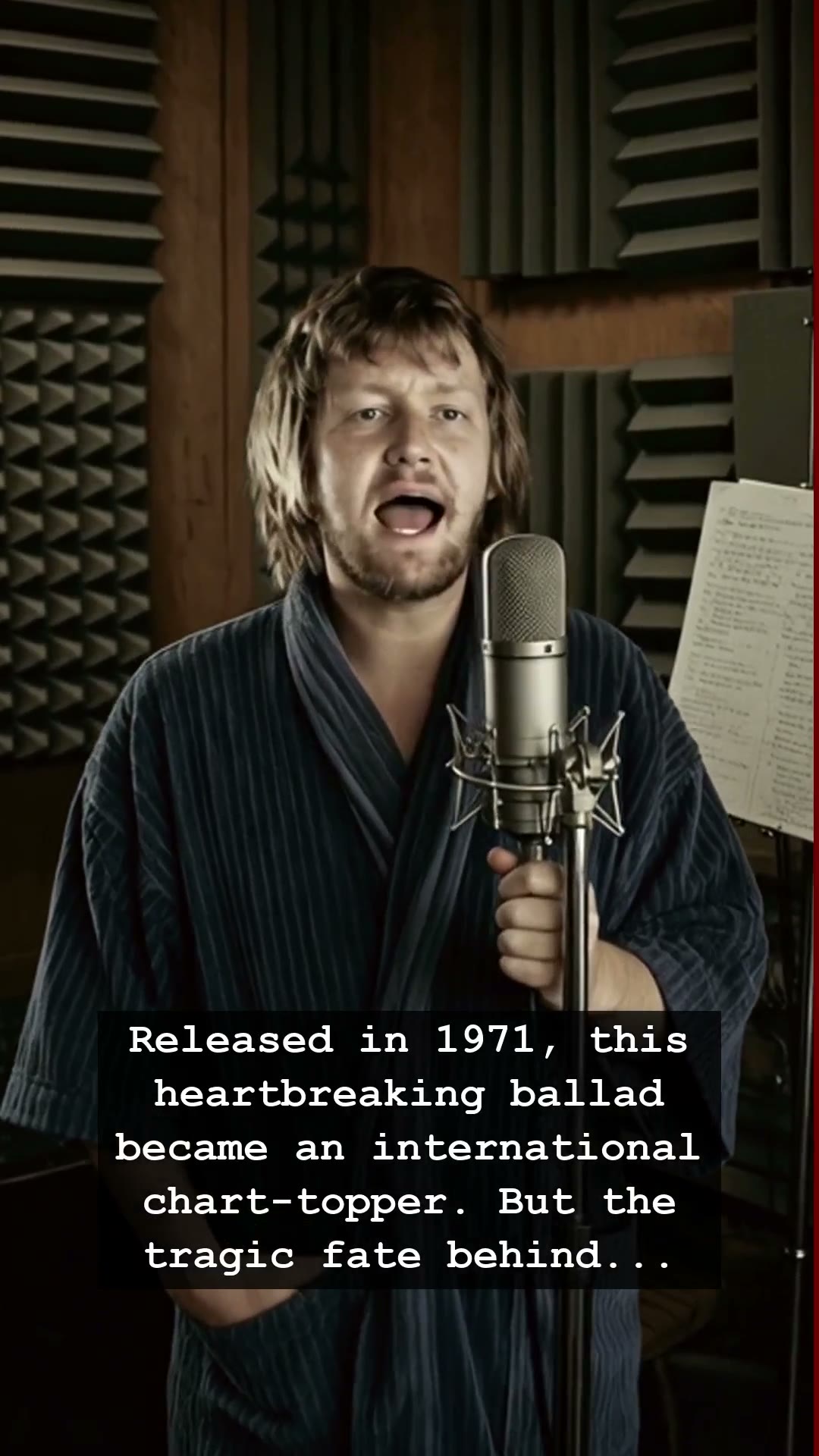
It started as a quiet melody penned by the British rock band Badfinger, a melancholic plea for love that few noticed at first. Yet, when Harry Nilsson chose to cover the track in 1971, he transformed it into a global phenomenon. For millions of listeners tuning in on their car radios or spinning records on their home consoles, Without You became the ultimate anthem of heartbreak. But behind the lush production and those soaring, desperate vocals, a dark and suffocating shadow was beginning to stretch across the lives of everyone involved. The song did not just top the charts; it seemed to leave a permanent, sorrowful mark on the souls of its creators.
To understand the gravity of this track, one must look at the fragile state of the music industry in the early seventies. Harry Nilsson was a man of immense talent, a close friend of The Beatles, and a voice that defined the era. When he recorded his version of Without You, he was grappling with his own demons, navigating the excess and isolation that fame often demanded during the golden age of the studio era. While the song propelled him to new heights of commercial success, the members of Badfinger were suffering in the wings. Despite their immense songwriting gift, they were entangled in a predatory web of mismanagement and financial ruin that would soon lead to the unthinkable.
As the song became a fixture on the radio, the professional triumph stood in stark contrast to the unfolding personal tragedies. The band members found themselves trapped in a labyrinth of legal battles and broken promises, a stark reminder of how the glimmering surface of the music industry often hid a rotting core. For Harry Nilsson, the success was a double-edged sword, and for the members of Badfinger, the financial despair became an insurmountable burden. The tragedy of the song is that its beauty was born from a creative brilliance that could not survive the cold, calculating greed of the business that housed it.
By the time the mid-seventies arrived, the darkness that surrounded the song’s creation had manifested in horrific losses. The suicide of Badfinger’s Pete Ham, and later Tom Evans, remains one of the most haunting chapters in rock history. Critics and fans alike have often spoken of the curse that seemed to follow the melody, a tragic narrative of artistic genius colliding with the devastating reality of human vulnerability. It is a story that resonates because it exposes the fragility of those who provide the soundtrack to our most intimate memories.
Today, when we hear the opening notes of Without You, it is impossible to ignore the weight of the history behind it. It remains a masterpiece of the pop era, a testament to what happens when raw emotion is captured perfectly on magnetic tape. We listen to the song not just as a piece of music, but as a bridge to a time when artists were both untouchable legends and deeply flawed individuals fighting to stay afloat. The music survives, echoing through the decades, reminding us of the cost of fame and the enduring power of a broken heart.