
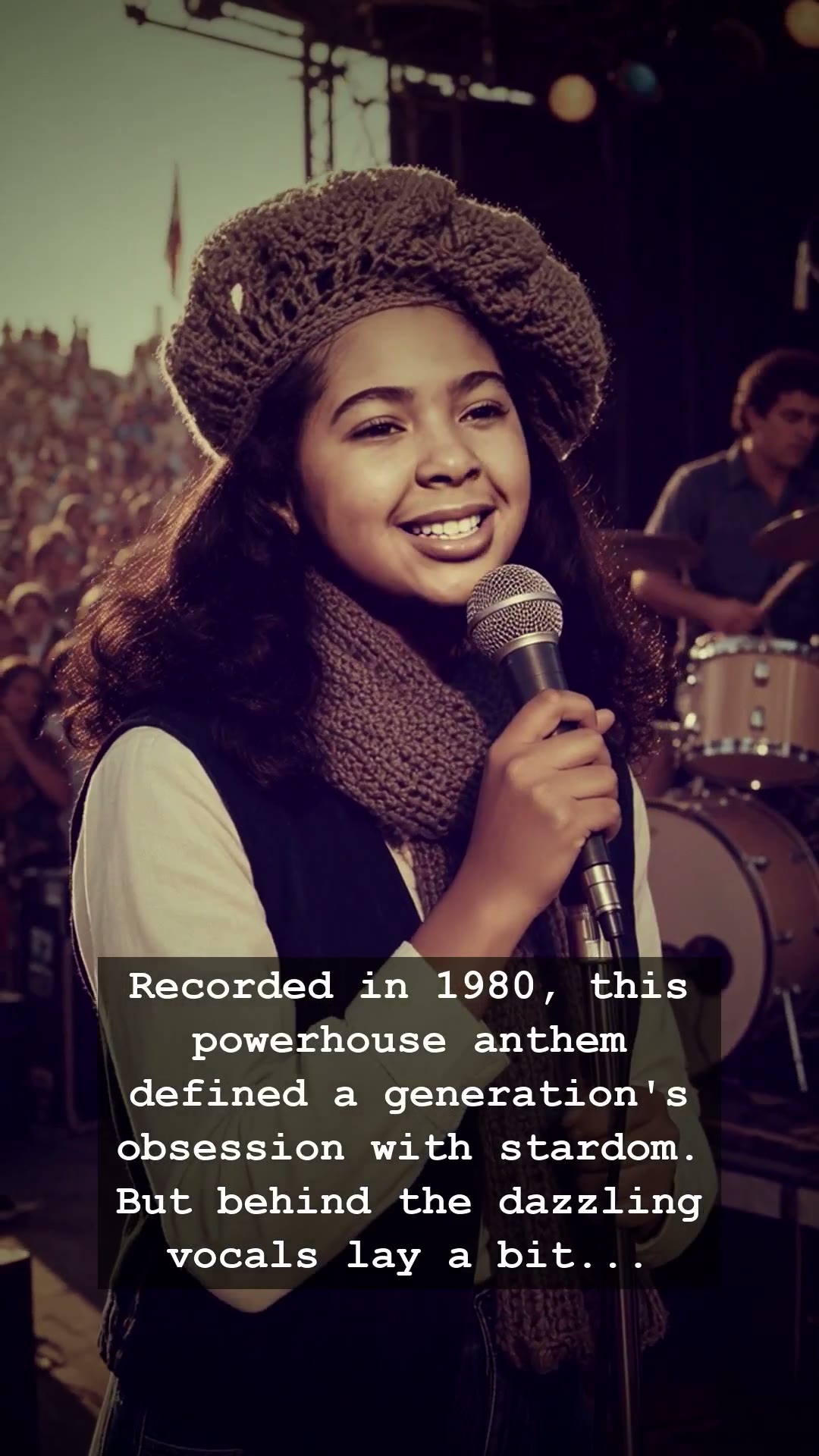
In 1980, the silver screen exploded with the electrifying energy of Fame, a film that captured the desperate hunger of a generation obsessed with stardom. At the heart of this cultural phenomenon was Irene Cara, a young woman whose voice became the anthem for every dreamer huddled around a glowing television set. As the title track soared to the top of the charts, the world saw only a rising supernova, a powerhouse performer who seemed destined for a lifelong reign at the summit of the industry. But behind the shimmering sequins and the infectious, driving beat that defined the early eighties, Irene Cara was navigating a treacherous labyrinth of contractual traps and emotional isolation that the public never dared to imagine.
While the MTV generation was busy learning the choreography to her hit songs, Irene Cara was fighting a quiet war for the rights to her own voice and the fruits of her labor. The industry, often predatory in the neon-soaked era of the late twentieth century, proved to be far more unforgiving than the fictional dance academy in her breakout film. Despite her massive success, Irene Cara found herself ensnared in a web of legal battles and underpaid royalties, a bitter reality that stood in stark contrast to the triumphant lyrics she belted out with such conviction. It was a classic tale of the artist being chewed up by the very machine that manufactured their fame.
This hidden heartbreak did not diminish the impact of her music; rather, it added a haunting layer of authenticity to every note she recorded. When you listen to the soaring peaks of her vocals today, you aren’t just hearing a pop song from the era of synthesizers and jukeboxes; you are hearing the grit of someone who knew exactly what it meant to reach for the stars and find that the light could burn just as much as it could illuminate. Her struggle was indicative of a time when the legal framework for artists was as fragile as the glass-half-empty promises of record executives hovering in high-rise offices.
Looking back, it is impossible to divorce the joy of the eighties synth-pop explosion from the personal costs paid by its brightest stars. Irene Cara remains a symbol of that era—a time of immense creative output and equally immense personal sacrifice. The glamour of the studio was often a facade for long, grueling nights and the relentless pressure to maintain a public persona that felt increasingly alien to the human being behind the microphone. Her career serves as a poignant reminder that even the most soaring anthems are often born from the quietest depths of sorrow.
Today, we revisit these tracks not just for the nostalgia of the walkman era or the aesthetic of the disco aftermath, but to honor the resilience of voices like Irene Cara. She transcended the industry’s cruelty, leaving behind a legacy that continues to resonate with anyone who has ever dared to pursue a dream against all odds. When you hear that opening piano chord hit the airwaves, remember the woman who brought it to life, and the silent, strength-filled battle she fought so that we could have the soundtrack to our own ambitions. Her story remains a testament to the endurance of talent in a world that rarely plays fair.