
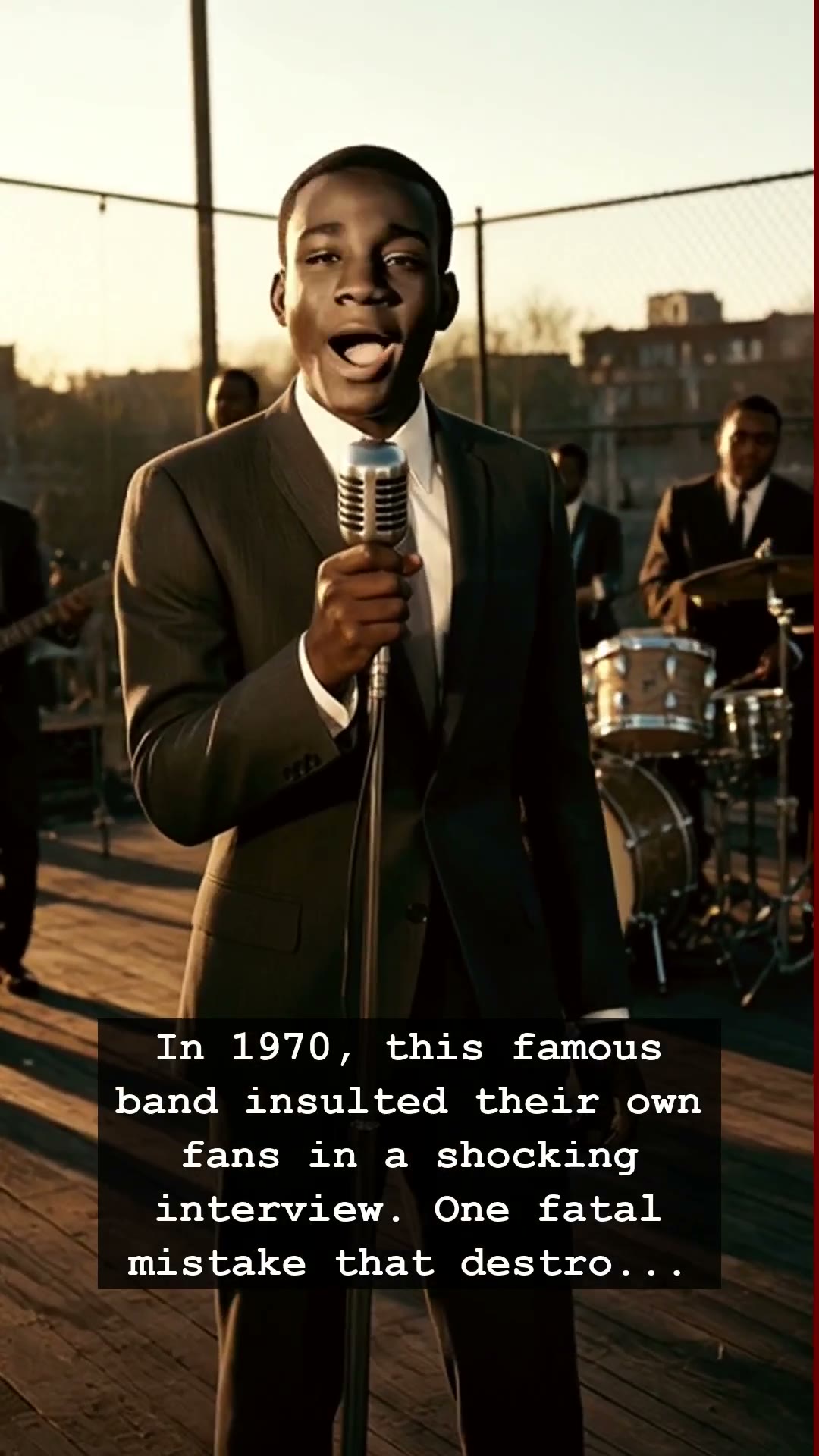
The year was 1970, a time when the Jukebox in every corner pub was spinning the latest records, and the British music scene was undergoing a seismic shift. Amidst this cultural electricity stood The Tremeloes. They were the golden boys of pop, the harmony-drenched outfit that had climbed the charts with effortless charm. They were supposed to be the soundtrack to a generation, yet, in a single afternoon, they managed to dismantle the very foundation of their fame. What happened in that fateful interview remains one of the most chilling cautionary tales in the history of rock and roll.
It began with an interview that was intended to show the band’s edge, but instead, it revealed a startling disdain for the very people who bought their records. The Tremeloes, feeling the pressures of a changing music landscape where heavier sounds like psychedelic rock were beginning to dominate, grew frustrated with their own bubblegum image. In a moment of sheer hubris, they branded their loyal fans as morons during a national press sit-down. They didn’t just stumble; they jumped off a cliff. For a band that built its reputation on clean-cut, melodic appeal, insulting the intelligence of their base was a death sentence written in ink.
This was not just a simple PR gaffe; it was a societal earthquake for their career. In an era where loyalty to one’s favorite band was akin to a religious devotion, The Tremeloes had committed an unforgivable sin. The backlash was immediate and suffocating. Radio stations that had once spun their hits around the clock suddenly found other records to play. The records that were once flying off the shelves of local shops now sat gathering dust, physical reminders of a bridge burned in seconds. The silence that followed was deafening, as the charts—which had once been their playground—simply closed the door on them.
Looking back from our modern vantage point, the story of The Tremeloes serves as a dark mirror to the fragility of fame. Before the age of instant social media cancel culture, this was a raw, analog lesson in accountability. The band had spent years cultivating a connection with listeners, only to sever it with a few arrogant sentences. It highlights the volatile nature of the industry during the transition from the swinging sixties to the grittier seventies, a time when artists were caught between their genuine musical identities and the demands of commercial viability.
Today, The Tremeloes remain a fascinating case study in the anatomy of a downfall. They remind us that the distance between a superstar and a footnote is often shorter than we think. While their music still echoes in the halls of classic pop history, the memory of that 1970 interview is a haunting reminder that fame is a privilege, not a birthright. Whether you remember them for their soaring harmonies or the controversy that silenced them, one thing is certain: they changed the way the world viewed the relationship between the idol and the fan.