
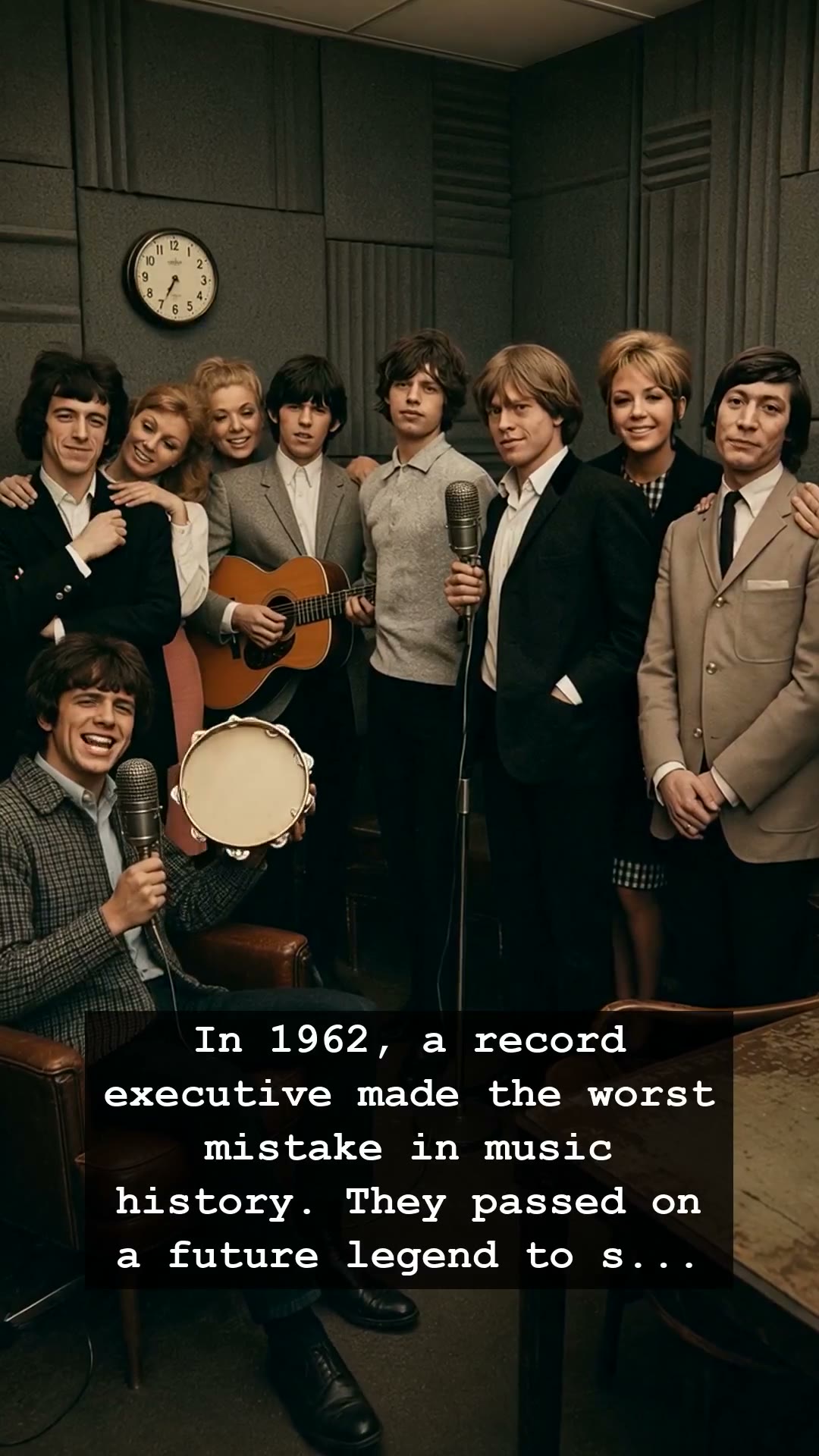
It was the first day of the year 1962, and the atmosphere inside the Decca Records studio was thick with the scent of floor wax and corporate apprehension. Mike Smith, a high-ranking executive tasked with scouting the next big sensation, sat behind the mixing desk. Before him stood a quartet from Liverpool with mop-top haircuts and a raw, unpolished energy that seemed to vibrate through the walls. But after a grueling audition, the decision came down to a cold, calculated judgment. Decca rejected them, famously claiming that guitar groups were on their way out. Instead, they signed The Tremeloes, a polished pop band that fit the label’s vision of radio-friendly success. That day remains the single most catastrophic miscalculation in the annals of music history, as the rejected band was none other than The Beatles.
While history remembers the stinging snub, the story of The Tremeloes is far more than just a footnote in a cautionary tale. Formed in Dagenham, they were the quintessential British beat group of the early sixties. With their impeccable harmonies and synchronized movements, The Tremeloes perfectly embodied the jukebox spirit of the era. They weren’t bad musicians—in fact, they were quite talented—but they were caught in the crossfire of a cultural shift they couldn’t possibly predict. While their counterparts went on to spearhead the British Invasion and redefine the landscape of global pop culture, The Tremeloes spent their years navigating the fluctuating charts, sometimes chasing the very ghosts of the legend they accidentally replaced.
There is a profound, almost tragic irony in the way The Tremeloes became synonymous with this historic blunder. Every time their name is mentioned, it acts as a cultural anchor, tethering the listener to a time when record executives held the keys to immortality and frequently dropped them. Yet, there is a certain charm in their persistence. Even as the psychedelic sixties gave way to the grit of the seventies, they managed to carve out their own space in the music world. They were the sound of a dream that was perfectly pleasant but lacked the dangerous, revolutionary spark that would eventually burn down the established music industry.
To listen to The Tremeloes today is to take a trip back to a simpler, more analog world. It is a world of transistor radios, hair tonic, and the innocent optimism of the early pre-Beatlemania days. They remain a testament to the fact that talent alone does not guarantee a legacy. Sometimes, success is an intersection of timing, chemistry, and the unpredictable whims of an industry that often has no idea what it is truly looking for. The Tremeloes might have been the beneficiaries of a mistake, but they played their part in the tapestry of our collective musical memory with remarkable grace.
In the grand scheme of rock and roll, we often forget that the losers of history are just as fascinating as the winners. We obsess over the legends, but the stories of those standing in the shadows—the ones who were chosen when they shouldn’t have been—reveal the true volatility of the spotlight. So, the next time you hear a track from this era, listen closely. You might just hear the echo of a decision that changed everything. The legacy of The Tremeloes is a gentle reminder that in the music business, the line between legendary success and historical obscurity is often drawn by the single scratch of a fountain pen.