
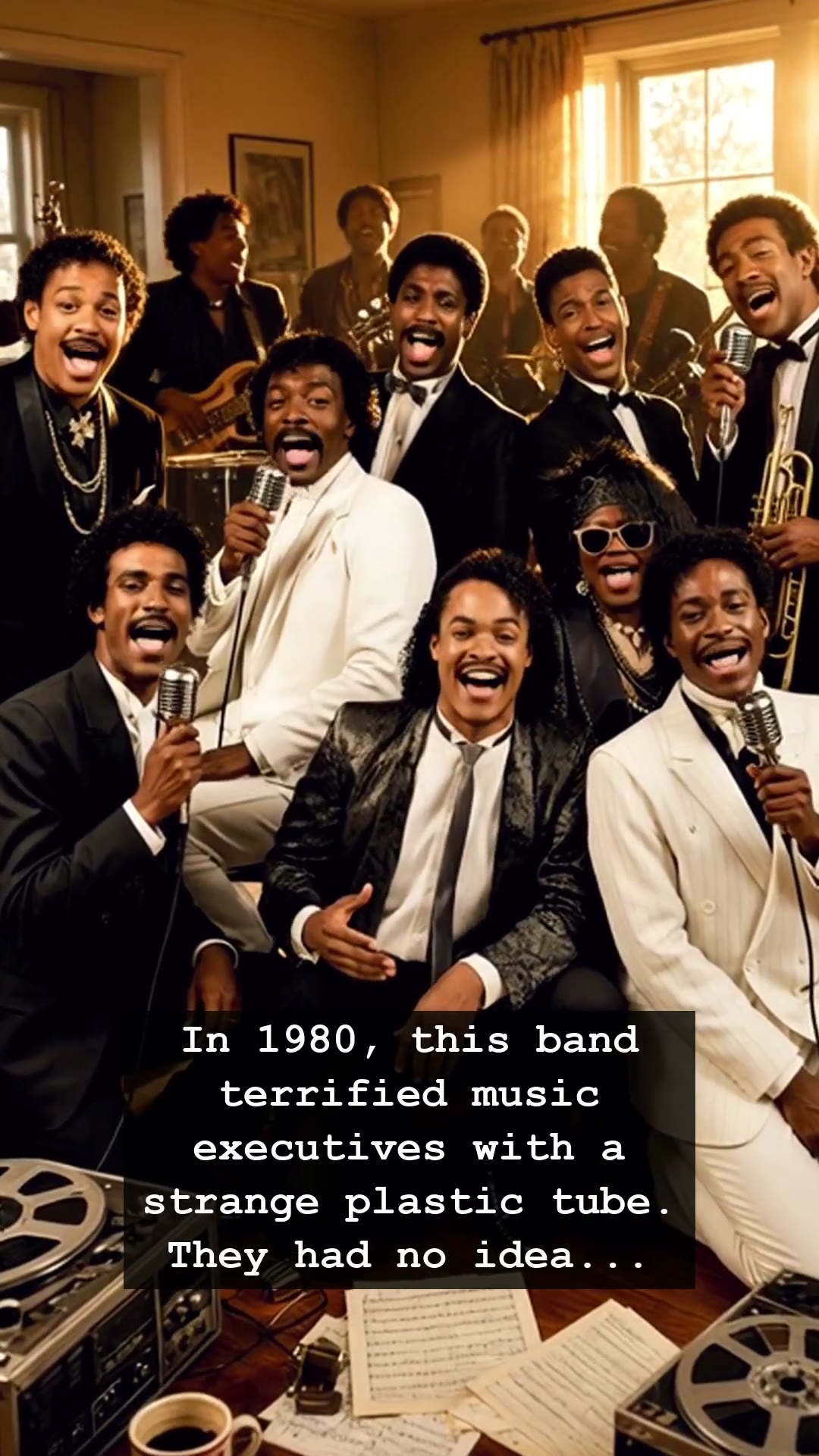
In 1980, the music industry was comfortable. Traditional producers in the polished studios of the late seventies expected drums, bass, and natural vocals. Then, a group of brothers from Dayton, Ohio, walked into the room carrying a strange, translucent plastic tube attached to a keyboard. When they first unveiled the Talk Box, label executives were not impressed; they were genuinely terrified. They thought it was a gimmick, a sonic experiment destined to fail, and perhaps even a threat to the soul of the genre. They had no idea that the Zapp band was about to redefine the entire trajectory of funk, creating an electronic, robotic voice that would haunt the airwaves for the next decade.
Roger Troutman, the visionary leader of the Zapp band, was not interested in conforming to the industry standards of the time. The band’s self-titled debut album arrived when the disco era was gasping for air and the world was transitioning toward a new, synth-driven aesthetic. The sound of Zapp was different. It was heavy, syncopated, and deeply rooted in the gritty, industrial spirit of the Midwest. The plastic tube connected to the Talk Box allowed Roger to shape keyboard sounds with his own mouth, creating a distorted, human-machine hybrid that sounded like something from a distant, groovy future. It was visceral, experimental, and undeniably revolutionary.
This era was defined by the transition from the organic analog sound of the seventies to the high-tech precision of the early eighties. While the world was busy discovering the convenience of the portable Walkman and the visual spectacle of MTV, the Zapp band was in the trenches, refining a signature style that would become the blueprint for G-funk and the backbone of countless hip-hop hits years later. Their music felt like a bridge between the street-corner soul of the past and the digital landscape that was rapidly approaching. It was the sound of the future appearing on a jukebox in a dimly lit neighborhood bar.
Behind the legendary success of tracks like More Bounce to the Ounce lay a tireless work ethic and the internal pressures of a family-run ensemble. The band lived for the stage, enduring the grueling realities of touring and the relentless pressure to stay ahead of the curve. While their hit songs kept dance floors packed at places like Studio 54, the reality of the music business was often much darker. Yet, despite the creative conflicts and the high stakes of fame, Zapp remained focused on their craft. They proved that a group of brothers could manipulate hardware in ways that even seasoned sound engineers couldn’t fully comprehend, pushing the boundaries of what funk could actually be.
Decades later, the legacy of the Zapp band continues to vibrate through the speakers of a new generation. Their influence is woven into the DNA of modern electronic music and hip-hop, reminding us that true innovation often starts with a single, unconventional idea that scares the establishment. When you hear that iconic, metallic, singing voice today, you are hearing the echo of a moment where music history shifted forever. Do you still remember the first time that synthesized soul hit your ears and made you move?