
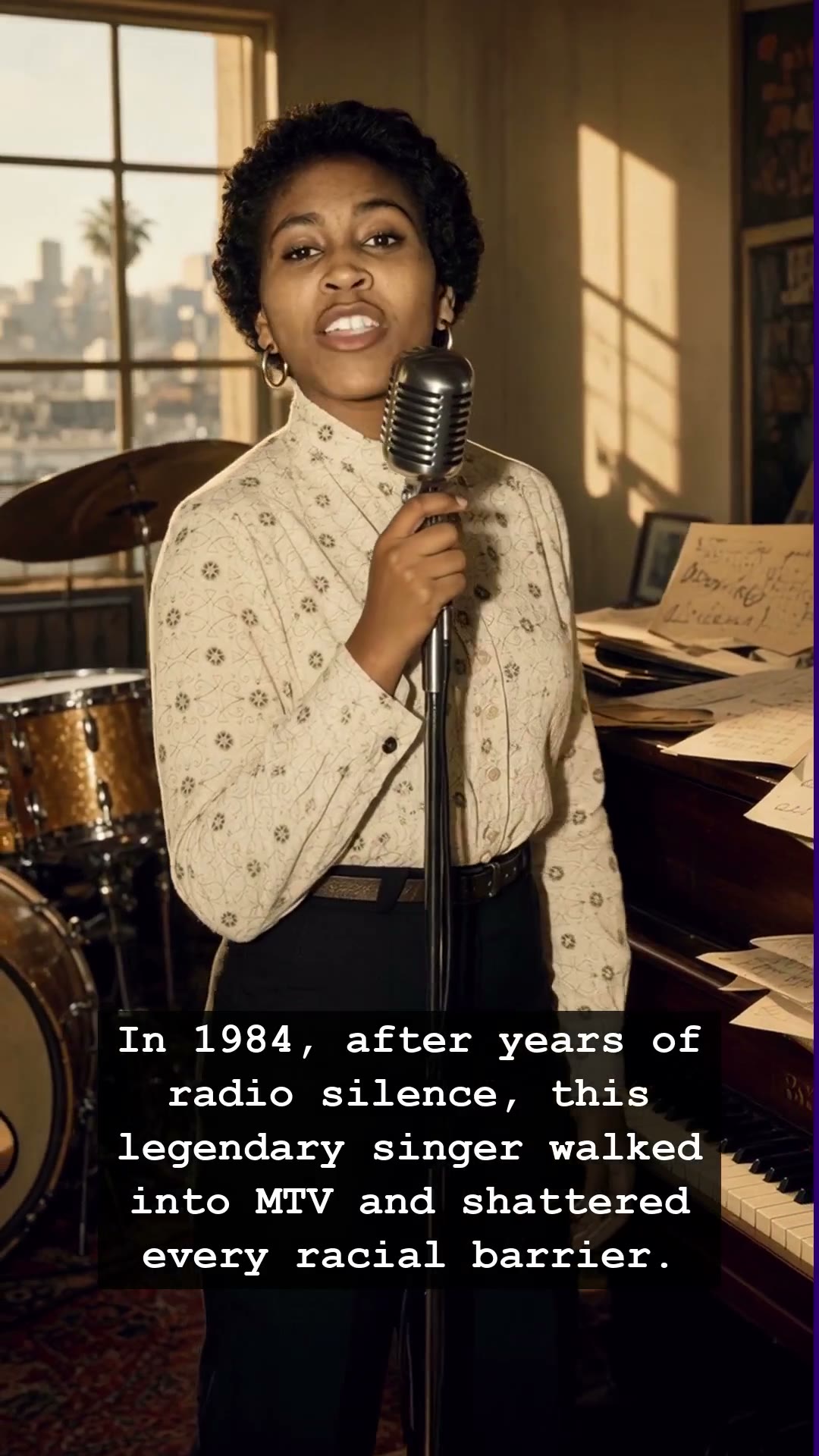
In the early 1980s, the music industry was a closed fortress. MTV, the shiny new toy that dictated the pulse of pop culture, was notoriously hesitant to play music by Black artists. Into this landscape of rigid gatekeeping and cold shoulder policies stepped a woman who had already lived three lifetimes worth of trauma, loss, and resilience. By 1984, the industry had largely written Tina Turner off as a nostalgia act, a relic of the gritty soul and R&B era who had nothing left to offer the neon-soaked, synth-driven world of modern music. They were wrong.
Tina Turner had spent years rebuilding her life after fleeing a marriage defined by unimaginable darkness and abuse. She was forty-four years old, a woman in an industry obsessed with the freshness of youth, and she was entering a studio to record What’s Love Got to Do with It. The track was a moody, mid-tempo pivot away from her high-octane rock roots, but it carried the weary, iron-willed soul of a survivor. When the song hit the airwaves, it didn’t just climb the charts; it detonated them. It became the soundtrack to a new era, forcing the executives at MTV to confront the undeniable power of a woman who refused to stay silent.
The music video for that track remains a landmark moment in television history. Tina Turner walked through those urban streets in her denim jacket and leather skirt, her iconic hair moving with a defiance that captivated the nation. She wasn’t playing the game by the rules of the time; she was rewriting the manual. Her presence on the screen was a shock to the system, shattering the racial barrier that had kept so many incredible artists off the network. It was the moment the industry realized that talent, grit, and genuine human experience were far more compelling than the polished plastic aesthetic of the early MTV years.
Behind the glitz of the mid-80s was a woman carrying the ghosts of the past. Her resurgence wasn’t just a comeback; it was a reclamation of her identity. While the world was dancing to the synthetic beats of the era, Tina Turner reminded everyone what soul music felt like when it was forged in the fire of true life experience. The song reached the top of the Billboard Hot 100, making her the oldest female solo artist to top the chart at the time. It was a victory for every person who had been told their prime had passed, and a thunderous response to those who thought she was finished.
Today, when we look back at the archives of our record collections or catch a glimpse of those flickering, grainy MTV clips, Tina Turner stands out as the ultimate survivor. She transformed her pain into a universal anthem, proving that the scars of the past can indeed become the armor of the future. Her legacy is etched into the very foundation of pop culture. If you ever feel like the world has counted you out, just remember that the legendary queen of rock and roll was once sitting in a room with nothing but her voice, ready to change the world all over again.