
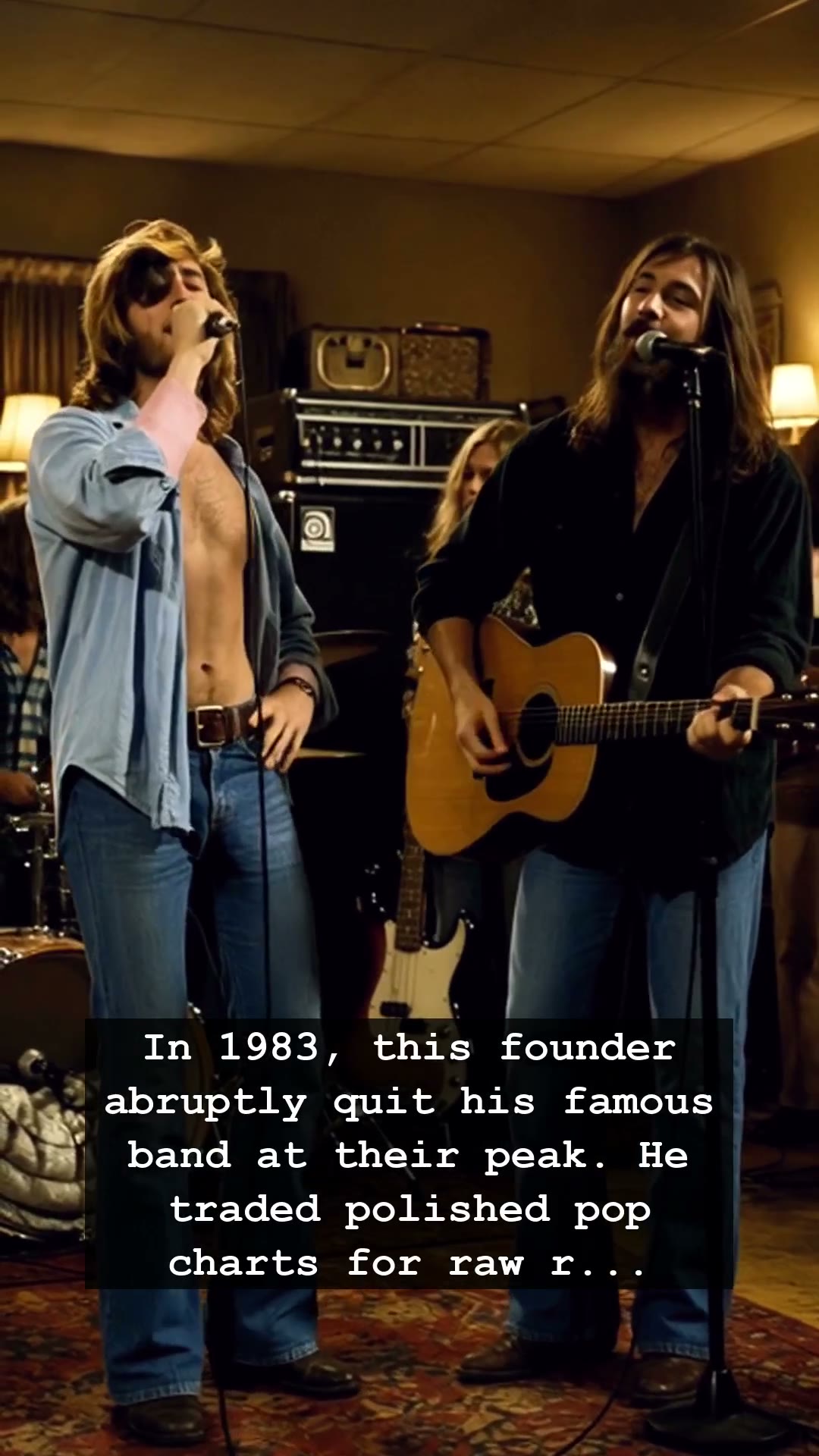
In the neon-soaked haze of the early 1980s, pop music was changing. Synthesizers were replacing soul, and polish was silencing the grit that defined the previous decades. While millions were captivated by the slick, radio-friendly transformation of Dr. Hook, one man felt like he was losing his creative heartbeat. In 1983, the legendary Ray Sawyer, the man behind the eye patch and the face of Dr. Hook, did the unthinkable. He walked away from a band that was riding a massive wave of commercial success, choosing to abandon the glittering charts in favor of his raw, rock and roll roots. It was a dramatic exit that left fans and industry insiders stunned, marking a permanent fracture in a band that had defined a generation’s mood.
Throughout the 1970s, Dr. Hook had evolved from a rowdy, country-rock outfit into a soft-pop powerhouse. Hits like Sharing the Night Together and Sexy Eyes made them staples on the burgeoning MTV scene and in households equipped with the latest technology like the Sony Walkman. But beneath the veneer of fame, the transition away from their gritty, Shel Silverstein-penned humor was taking a toll. Ray Sawyer, whose presence was synonymous with the band’s identity, became increasingly disillusioned. For him, the music was no longer about the wild, unfiltered spirit of the stage; it was about committee-written ballads designed to climb the Billboard charts, a far cry from the raw energy that propelled their early cult status.
This decision wasn’t just a simple business disagreement; it was a deeply personal rebellion against the homogenization of rock music. By 1983, the industry was becoming obsessed with aesthetic perfection and mass-market appeal. Ray Sawyer could see that the organic, bluesy essence of Dr. Hook was being diluted to fit the shiny, corporate mold of the era. Trading in the guaranteed royalties of a chart-topping band for the uncertainty of a solo career was a gamble that few would dare to take. He chose his artistic integrity over the comfort of a paycheck, a move that echoed the sentiments of many artists during that tumultuous decade who felt trapped by their own success.
Looking back at that era, the departure of Ray Sawyer serves as a poignant reminder of the tension between commercial survival and artistic soul. The 1980s was an era of excess, where the image often overshadowed the substance, and for a performer like Sawyer, the compromise was simply too heavy to bear. His choice to leave behind the glam of the mainstream was a testament to his roots, proving that even at the summit of fame, the call of authentic sound remains the most powerful force for a true musician.
Decades later, the story of Ray Sawyer and his abrupt exit from Dr. Hook continues to resonate with fans of classic American music. It captures that specific, bittersweet transition where the raw spirit of the seventies gave way to the synthetic sheen of the eighties. Whenever you hear the unmistakable gravel of his voice on those classic records, remember that there was a human being behind the persona, one who was brave enough to walk away when the music stopped sounding like his own. Some stories in rock history are defined by the bands that stayed together, but perhaps the most human ones are defined by those who finally chose to walk away.