
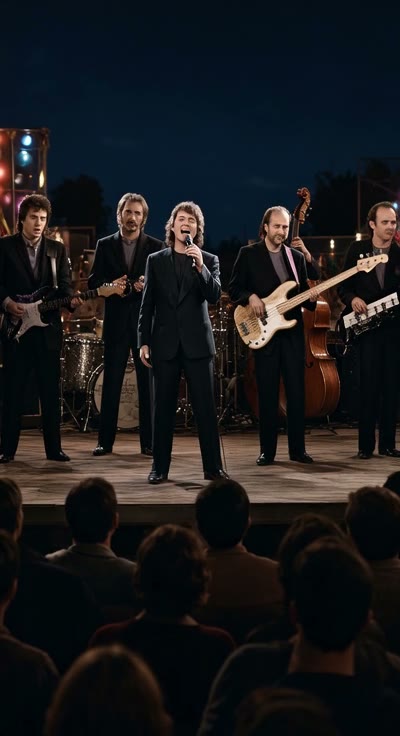
It was 1962, a time when the Jukebox was the heartbeat of every roadside diner and the crackle of a transistor radio felt like a direct line to magic. Before the British Invasion turned the world upside down, four blue-collar guys from New Jersey were grinding out sets in dingy clubs, barely scraping enough change together to keep their dreams alive. They were talented, but they were invisible in a sea of crooners. Then, in a moment of pure studio alchemy, one unmistakable, piercing falsetto cut through the airwaves, changing everything overnight. That song was Sherry, and it launched Frankie Valli and The Four Seasons into a stratosphere they had only ever dared to imagine.
Most people remember the polished suits and the synchronized choreography that defined the group later on, but the reality behind their ascent was gritty and desperate. Frankie Valli and The Four Seasons had been playing under various names, suffering through a string of failures that left them broke and exhausted. The music industry in the early sixties was a ruthless machine, often chewing up artists before they could find their footing. When they walked into the studio to record that fateful track, they were gambling everything on a sound that wasn’t supposed to work. The producers were skeptical, but the moment Frankie Valli hit that high note, the room went silent. It was a sound that didn’t just top the charts; it defined an entire generation of radio listeners.
What made the rise of Frankie Valli and The Four Seasons so compelling was the juxtaposition of their street-tough background and the angelic purity of their harmonies. They were not the pristine idols manufactured by the mainstream labels of the day. They carried the history of the Jersey streets in their voices, a mix of longing and defiance that resonated deeply with the youth of America. That iconic falsetto became a symbol of a brief, golden era before the cultural shifts of the late sixties took hold. Listening to it now, you can almost hear the hum of the city lights and the static of a vintage radio.
Of course, the price of fame was high, and the journey for Frankie Valli was rarely smooth. Behind the glamour of the television appearances and the relentless touring schedule, there were internal conflicts, financial betrayals, and the crushing pressure of maintaining that golden sound under the harsh glare of the spotlight. Yet, their music endured because it was forged in the fires of real, raw human experience. They captured a spirit of optimism that felt both fragile and bulletproof.
Today, the legacy of Frankie Valli and The Four Seasons remains embedded in our cultural DNA. Every time that iconic melody plays, it transports us back to a simpler time of diners, record stores, and the promise of a hit song on the airwaves. Their story is a reminder that even when the odds are stacked against you, one perfect moment of artistic clarity can turn a group of struggling club performers into legends forever. Do you remember where you were when you first heard that sound?