
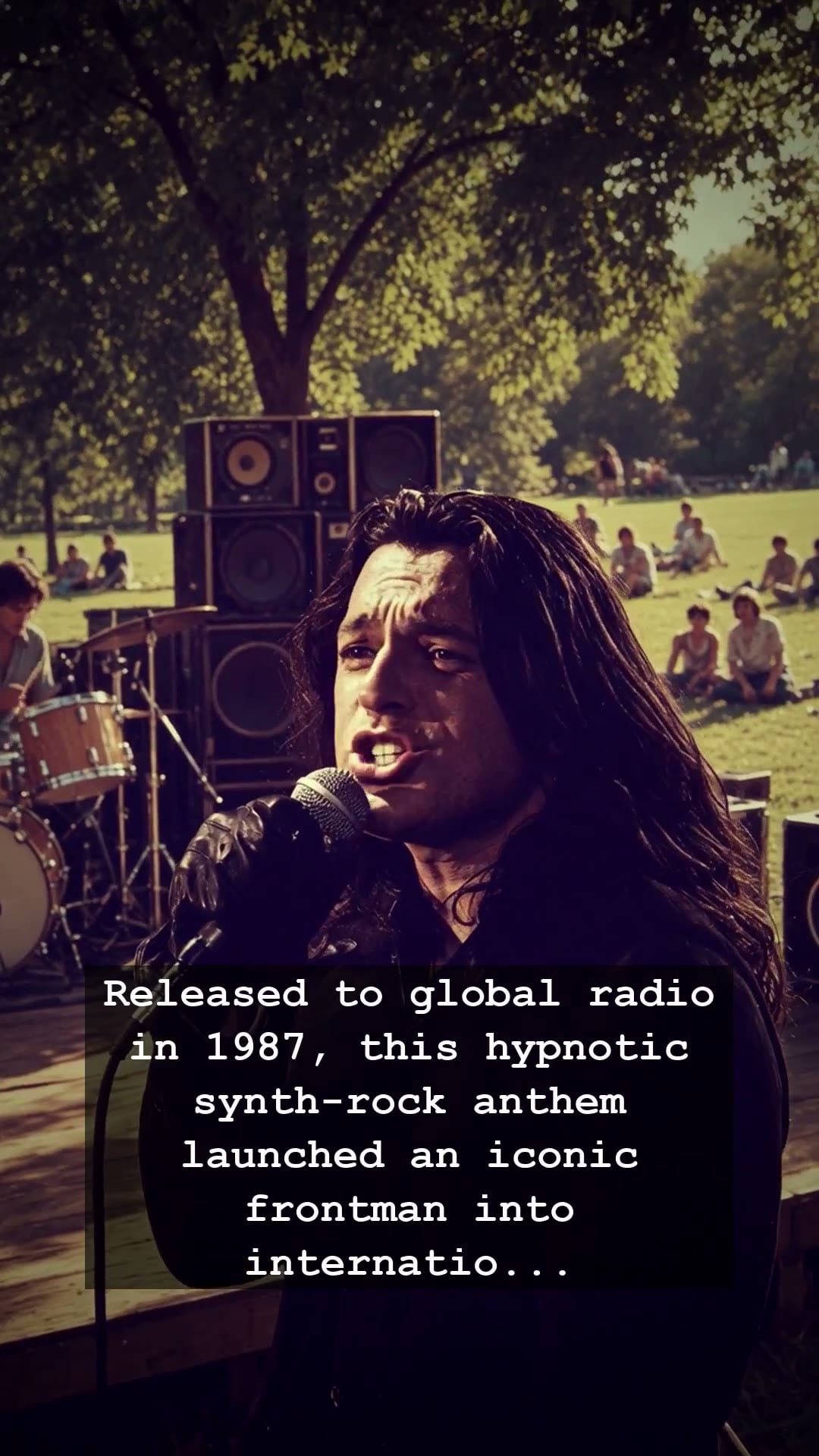
In 1987, the airwaves were dominated by the sleek, hypnotic rhythm of Need You Tonight. It was the definitive synth-rock anthem that propelled INXS from an Australian garage band to global superstardom, turning their frontman, Michael Hutchence, into the ultimate sex symbol of the MTV generation. With his serpentine dance moves and enigmatic charisma, Hutchence became the face of a new era. Yet, as millions of fans swayed to his voice in sold-out arenas, a suffocating darkness was quietly taking root behind the neon-lit facade of his sudden, blinding fame.
To understand the gravity of the INXS phenomenon, one must transport themselves back to a time of hairspray, high-waisted jeans, and the inescapable pulse of FM radio. Hutchence was not just a singer; he was a force of nature who moved with the grace of a panther, commanding the stage as if it were a high-stakes arena of seduction. The band had spent years grinding through the pub circuit before their breakthrough hit, but the transition to international celebrity was jarring. While the world saw a golden god living a dream, Michael Hutchence often felt like a prisoner of the very persona he had meticulously crafted for the spotlight.
Behind the polished videos and the heavy rotation on music television, the pressure began to fracture his reality. The industry demands were relentless, and the blurring lines between his public image and private struggles became a source of constant tension. Friends later described a man who was deeply sensitive, perhaps too fragile for the predatory nature of 1980s fame. The chemical escapism that defined the rock landscape of that decade soon became a double-edged sword for Michael, offering a fleeting reprieve from the crushing weight of public expectations that followed him from London to Los Angeles.
One of the most poignant aspects of the Michael Hutchence story is the profound disconnect between the intoxicating joy of his music and the turbulent isolation he endured. Despite the sold-out tours and the accolades, the man behind the microphone was grappling with deep-seated loneliness. This internal conflict is what makes his legacy so hauntingly resonant today. Every time that iconic opening guitar riff of their biggest hit plays, listeners are reminded not just of a great musical moment, but of a brilliant soul who was ultimately consumed by the shadows of his own stardom.
Decades after his tragic departure, the mythos surrounding Michael Hutchence continues to fascinate. He remains a symbol of the beauty and the brutality of the rock star archetype. His story serves as a somber reminder that the brightest stars often cast the darkest shadows. As we look back on the golden age of synth-pop and rock, we do not just celebrate the anthems that defined a generation; we mourn the complex, enigmatic artist who gave us everything, only to lose himself in the process. His music survives as a testament to a talent that was as timeless as it was tragic.