
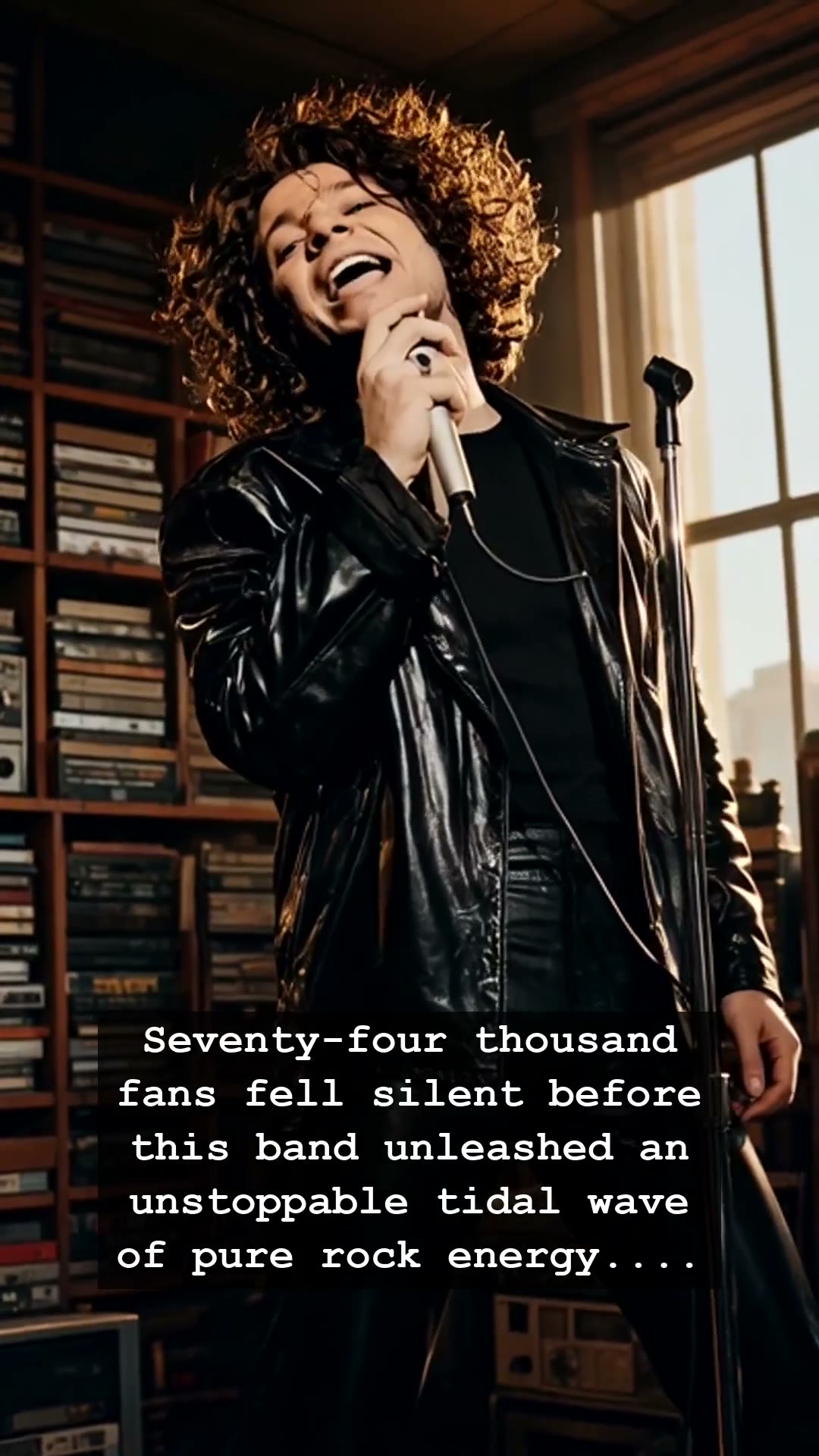
Seventy-four thousand people stood in the heart of London, and for a heart-stopping moment, the world simply held its breath. It was July 1991, an era when the music industry was caught between the waning glow of neon-drenched stadium rock and the impending grunge revolution. At Wembley Stadium, INXS was not just performing; they were orchestrating a spiritual experience. As Michael Hutchence stepped toward the microphone, the silence was heavy, thick with anticipation. Then, with the strike of a single chord, the silence shattered. An unstoppable tidal wave of pure, unadulterated rock energy surged through the venue, marking what many historians consider one of the most explosive live performances in the history of the twentieth century.
To understand the magic of INXS, one must transport themselves back to the age of the Walkman and the MTV dominance that defined a generation. INXS had spent the late eighties clawing their way from the pub circuits of Australia to the absolute zenith of international stardom. By the time they took the stage at Wembley for their Live Baby Live concert, they were a polished, precision-engineered machine. Michael Hutchence, with his smoldering gaze and feline grace, moved with the confidence of a man who knew exactly how to command a crowd. He was more than a lead singer; he was the center of a magnetic field, pulling every soul in the stadium into his orbit.
Behind the glamour and the stadium lights, however, lay a narrative of immense pressure. The band had spent years on the road, fueling themselves on the adrenaline of fame and the demanding schedules of global tours. The music they created during this period was a sophisticated blend of dance-rock, funk, and soulful charisma. It resonated because it felt dangerous yet accessible, a hallmark of the transition between the glitz of the mid-eighties and the raw authenticity that would soon overtake the airwaves. Watching the archived footage of this show today, you can see the sweat and the sheer physical effort; this was before the era of backing tracks and digital perfection. It was raw, it was loud, and it was undeniably human.
What makes the INXS legacy endure is that specific brand of frontman magic that Michael Hutchence possessed. He carried the spirit of the iconic rock star, balancing vulnerability with a swagger that felt like a bridge between Jim Morrison and the modern arena rocker. The Wembley show remains a time capsule of that transition, a snapshot of a band at the absolute pinnacle of their creative and commercial powers. It was an era where seventy-four thousand fans could share a singular, electric heartbeat, unaware of the shadows that would eventually creep into the story of the nineties.
Even decades later, the power of those opening chords continues to spark a fire in anyone who values the legacy of stadium rock. It serves as a reminder of a time when the concert experience was the ultimate communal ritual, long before the distractions of modern connectivity. Whether you were there in the stands or discovering the performance on screen years later, the energy is infectious. Do you still remember where you were when the world turned its eyes to Wembley and INXS proved that rock and roll was the only language that mattered?