
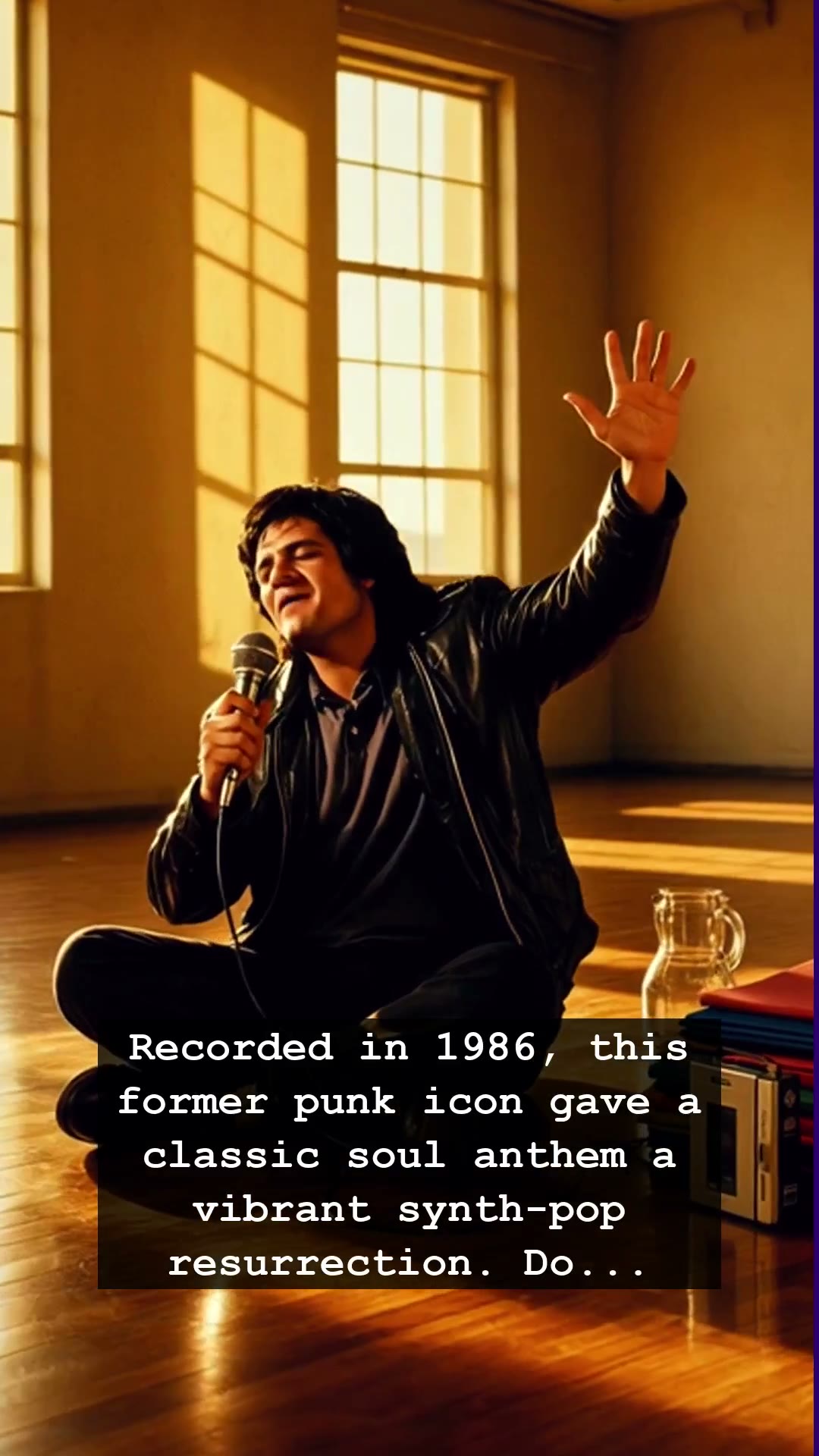
The year was 1986, and the airwaves were thick with the neon pulse of synthesizers and the polished, plastic sheen of the MTV generation. Somewhere between the gritty remnants of the late-seventies punk scene and the looming commercial excess of the decade, Belinda Carlisle stood at a crossroads. Many remembered her as the fire-breathing lead singer of The Go-Go’s, a band that had been torn apart by internal friction, substance abuse, and the exhausting weight of being the first all-female band to write their own songs and top the charts. Yet, as she stepped into the studio for her debut solo project, she wasn’t looking back at the mosh pits of the Sunset Strip. She was looking for a resurrection.
Belinda Carlisle had a vision that transcended her punk roots. She wanted to bridge the gap between raw, soulful vulnerability and the pristine, digital soundscapes that were dominating Studio 54 playlists and suburban Walkman cassettes. When she chose to record Heaven Is a Place on Earth, she wasn’t just picking a track; she was orchestrating a massive sonic pivot. The song was a classic anthem in the making, but in the hands of Carlisle, it became a vibrant synth-pop masterpiece that captured the yearning of a generation tired of the darkness and ready for something anthemic and bright.
Behind the polish of the 1986 production lay a woman fighting for her artistic identity after the messy implosion of her previous life. The transition from the underground punk scene to the glitzy world of high-budget music videos was far from seamless. Belinda Carlisle faced immense pressure to sanitize her image for the masses, yet she injected a rare, authentic emotional grit into her vocal performance that many of her synth-pop contemporaries lacked. It was this specific contrast—the soul of a rebel singing a gospel-tinged pop song—that allowed the music to resonate so deeply with listeners across the globe.
The music video, directed by a young Diane Keaton, perfectly encapsulated that specific, dreamlike aesthetic of the late eighties. There was something undeniably cinematic and slightly surreal about it, reflecting the era’s obsession with perfection and artifice. It remains a time capsule of a period when music felt larger than life, a time when a single song could unify a crowd from a smoky dive bar to an arena stadium. For Belinda Carlisle, it was the moment she stepped out from the shadow of her former band and claimed her own throne in the pop pantheon.
Today, listening to those shimmering keyboards and that thunderous, euphoric chorus feels like stepping back into a world where everything felt infinite. It is a testament to how an artist can shed their skin without losing their soul. Belinda Carlisle reminds us that legends aren’t just defined by where they start, but by how they reinvent themselves when the spotlight shifts. Does the melody still take you back to those neon-soaked nights? It certainly still echoes for us.