
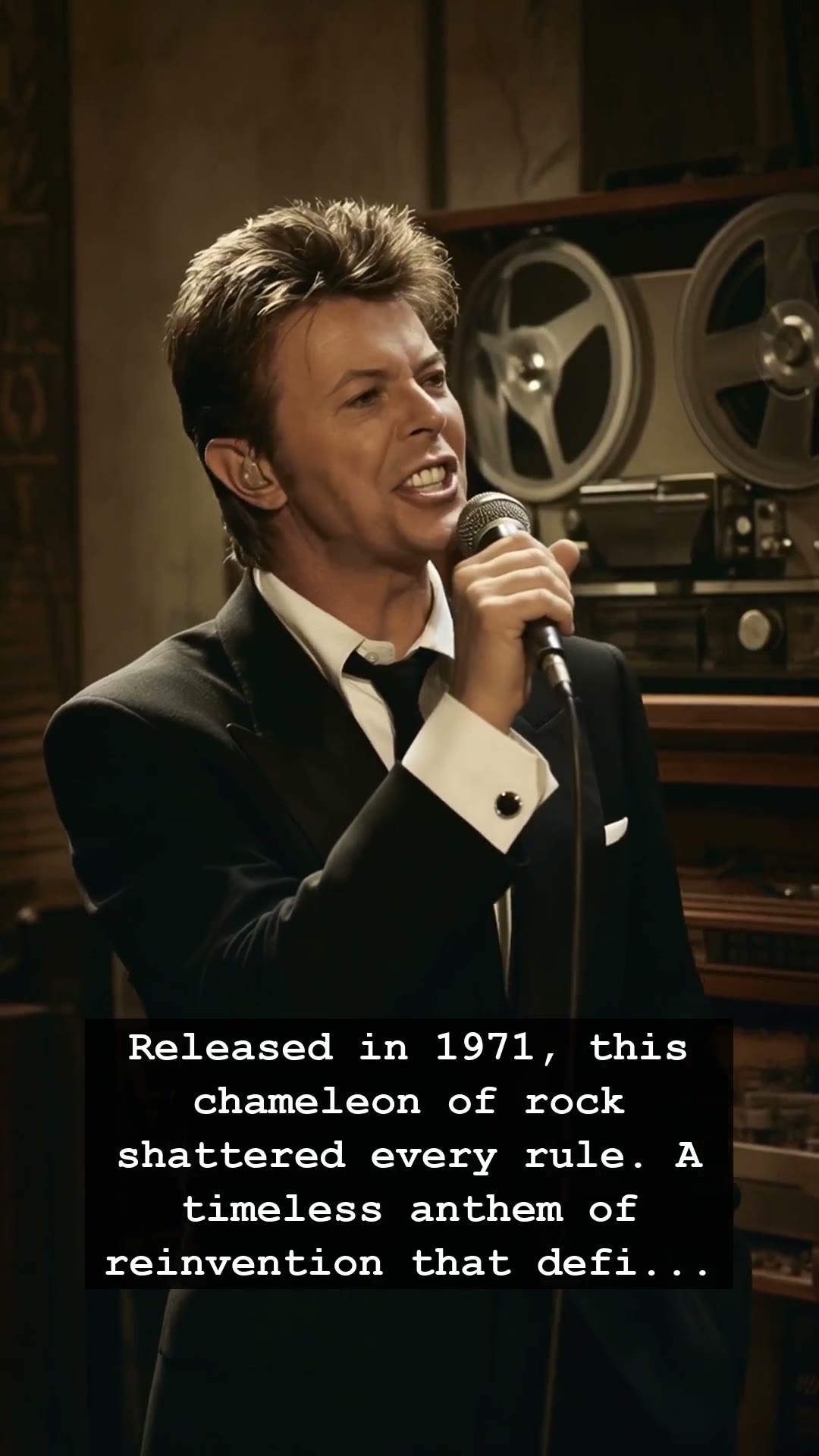
It started with a single, lonely piano chord that seemed to hang in the stale air of a Trident Studio session like a question mark. In 1971, the music industry was comfortable, predictable, and frankly, bored. Then came David Bowie. With the release of Changes, he didn’t just write a song; he penned a manifesto for the restless, the weird, and the misfits who felt like they were living on Mars. While his peers were busy perfecting the blues-rock riffs of the era, David Bowie was already planning his next life, shedding his skin like a lizard in the sun, and inviting us all to watch the transformation.
To understand the gravity of that moment, you have to remember the landscape. We were living in a world of jukeboxes and flickering black-and-white television sets, still shaking off the remnants of the psychedelic sixties. The cultural shift was palpable, a tension between the old guard and the new freaks waiting in the wings. David Bowie stepped into this void with a grace that bordered on the alien. He was the ultimate chameleon, a man who refused to be defined by a single genre, a single look, or even a single identity. When he sang about facing the strange, he wasn’t just talking about a career shift; he was speaking to a generation that felt the world moving beneath their feet.
Behind the curtains, the drama was just as intense. David Bowie was struggling with the weight of expectation and the crushing isolation that comes with being a visionary. The studio sessions for the album were fraught with a nervous, electric energy. He was constantly clashing with producers and collaborators who wanted him to stay grounded in the folk-rock sound that had brought him early, modest success. But David Bowie heard something else—a sonic landscape that blended theatrical cabaret, sharp pop sensibilities, and a dash of sci-fi melancholy. He pushed through the resistance, driven by an insatiable hunger to evolve.
Think back to the first time you heard that saxophone break on the record. It felt like a crack in the glass ceiling of rock and roll. It wasn’t just a sound; it was an invitation to let go of who you were yesterday. For those of us who grew up with the static of the radio and the tactile click of a Walkman, David Bowie was more than a musician. He was our gateway to a wider, more dangerous, and infinitely more beautiful world. He taught us that change was not an ending, but a prerequisite for survival in a world obsessed with staying the same.
Decades later, the echo of his voice still haunts the halls of modern pop, yet nobody has ever truly replicated his alchemy. Whether he was channeling Ziggy Stardust or slipping into the persona of the Thin White Duke, David Bowie remained the most honest liar in music history. He didn’t just define an era of classic rock; he created a blueprint for every artist brave enough to reinvent themselves. As we look back through the dust of the seventies, his influence remains as sharp as his cheekbones and as timeless as his melodies. Take a moment today to drop the needle on that vinyl and hear the man who showed us how to embrace the changes.