
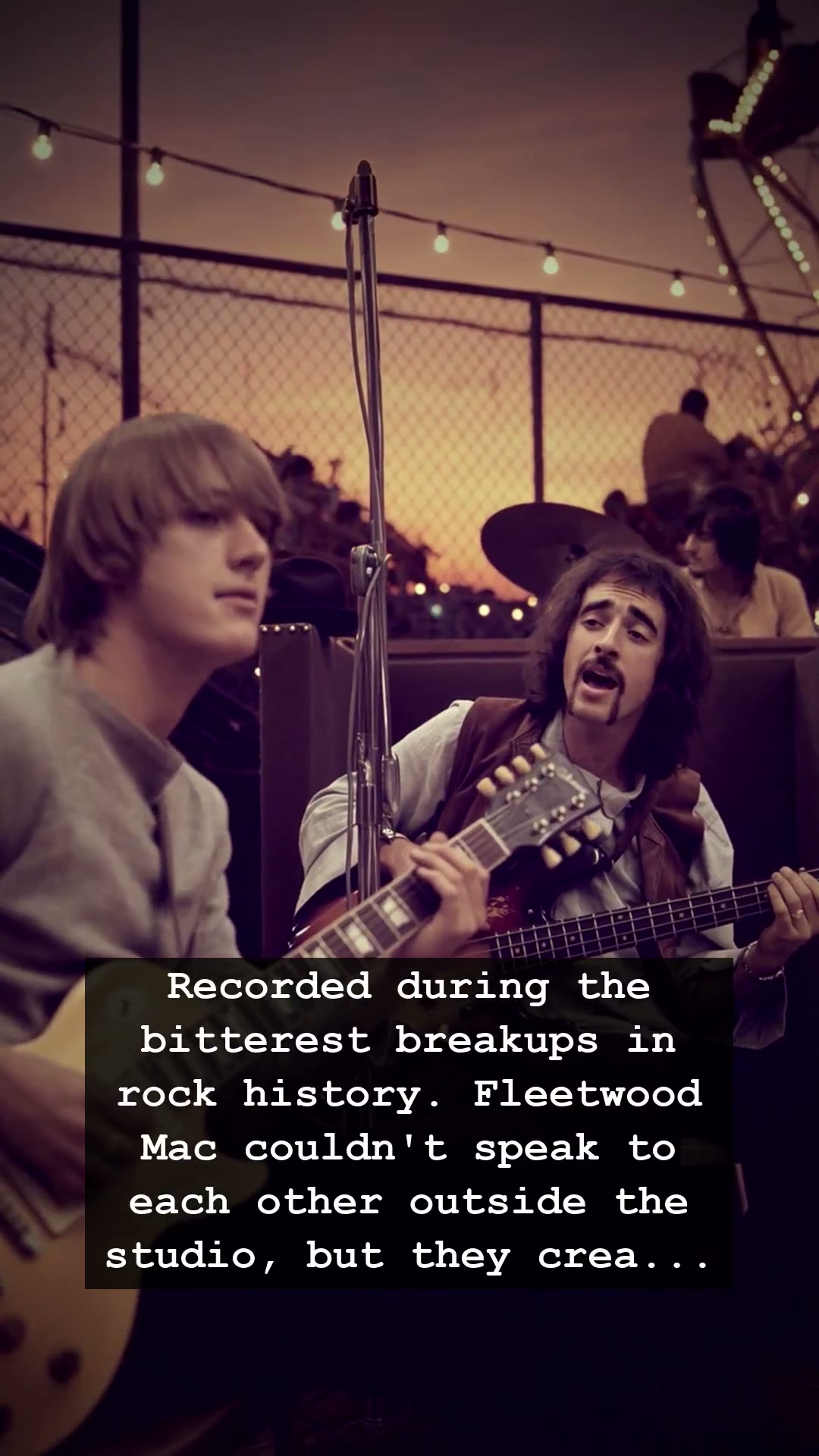
It was 1977, and the air inside the Record Plant studio in Sausalito was so thick with resentment you could practically cut it with a guitar pick. Fleetwood Mac was at the peak of their creative powers, but behind the velvet curtains of fame, the band was a ticking time bomb. Couples were splitting, affairs were being exposed, and the members were literally refusing to speak to one another outside of the recording booth. It was emotional warfare disguised as pop-rock perfection, yet from this ashes-and-dust environment emerged one of the greatest albums in history: Rumours.
Imagine the scene: Lindsey Buckingham and Stevie Nicks, once inseparable, were now barely acknowledging each other’s existence, channeling their venom into biting lyrics that served as public ultimatums. Meanwhile, Christine and John McVie were navigating a divorce that turned their professional relationship into a cold, clinical business arrangement. Mick Fleetwood was dealing with his own collapsing marriage. They were all trapped in the high-pressure cooker of 1970s rock stardom, fueled by long nights, fading disco dreams, and an insatiable desire to be heard. They weren’t just making music; they were documenting the agonizing process of falling out of love in real-time.
The centerpiece of this tension was the track The Chain, a masterpiece of musical defiance that stands as the only song credited to all five members of the band. When you listen to those iconic bass lines and the haunting harmonies today, you are hearing the sound of five people refusing to let their legacy crumble. They didn’t communicate with words, so they communicated through chord progressions and harmonies that cut straight to the bone. It is perhaps the most honest recording in rock history because it lacks the luxury of pretense. Every vocal take was a cry for help or a snarl of independence.
This era was defined by the transition from the psychedelic rock of the previous decade to the polished, confessional brilliance of the late seventies. While the world outside was transitioning from the fading glow of the Woodstock generation to the neon glare of the studio 54 disco scene, Fleetwood Mac remained huddled in the studio. They were forging a sound that would eventually dominate the FM radio waves and the portable cassette players of a generation. Their story resonates because it is fundamentally human; it is the realization that even when our worlds fall apart, we can build something enduring from the wreckage.
Decades later, the allure of Fleetwood Mac remains untarnished by time. Their ability to turn personal tragedy into melodic gold provided a soundtrack for the heartbreak of millions. As we look back at the golden age of rock, we see that the drama wasn’t just a side effect of their success—it was the very engine of it. If you ever feel the weight of a broken heart, put on the record, turn the volume up, and listen closely to the ghost of a love story that simply refused to die.