
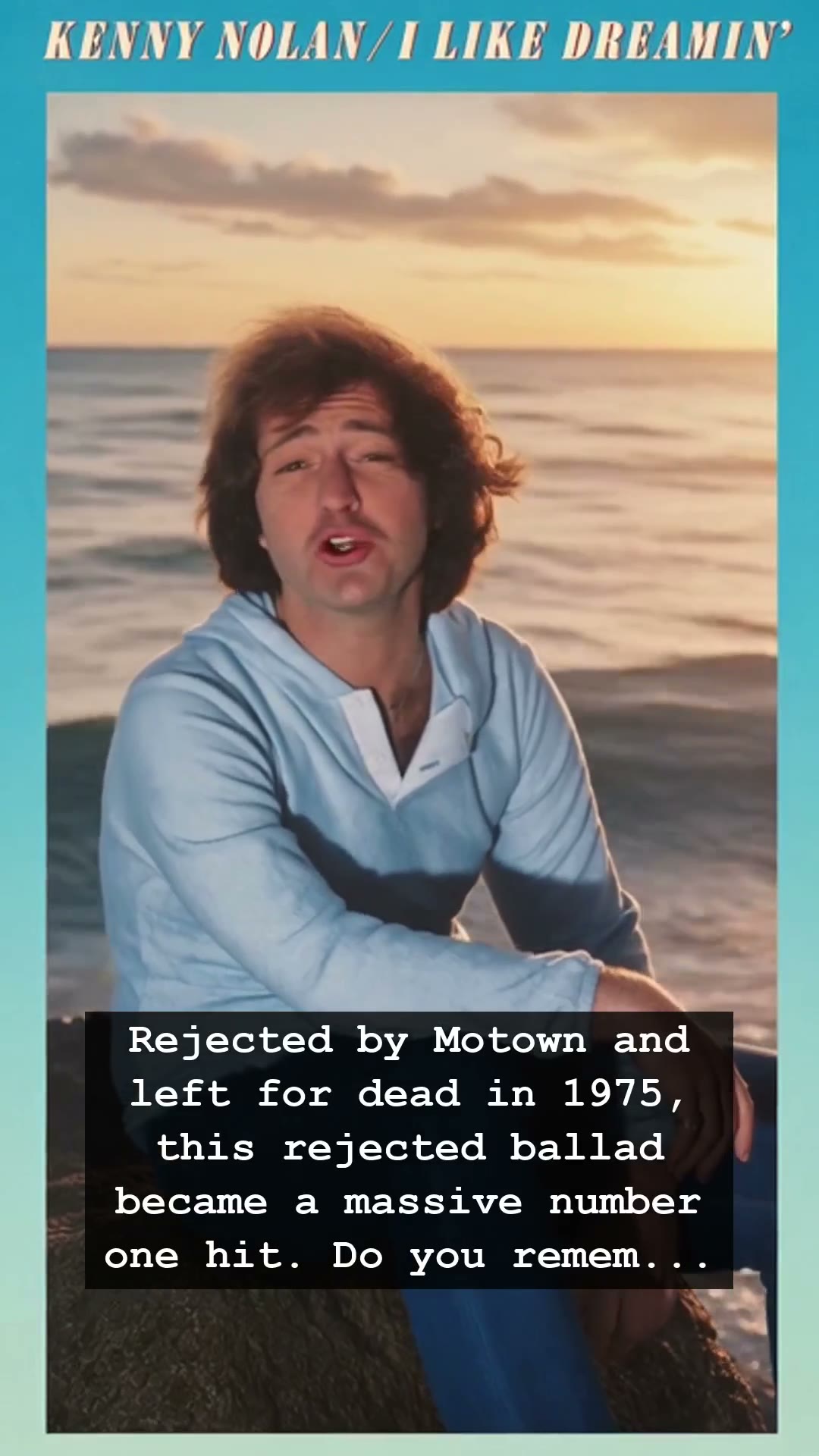
In 1975, the music industry was a cutthroat landscape defined by the neon pulse of Disco and the corporate machinery of major labels. Frankie Valli, the golden-voiced icon who had defined the sound of the sixties with The Four Seasons, found himself staring at a professional abyss. His signature falsetto, once the toast of the nation, seemed to have lost its luster in the eyes of industry tastemakers. When he walked into the hallowed halls of Motown with a new ballad, the rejection was swift and stinging. The executives listened, shrugged, and ultimately left the track to collect dust on a shelf, effectively marking what they thought was the end of a legendary career. It was a cold, calculated dismissal that almost consigned a masterpiece to oblivion.
Yet, the spirit of Frankie Valli was never one to yield to the whims of gatekeepers. He knew there was magic in that melody, even as the world around him shifted toward the synthesized beats of the burgeoning era. While the public was busy gravitating toward the excess of Studio 54 or the rhythmic pulse of the radio, Frankie Valli harbored a desperate, quiet persistence. He believed in the emotional core of the song, a haunting piece of storytelling that refused to be silenced by a boardroom decision. It was a classic struggle of an artist against the machinery of fame, where the personal conviction of a seasoned veteran clashed with the cold, bottom-line logic of label executives.
This forgotten ballad, which seemed destined to vanish into the archives, was eventually pulled from the shadows. When it finally hit the airwaves, it didn’t just survive; it thrived. The song shattered expectations, climbing the charts with a momentum that silenced every doubter in the industry. It was more than just a comeback; it was a triumphant reclaiming of a legacy that many had prematurely written off. The song skyrocketed to number one, proving that Frankie Valli still held the secret key to the hearts of the American public, regardless of changing trends.
Looking back, the story of this anthem serves as a poignant reminder of the grit required to survive the golden age of American music. It was a time when a single song could define a year and a single voice could command a generation. Frankie Valli navigated the treacherous waters of 1975 with the grace of a survivor, turning a moment of rejection into his greatest professional resurgence. His ability to connect with listeners on a deeply visceral level remains a testament to the timeless power of authentic artistry over corporate trends.
Decades later, the resonance of that number one hit remains undiminished. It transports us back to the era of the Jukebox and the spinning vinyl, reminding us of a time when music felt personal, fragile, and undeniably alive. As we revisit the catalog of Frankie Valli, we are not just listening to a track; we are hearing the heartbeat of a legend who refused to let his story end on a shelf. Do you remember the first time those opening notes captured your soul?