
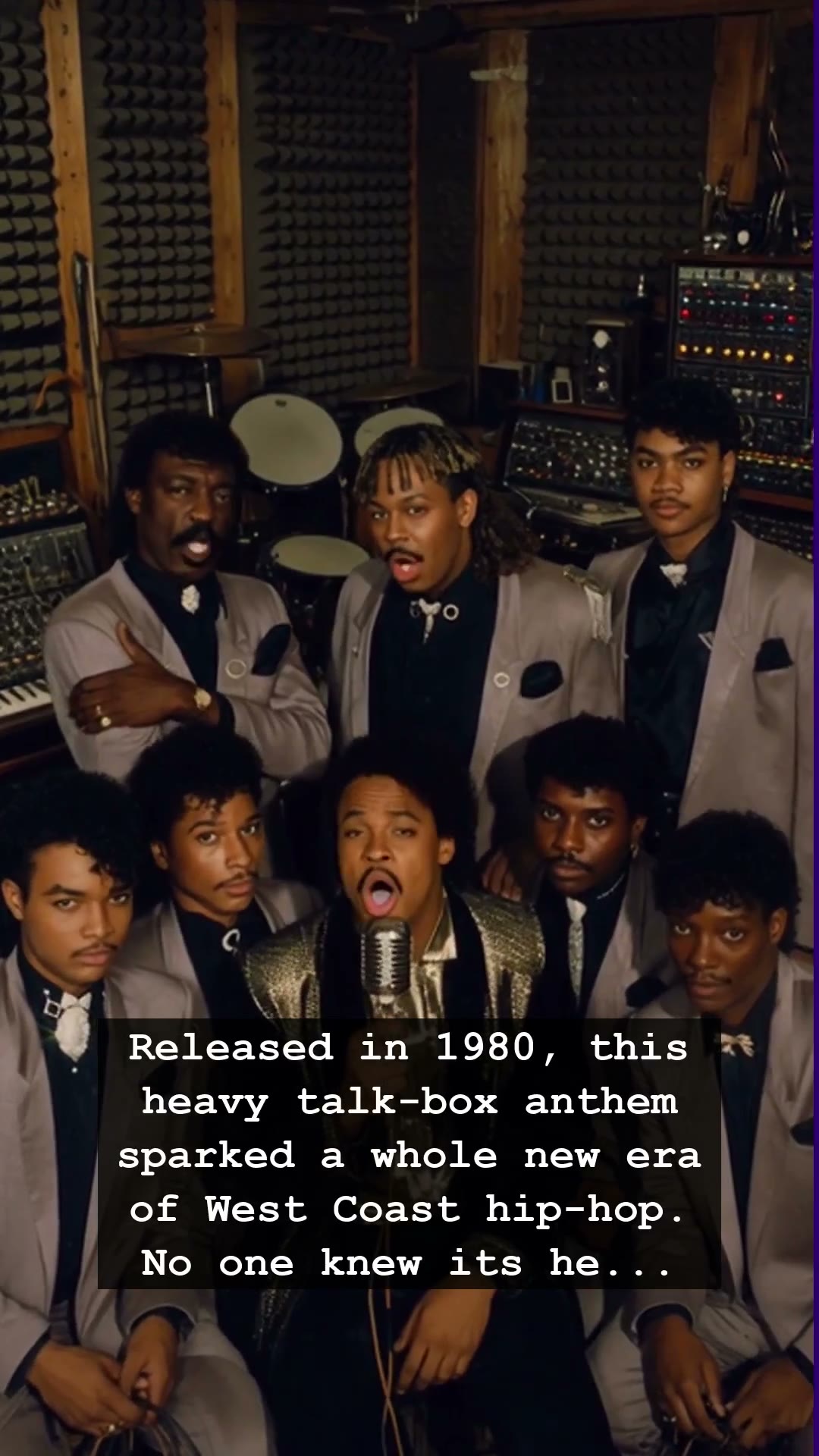
It was 1980, and the airwaves were dominated by the fading echoes of disco as a new, metallic, and utterly hypnotic sound began to pierce through the static of the local Jukebox. The track was More Bounce to the Ounce by the Zapp band. With a flick of a switch and the strange, mechanical groan of a talk box, the band led by Roger Troutman did not just release a song; they detonated a creative bomb that would dismantle the barriers of rhythm and soul. Most listeners at the time were baffled by the voice, which sounded like a synthesizer flirting with a human soul, but for those in the inner circles of California, it was the sound of the future.
At the heart of the Zapp band was the raw, undeniable genius of the Troutman brothers. While they operated within the framework of late seventies funk, they pushed boundaries that most bands feared to touch. The talk box, an effect that had been around for years, was transformed by Roger Troutman into an instrument of unparalleled emotional depth. It was no longer a gimmick; it was the backbone of a heavy, rolling bassline that seemed to vibrate in the very concrete of the West Coast streets. They were crafting a sonic blueprint, though nobody knew that this specific, funky groove would eventually become the DNA of an entire subculture.
Behind the curtain of fame lay the reality of the Zapp band experience: an intense, high-pressure environment defined by perfectionism and the shifting tides of the music industry. As they toured, the band witnessed firsthand how their music bled into the burgeoning rap scene. It was a symbiotic relationship. As hip-hop began its rise from the underground, producers were obsessed with the deep, clean, and aggressive basslines that Zapp provided. From the high-energy clubs to the low-riding cars cruising down Sunset Boulevard, that specific frequency became the anthem of a new generation. They were the silent architects of the G-funk era.
Think back to the golden age of the boombox and the Walkman. You could not walk through a neighborhood in Los Angeles without hearing the distinct, modulated chatter of a talk box spilling from a window. It was the sound of the street, the sound of the party, and the sound of innovation. The Zapp band had successfully married the soulful grit of Southern roots with the cold, precise technology of the future, creating something that felt dangerous and exciting all at once.
Today, decades after its release, that bassline remains a touchstone for producers and fans of authentic sound. It reminds us of a time when analog gear and raw human sweat could change the course of pop culture. The Zapp band didn’t just record a song; they recorded a permanent vibration in the history of American music that refuses to fade away, continuing to influence every generation that discovers the magic of that talk box rhythm.