
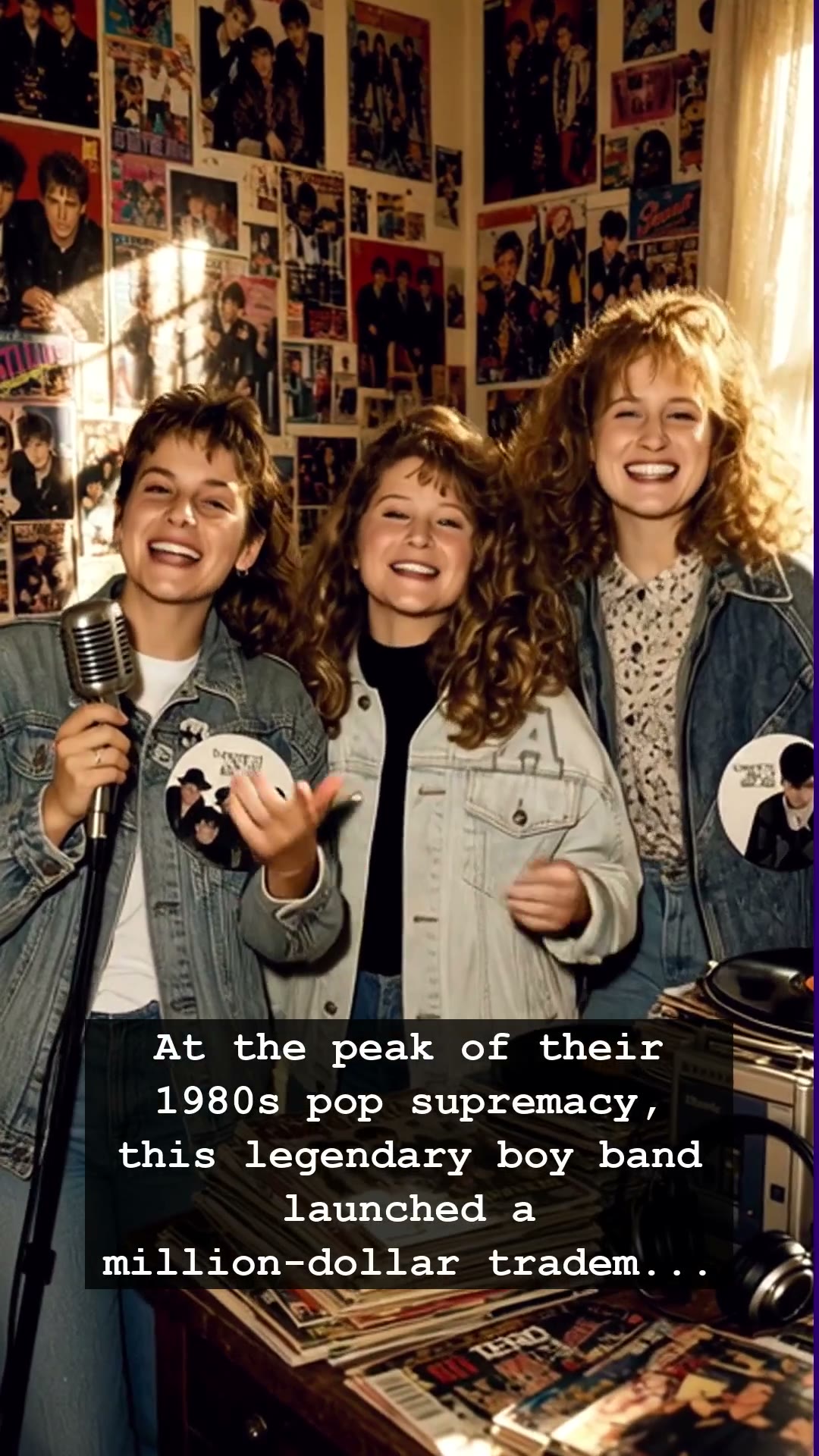
It was 1989, and the air was thick with the scent of hairspray and the electric hum of the nascent MTV generation. Across the globe, teenage bedrooms were plastered with posters of five guys from Boston who had turned the music industry on its head. New Kids on the Block were more than just a boy band; they were a cultural phenomenon that transformed the way we consumed music. But beneath the catchy choruses and the screaming crowds, a ruthless battle for ownership was brewing. While their fans were busy trading buttons and t-shirts, the group was quietly weaponizing their own name, launching a million-dollar trademark war that would forever change how pop stars protected their legacies.
At the height of their supremacy, New Kids on the Block were essentially a printing press for money. Everything they touched—from lunchboxes to bedsheets—bore their mark. This was the era of the Walkman and the mall culture, where your favorite band was not just something you heard on the radio; it was an identity you wore. However, the sheer scale of their success invited copycats and legal chaos. The management team behind the New Kids on the Block brand realized that if they didn’t control every facet of their image, the empire would crumble under the weight of unauthorized merchandise. It was a cold, calculated move in a business that was often governed by chaotic whims.
The conflict was as dramatic as any backstage rock opera. Lawsuits flew, cease-and-desist letters became a daily routine, and the legal teams became as prominent as the songwriters. Critics often dismissed the group as a manufactured product of the studio system, yet the grit they showed in defending their intellectual property proved they were anything but passive. They saw the value of their brand before the rest of the music industry truly understood the power of multi-platform merchandising. They weren’t just singing ‘I’ll Be Loving You (Forever)’; they were fighting to own it, quite literally, against anyone who dared to profit from their rising star.
Looking back, the New Kids on the Block were the architects of the modern celebrity business model. They navigated the transition from the analog age into the high-octane commercialism of the late 80s with a mix of luck and steel-eyed ambition. The stress of constant tours, the pressure to maintain their polished image, and the relentless legal battles took a hidden toll on the members. Behind the gleaming smiles and matching outfits, the dark side of sudden fame was beginning to manifest, leaving scars that would only surface years later.
Today, the legacy of New Kids on the Block remains a fascinating case study of the late 20th-century pop explosion. They were the bridge between the old-school teen idols and the hyper-marketed giants of today. Every time you see a modern artist launch a global lifestyle brand, you are witnessing the ripples of the war they started. Do you remember the first time you bought a piece of their merchandise, unaware that you were holding a fragment of music history?