
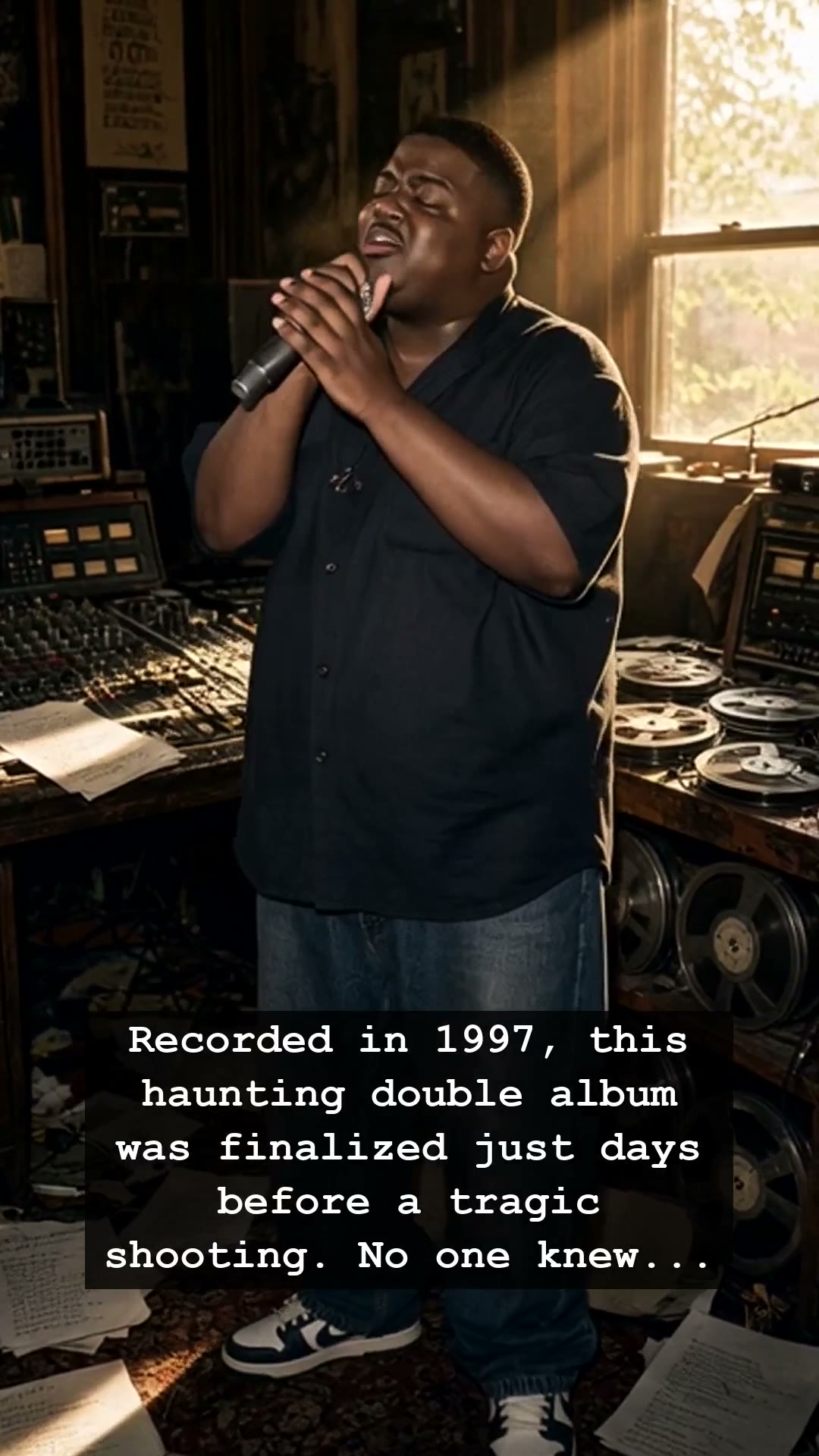
In the chilly early months of 1997, the air in Los Angeles crackled with an unspoken, terrifying tension. For The Notorious B.I.G., known to the world as Biggie Smalls, the atmosphere felt like the calm before a catastrophic storm. He was putting the finishing touches on his ambitious double album, Life After Death, a project that was designed to cement his legacy as the king of New York hip-hop. Yet, as he sat in the studio, the irony of the title began to weigh heavily on everyone around him. Little did the world know that these lyrics were not just bars on a beat; they were an eerie, apocalyptic prophecy written by a man walking into his own shadow.
Only days after the master tapes were sealed, the music industry was shattered. A drive-by shooting in the heart of Los Angeles silenced the voice of a generation, turning a rising star into an eternal myth. The tragedy felt surreal, a cinematic end to a life that had moved at breakneck speed. When the album finally hit the shelves, fans were not just listening to tracks like Hypnotize or Mo Money Mo Problems; they were listening to a ghostly diary. The Notorious B.I.G. had captured the essence of 90s urban survival, blending soulful samples with gritty street wisdom, all while the dark specter of the East Coast-West Coast rivalry loomed over every beat.
Looking back, the cultural impact of The Notorious B.I.G. remains unparalleled. He was a master of flow, a storyteller who could transport listeners from the struggle of the Brooklyn streets to the luxury of the top floor in seconds. His ability to navigate the complex social landscape of the era—a time defined by the rise of MTV and the encroaching influence of gangsta rap—was nothing short of genius. Every song on that final project serves as a time capsule, preserving the swagger and the vulnerability of a man who knew he was destined for greatness, even if the price of that greatness was his very soul.
There is a specific, haunting quality to Life After Death that resonates deeply even decades later. Perhaps it is the knowledge of how the story ends that makes the triumph in his delivery feel so tragic. Every mention of death, royalty, and the fast life feels like a premonition that the listener now understands with the clarity of hindsight. The Notorious B.I.G. was not just making an album; he was documenting his final transition into legend status. It was the closing chapter of a brief, brilliant career that changed the trajectory of hip-hop forever.
Today, we look back at the era of Biggie Smalls not just as a time of chart-topping hits, but as a period of profound artistic exploration and heartbreaking reality. The Notorious B.I.G. left us with more than just music; he left us with a mirror to the complexities of his world. As we continue to spin those classic records and remember the man behind the charisma, we find that his voice, though silenced, never truly stopped speaking to us.