
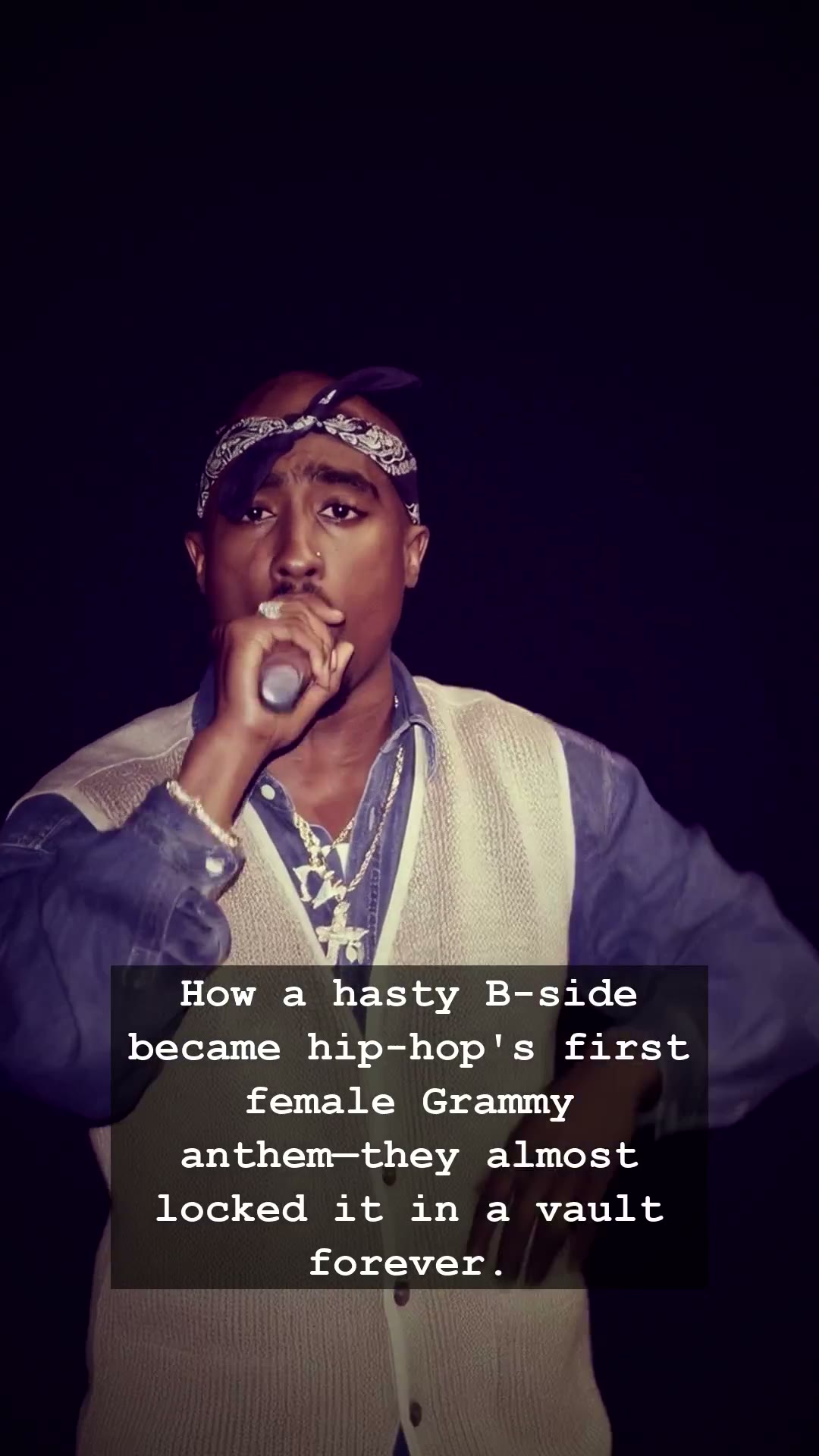
It was 1986, a time when the rhythmic pulse of the street was dominated by leather jackets, thick gold chains, and a male-centric hip-hop hierarchy that rarely made room for women. Inside the pressure-cooker environment of a recording studio, a track was being stitched together in a frantic, last-minute haze. Salt-N-Pepa, the duo that would soon redefine the cultural landscape, was staring at a B-side that the suits in the record label offices deemed entirely unworthy of a spotlight. They wanted to lock it in a vault, label it a failure, and move on. Little did they know, they were sitting on the very song that would break the glass ceiling for female rappers forever.
The song was Push It, a track that would eventually pulsate through every boombox and Walkman across America, becoming the first hip-hop song by female artists to be nominated for a Grammy. But in those early days, the magic wasn’t immediately apparent to the gatekeepers of the music industry. The production was raw, built on the fly, and infused with an infectious, synth-driven energy that felt like a rebellion against the gritty status quo of the mid-eighties. Salt-N-Pepa had an undeniable chemistry, a blend of charisma and sharp, lyrical wit that demanded to be heard. Yet, industry executives viewed their sound with skepticism, struggling to reconcile the duo’s commercial potential with the rigid genre boxes of the era.
The real turning point came not from a boardroom decision, but from the raw power of the underground radio scene. A fearless radio remix, infused with a tempo that made it impossible to stay seated, began to spread like wildfire. It bypassed the label’s gatekeepers and went straight to the people. Once the track hit the airwaves, the momentum was unstoppable. The song became a cultural phenomenon, a staple of every block party and high-school dance, proving that Salt-N-Pepa were not just a passing trend, but architects of a new sonic movement. They turned a hurried afterthought into an anthem that dominated the airwaves, signaling a massive shift in how hip-hop was produced and consumed.
Looking back, the story of Salt-N-Pepa serves as a reminder of how close iconic moments come to disappearing into the ether of history. That era of music was defined by such high-stakes risks, where a single B-side could either vanish or change the trajectory of an entire genre. Salt-N-Pepa didn’t just survive the cutthroat environment of the music industry; they thrived, wielding their microphones like scepters. They proved that authenticity and sheer talent could outmaneuver even the most cynical record label executives.
Today, the legacy of Salt-N-Pepa remains firmly etched in the history of American music. Their rise is a testament to the fact that greatness is rarely found in the polished, pre-approved marketing plans, but rather in the spontaneous, gritty, and often overlooked corners of the studio. As we revisit the sound of the late eighties, it is clear that they were the pioneers who paved the road for every woman in hip-hop who followed. When you listen to those iconic opening synths today, you aren’t just hearing a hit song; you are hearing the sound of history being fought for, reclaimed, and finally, celebrated.