
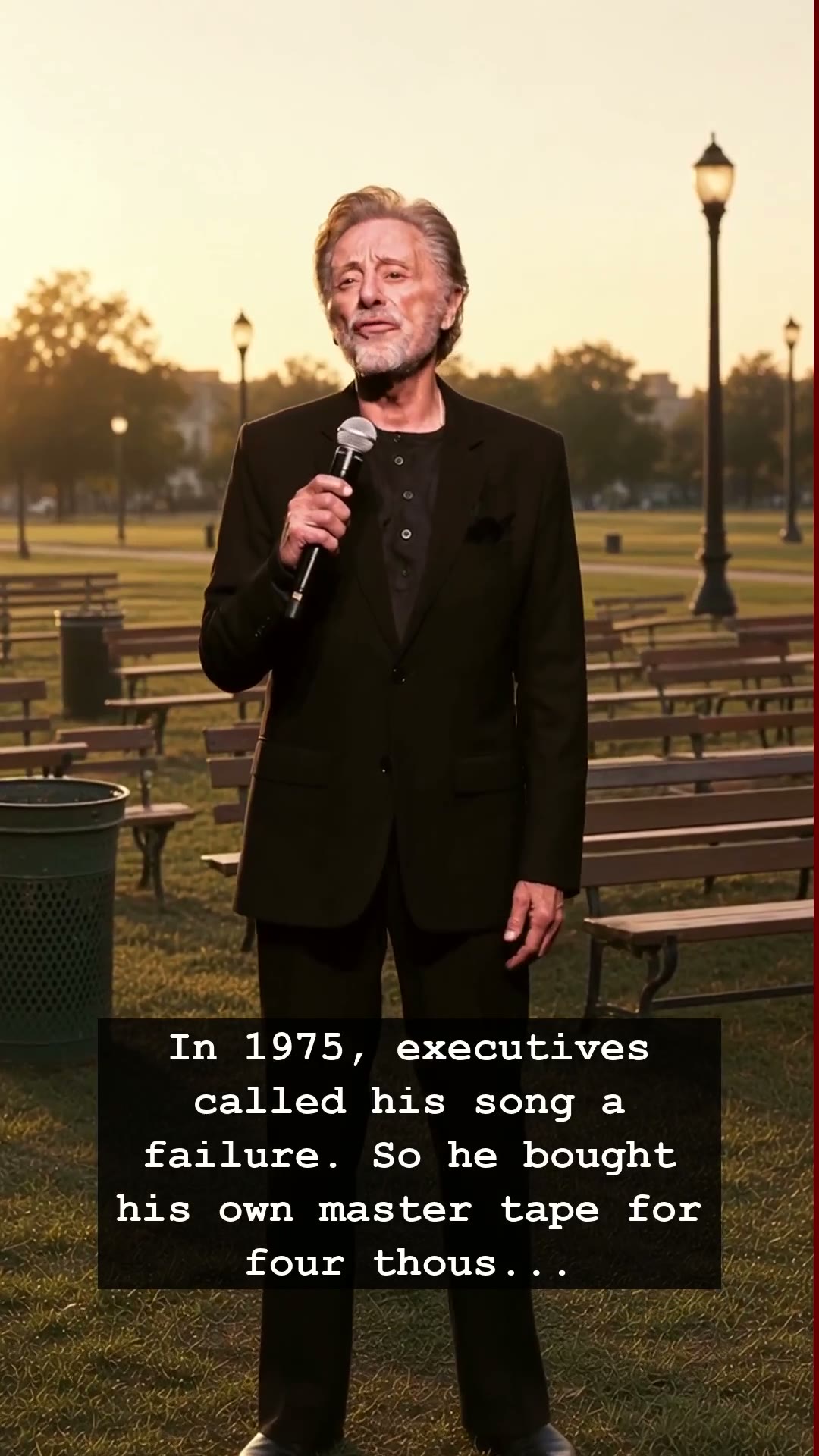
The year was 1975, and the shimmering, neon-soaked era of Disco was beginning to tighten its grip on the American airwaves. Inside the high-stakes boardrooms of the major record labels, executives were obsessed with the next trend. When Frankie Valli presented his latest track, the industry gatekeepers gave him a cold, definitive answer: it was a failure. They didn’t hear a hit; they heard a relic. To them, the man who had defined the sound of the sixties was suddenly out of sync with the new, synthetic pulse of the mid-seventies. It was a humiliating moment for a legend, a bitter pill that could have easily signaled the fading of his iconic falsetto into obscurity.
But Frankie Valli was not a man to go down without a fight. He knew the soul of the music he created, and he felt the raw, undeniable potential vibrating within the master tape. In a move of desperate, beautiful defiance, he reached into his own pocket and paid four thousand dollars to buy the master recording back from the label. It was a gamble that spoke volumes about his belief in his own artistry, a personal investment that turned his back on the corporate suits who had dismissed him. He didn’t just want a contract; he wanted his legacy to remain intact.
With the tape in his possession, Valli took his destiny into his own hands. He shopped the track around, fueled by the kind of grit and determination that defined the artists of the jukebox generation. Against all odds, the song found a new home, and the world finally heard what the executives had missed. It didn’t just climb the charts; it soared straight to number one on the Billboard Hot 100. The song was My Eyes Adored You, and its massive success proved that the connection between a singer and his audience could never be measured by a boardroom poll or a marketing focus group.
Looking back at that golden era, it is easy to forget how fragile the fame of these legends truly was. While the youth were flocking to the decadence of Studio 54 or sporting their new Walkmans, Frankie Valli was fighting for his place in a landscape that was rapidly evolving. The music industry has always been a ruthless machine, often discarding talent the moment a newer sound arrives. Yet, Valli managed to bridge the gap between the doo-wop charm of his early days and the sleek production of the disco era, proving that a timeless voice transcends shifting musical trends.
Today, when those opening notes play, they carry the weight of a triumphant story that remains a hidden gem for many casual listeners. It is a reminder that behind every anthem on the radio, there is often a battlefield. Frankie Valli dared to bet on himself when nobody else would, turning a rejected master tape into a permanent mark on American music history. Next time you hear those soaring vocals, remember the four thousand dollars it took to keep the song alive, and let the nostalgia wash over you.