
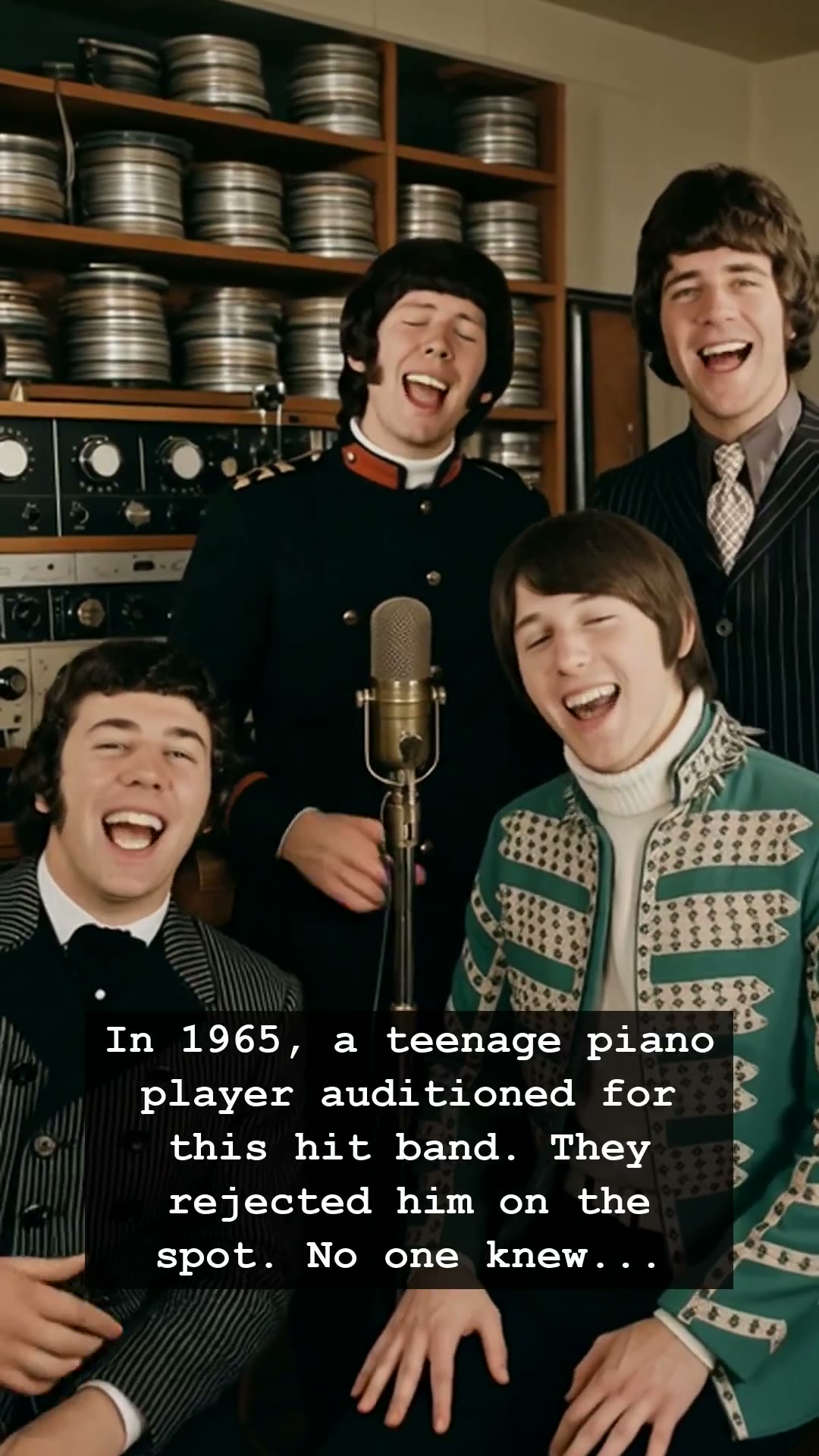
It is the stuff of music industry legends, a moment frozen in the amber of the mid-sixties where fate hung by a single, fragile decision. Picture London in 1965. The air is thick with the scent of cheap cigarettes and the promise of a revolution. A young, nervous teenager named Reginald Dwight—later to be known by the world as Elton John—walked into a cramped audition room, his fingers eager to find magic on the piano keys. He was auditioning for The Tremeloes, a band already riding the high of the British Invasion, looking to replace their keyboardist. The band members listened to the scrawny kid play, shared a brief, dismissive glance, and told him he simply did not have the right look or the spark they needed. They showed him the door, closing it on the man who would eventually define the sound of the next three decades.
Looking back from the vantage point of the present, the irony is almost suffocating. The Tremeloes, famous for their infectious harmonies and hits like Silence Is Golden, were at the top of their game, operating in the golden era of the jukebox and the transistor radio. To them, Dwight was just another hopeful musician in a city drowning in talent. They had no way of knowing that the bespectacled boy they turned away possessed a reservoir of melodic genius that would soon fill stadiums across the globe. It serves as a haunting reminder of how fragile the trajectory of fame really is—a game of inches, milliseconds, and the subjective whims of gatekeepers who define the culture of an era.
This story resonates because it taps into our collective obsession with the ‘what if’ of music history. We often romanticize the polished stars we see on MTV or hear on classic rock radio, forgetting that every titan of the industry was once a stranger being rejected by someone else. The Tremeloes were not villains; they were simply men of their time, trapped by the aesthetic expectations of 1965, a year before the psychedelic explosion would shatter all boundaries. They chose safety, while destiny had much louder plans for the boy who didn’t fit their narrow mold.
The industry has always been a ruthless machine, and even legends like The Tremeloes were just cogs trying to keep the momentum of their career alive. Yet, that failed audition remains a stain on their historical resume, a delicious piece of trivia that humbles the biggest stars. It teaches us that talent is not always immediately recognizable. Sometimes, it is hidden behind a quiet demeanor and a pair of thick glasses, waiting for the right stage to shine upon.
Today, we look back at the rejection of Elton John by The Tremeloes not as a tragedy, but as a turning point. Had he joined the band, he might have been a permanent fixture in a mid-level pop act rather than the icon who gave us the soundtrack of our lives. It is a testament to the idea that sometimes, being told no is the most important push toward greatness. So, the next time you drop a coin into an old jukebox and hear a familiar tune, remember the ghosts of auditions past—and the stars who were born from the shadows of a closed door.