
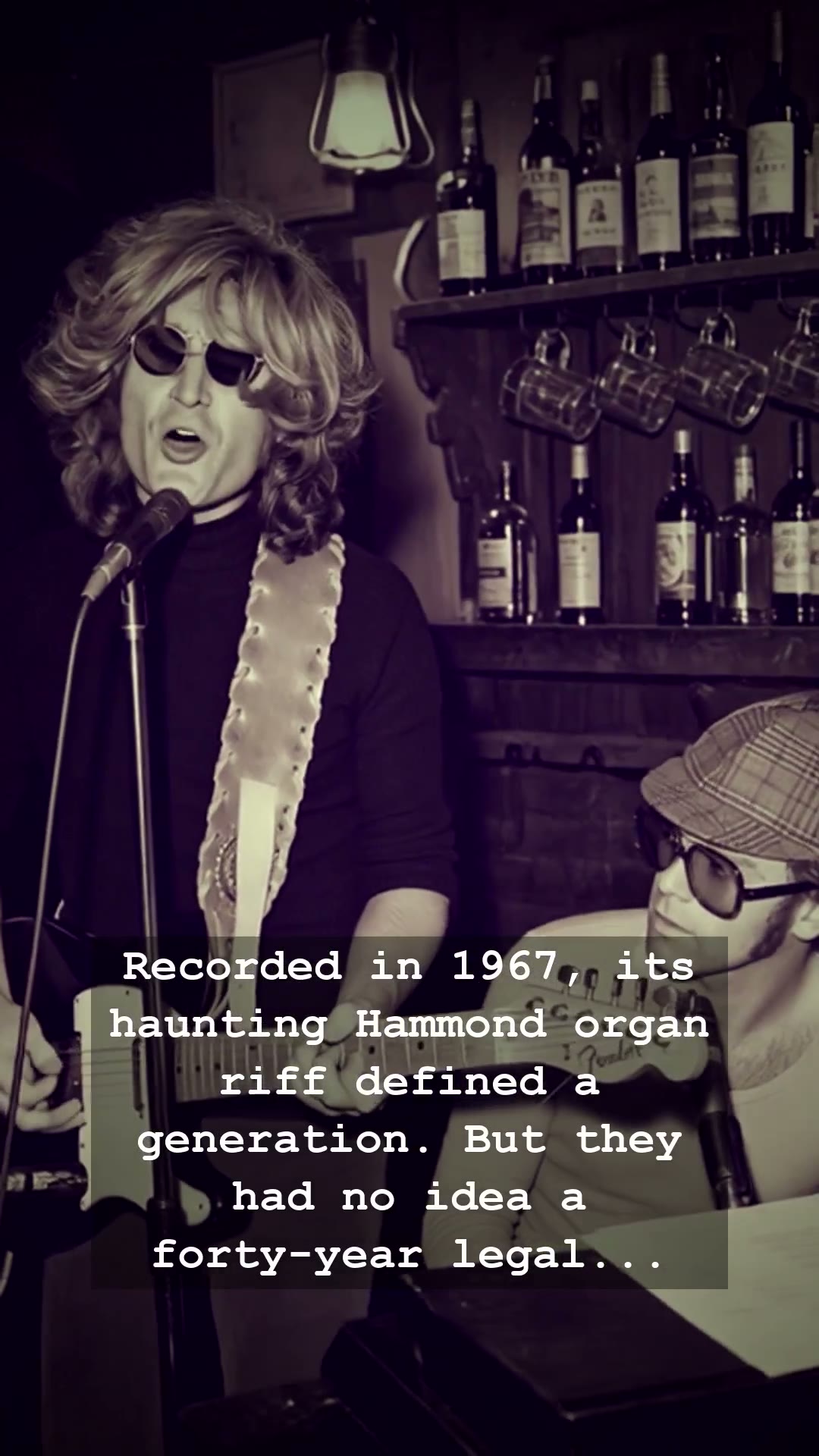
The year was 1967, and the air was thick with the scent of patchouli and the promise of a revolution. In the smoke-filled studios of London, Procol Harum captured a sound that would define a generation. Their haunting anthem, A Whiter Shade of Pale, drifted from every radio station and jukebox, its melancholic Hammond organ riff serving as the unofficial soundtrack to the Summer of Love. For millions, it was a song of celestial beauty, a timeless piece of art that seemed to float above the chaotic reality of the era. Yet, behind the ethereal melodies and the rising fame of the band, a dark, hidden storm was brewing—a legal battle that would span four decades and threaten to dismantle the very legacy of Procol Harum.
While the world was busy dancing in the neon glow of the sixties, a quiet struggle over the true authorship of those iconic keyboard lines began to take shape. Matthew Fisher, the organist whose fingers danced across the Hammond keys to create that unmistakable sound, would eventually find himself locked in a grueling confrontation with his own bandmates. The dispute over the songwriting credits of A Whiter Shade of Pale became one of the most famous copyright battles in music history. It was not just about money; it was about the sanctity of creation and the acknowledgment of artistic contribution in a world that often discarded the individual for the success of the brand.
As the seventies gave way to the synth-pop eighties and the grit of the grunge nineties, the shadows of the courtroom loomed large over the band members. Fans who spent their afternoons listening to the song on their Walkmans had no idea that the creators were locked in a bitter stalemate. The narrative of Procol Harum was no longer just about the psychedelic brilliance of their sound; it was a cautionary tale of how the weight of fame and the pressure of intellectual property could fracture even the most talented creative partnerships. It is a story that reveals the cold reality behind the curtain of the music industry.
Today, when we hear those opening bars, the music still resonates with a haunting, ghostly power that transcends time. It remains a masterpiece of the era, standing tall alongside the legends of Woodstock and the pioneers of the British Invasion. However, the legacy of A Whiter Shade of Pale is now forever intertwined with the persistence of those who fought to be recognized for their craft. The legal struggle eventually reached the highest courts, offering a rare, if messy, glimpse into the complex legal machinery that governs the art we love.
Looking back, the story of Procol Harum serves as a reminder that every iconic track carries the weight of human ambition and personal conflict. We listen to the music, but we rarely see the human cost hidden within the grooves of the vinyl. Perhaps that is why the song still feels so heavy and profound today; it carries the echoes of a war that was fought in silence, long after the records stopped spinning. As you listen to those organ notes one more time, you might hear a bit more than just the sixties—you are hearing the sound of a history that refused to be forgotten.