
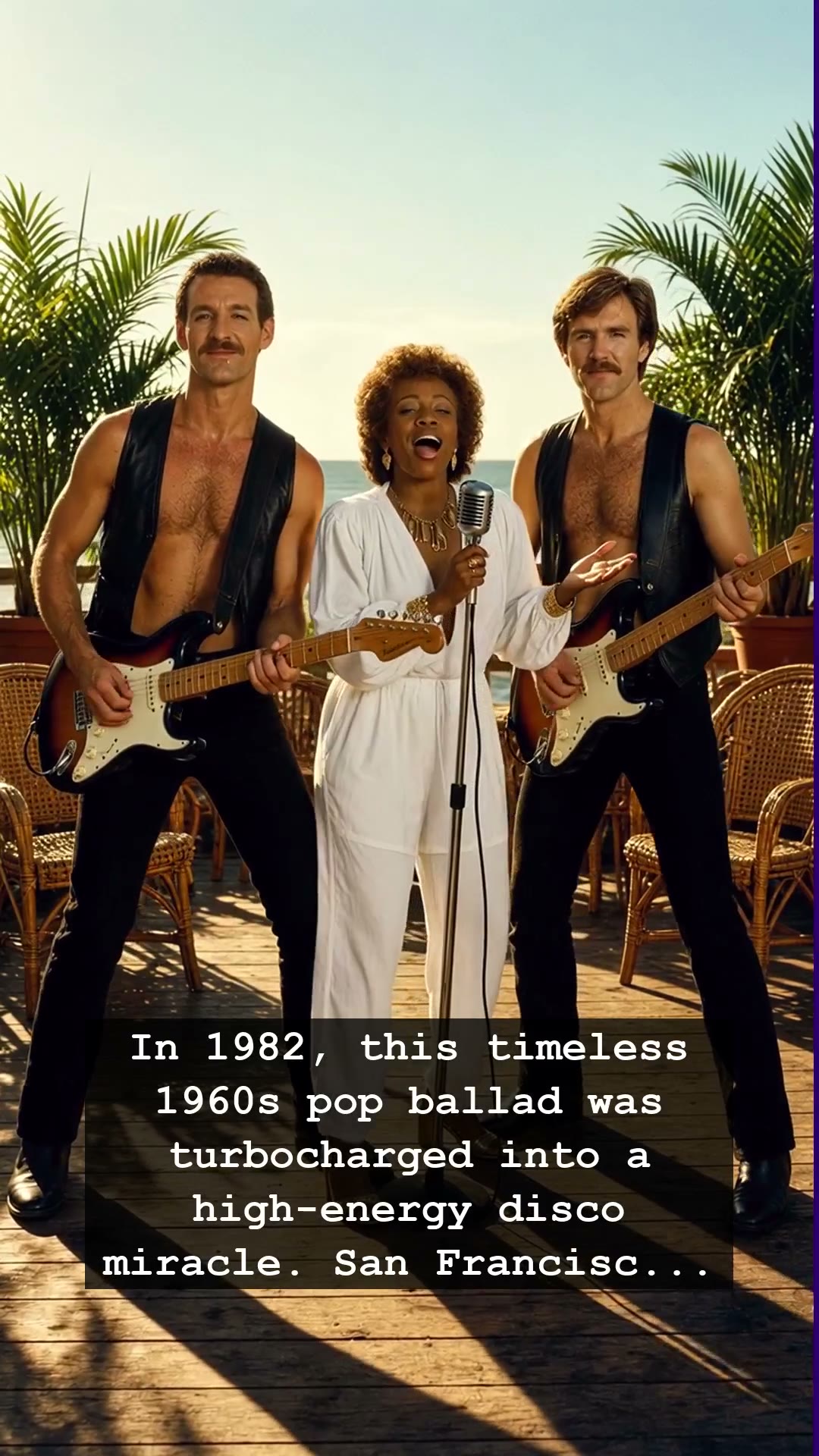
The year was 1982, and the neon lights of the underground club scene were beginning to flicker with a new, frantic energy. While the world was busy adjusting to the dawn of MTV and the sleek, synthesized sounds of the new wave, a group of visionaries in San Francisco was looking back to the past to fuel the future. The Boys Town Gang, a high-octane ensemble born from the heart of the city’s vibrant nightlife, dared to touch a classic. They didn’t just cover Frankie Valli’s 1967 ballad Can’t Take My Eyes Off You; they turbocharged it, transforming a sentimental croon into a pulsating, high-energy disco miracle that would define the era’s dance floors.
The original track was a staple of jukeboxes across America, a slow-burning romantic standard that had defined the late sixties. However, by the early eighties, the Boys Town Gang recognized that the song possessed a rhythmic heartbeat just waiting to be unleashed. When they stepped into the studio, they stripped away the orchestral sweetness and replaced it with a driving bassline, frantic percussion, and an ecstatic vocal arrangement that felt like a direct transmission from the peak of Studio 54. It was a bold gamble, yet the moment the needle dropped on the record, the tension in the room vanished, replaced by an unstoppable kinetic force that demanded movement.
For those who lived through the transition from the waning disco era into the birth of hi-NRG, the Boys Town Gang rendition was more than just a dance track; it was a cultural reclamation. It became an anthem for the marginalized, a soundtrack that filled the dark, crowded basements and strobe-lit warehouses of San Francisco with a sense of urgent liberation. The song proved that a timeless melody could survive the shift in musical landscape, provided it was injected with enough passion to keep the night alive long after the Walkman had been put away for the day.
Behind the glitter and the high-energy production lay the grit of a changing scene. The Boys Town Gang brought a raw, authentic edge to the music, reflecting the complex social pressures and the emotional intensity of the early eighties. While critics often dismissed disco as a dying movement, the success of this single proved that the spirit of the dance floor was far from extinguished. It was a bridge between generations, connecting the velvet-draped nostalgia of the sixties to the frenetic, neon-soaked pulse of the future.
Even today, listening to the Boys Town Gang version of the song feels like stepping back into a humid, crowded room where time stood still. It captures the essence of a moment when music wasn’t just heard, but physically felt in the chest. That 1982 miracle remains a testament to the fact that great music never truly dies; it just waits for the right beat to bring it back to life. Next time you hear those opening chords, remember the San Francisco nights that made it immortal.