
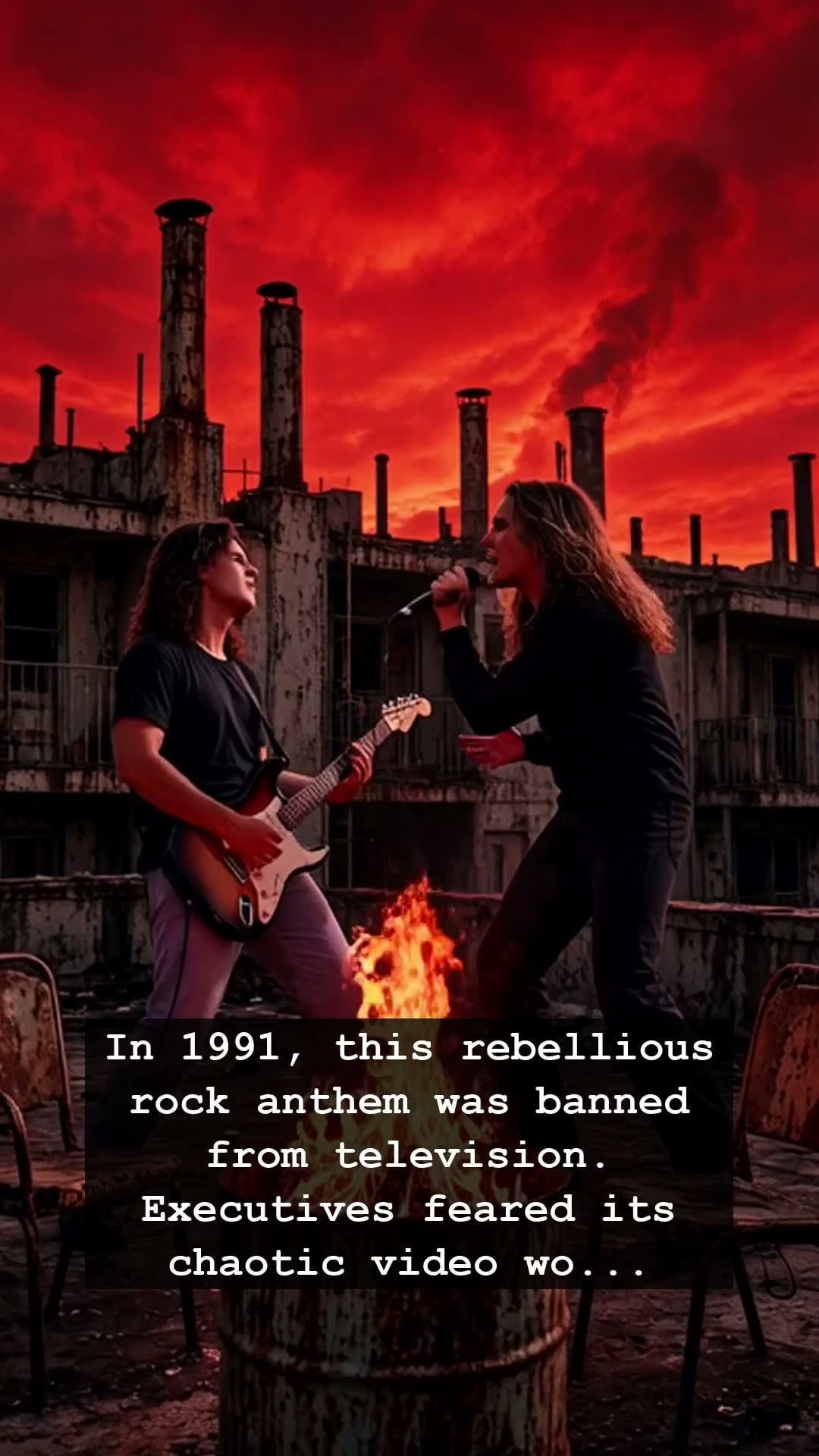
In the adrenaline-soaked landscape of 1991, the world felt like a powder keg waiting for a single spark. As the Gulf War dominated the headlines and global anxiety reached a fever pitch, music television executives were running scared. They were looking for any sign of dissent that might ignite the streets, and they found their primary target in the raw, unapologetic energy of Skid Row. Specifically, their rebellious anthem Youth Gone Wild was slapped with a broadcast ban. Networks were convinced that the video’s chaotic, frenetic imagery would stir up civil unrest among a generation already disillusioned with the status quo. It was a time when the mere sight of leather-clad rock stars shouting for freedom was viewed as a genuine threat to public order.
Skid Row had burst onto the scene with a hunger that felt dangerous in the best way possible. Led by the charismatic and volatile Sebastian Bach, the band represented the final, glorious gasp of the glam metal era before the gritty storm of grunge moved in from Seattle to change everything. Youth Gone Wild wasn’t just a song; it was a manifesto for every teenager who felt trapped by societal expectations. When the ban hit, it only fueled the fire. Censorship, as it often does in the history of rock ‘n’ roll, backfired spectacularly. Instead of disappearing, the song became a forbidden fruit, a rallying cry for fans who saw the network executives as the very villains Skid Row were singing against.
To understand the gravity of this moment, you have to picture the era. This was the twilight of the big-hair, stadium-shaking rock movement. Walkmans were blasting cassettes on every street corner, and the influence of MTV was absolute. When a video was pulled from the rotation, it was effectively silenced in the mainstream. Yet, Skid Row refused to fade away. The band’s raw, blue-collar aesthetic and their refusal to play by the polished rules of the late eighties record industry earned them a cult-like loyalty. They were the gritty underdogs who managed to capture the frustration of a generation trapped between the decadence of the eighties and the looming uncertainty of the nineties.
Looking back, the fear surrounding Youth Gone Wild seems almost quaint, yet it highlights the sheer cultural weight that rock bands held back then. Skid Row provided an emotional outlet for millions. Whether they were performing in dive bars or sold-out arenas, the energy was palpably real. The drama behind the scenes—the clashes, the intense pressure of fame, and the constant threat of being shut down by the gatekeepers of pop culture—only added to the mythos. Skid Row wasn’t just playing music; they were navigating a minefield of censorship and shifting musical tides.
Today, Youth Gone Wild remains an immortal rock masterpiece, standing as a defiant middle finger to those who tried to keep it off the airwaves. It serves as a reminder of a time when music felt dangerous, essential, and entirely unfiltered. Even as the decades have passed, the song’s legacy persists, proving that you can ban the video, but you can never stop the spirit of a movement. Do you remember where you were when this anthem first hit your speakers, or are you just discovering the raw power of Skid Row for the first time?