
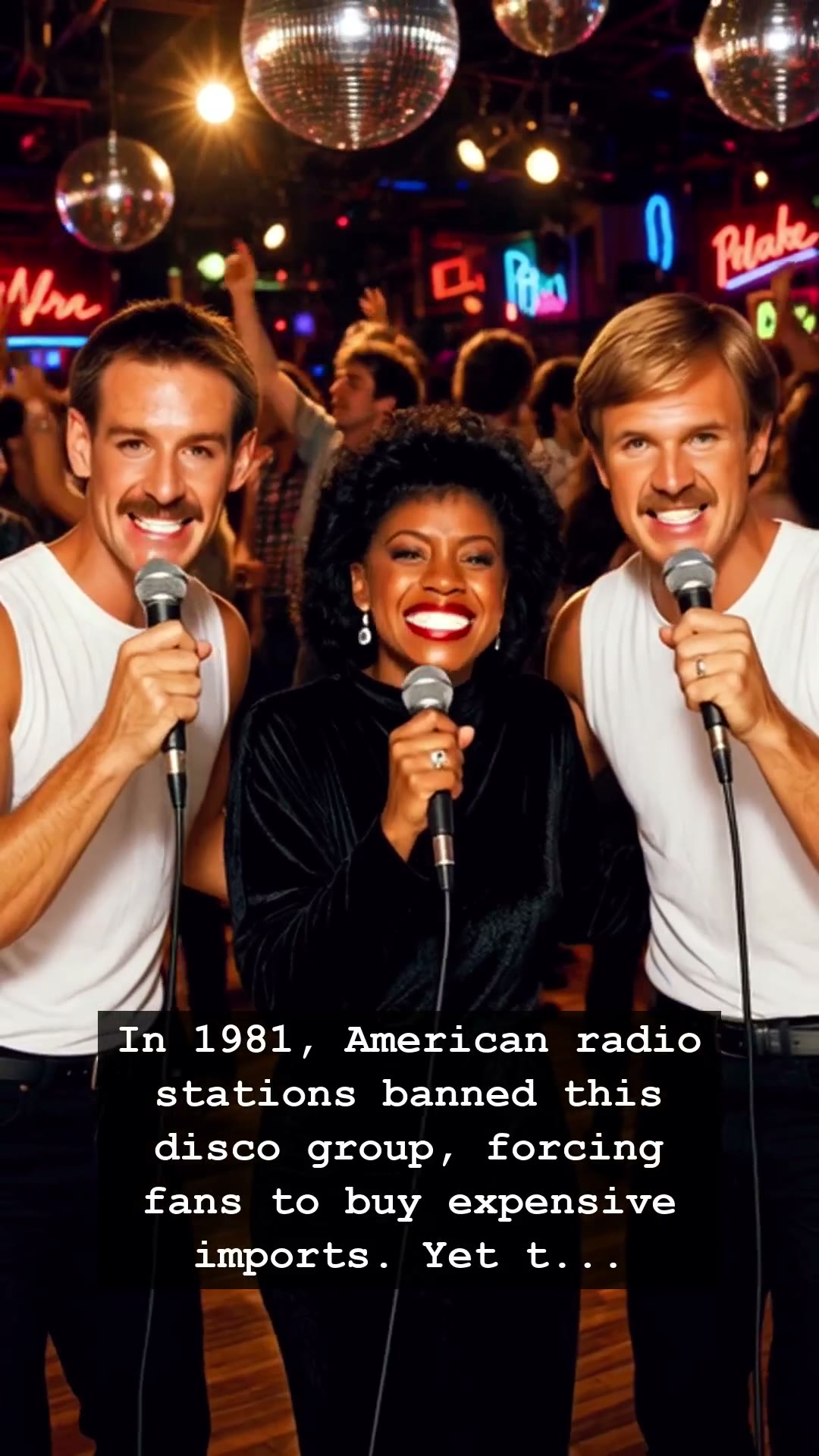
In 1981, the shimmering lights of Studio 54 were beginning to fade, and a wave of hostility toward the disco genre swept across the American airwaves. It was a time when the Billboard charts were battlegrounds, and for one group in particular, the gates were slammed shut. The Boys Town Gang found themselves in the crosshairs of a cultural boycott that threatened to silence their meteoric rise before it had truly begun. American radio stations, bowing to the pressure of the infamous Disco Demolition era, refused to touch their records, effectively exiling the sound that was meant to unite the dance floor.
Yet, there is something irresistible about a song that refuses to be ignored. Forced to bypass the traditional airwaves, fans of the Boys Town Gang took matters into their own hands. They scoured dusty crates and specialty import shops, paying premium prices for European pressings of records that were effectively blacklisted in their own homeland. It was a bizarre, underground rebellion where music enthusiasts became smugglers of rhythm. This wasn’t just about buying a vinyl; it was a defiant act against the gatekeepers of popular culture who had decided that the glitter of disco had overstayed its welcome.
Despite the silence on the radio, the Boys Town Gang did not fade into obscurity. Instead, they conquered the global stage, proving that artistic integrity—and a killer beat—could transcend the barriers of local industry politics. Their version of Can’t Take My Eyes Off You became a worldwide phenomenon, echoing through clubs from Tokyo to London. While domestic DJs were pressured to avoid the track, the world was dancing to the Boys Town Gang. It is a classic narrative of the underdog, where the sheer magnetic force of a melody proved far more powerful than the restrictive policies of corporate radio executives.
Looking back from the vantage point of today, the struggle of the Boys Town Gang serves as a vivid reminder of a fractured era. It was a time when the Walkman was becoming a staple, yet the music industry was desperately trying to pigeonhole what listeners could hear. The Boys Town Gang stood at the center of this cultural tug-of-war, embodying the spirit of the late seventies and early eighties. Their music captured a sense of optimism and liberation that defined the disco generation, providing a sanctuary for those who felt like outsiders in their own country.
Decades later, the legacy of this group remains a testament to the resilience of music. They remind us that trends may shift and radio formats may change, but a truly great performance eventually finds its audience. Even now, hearing the opening notes of their hits transports many back to that distinct era of high-energy, defiant dance music. The Boys Town Gang taught us that you cannot censor the spirit of a movement. Do you remember the first time you heard their rhythm break through the noise of the eighties?