
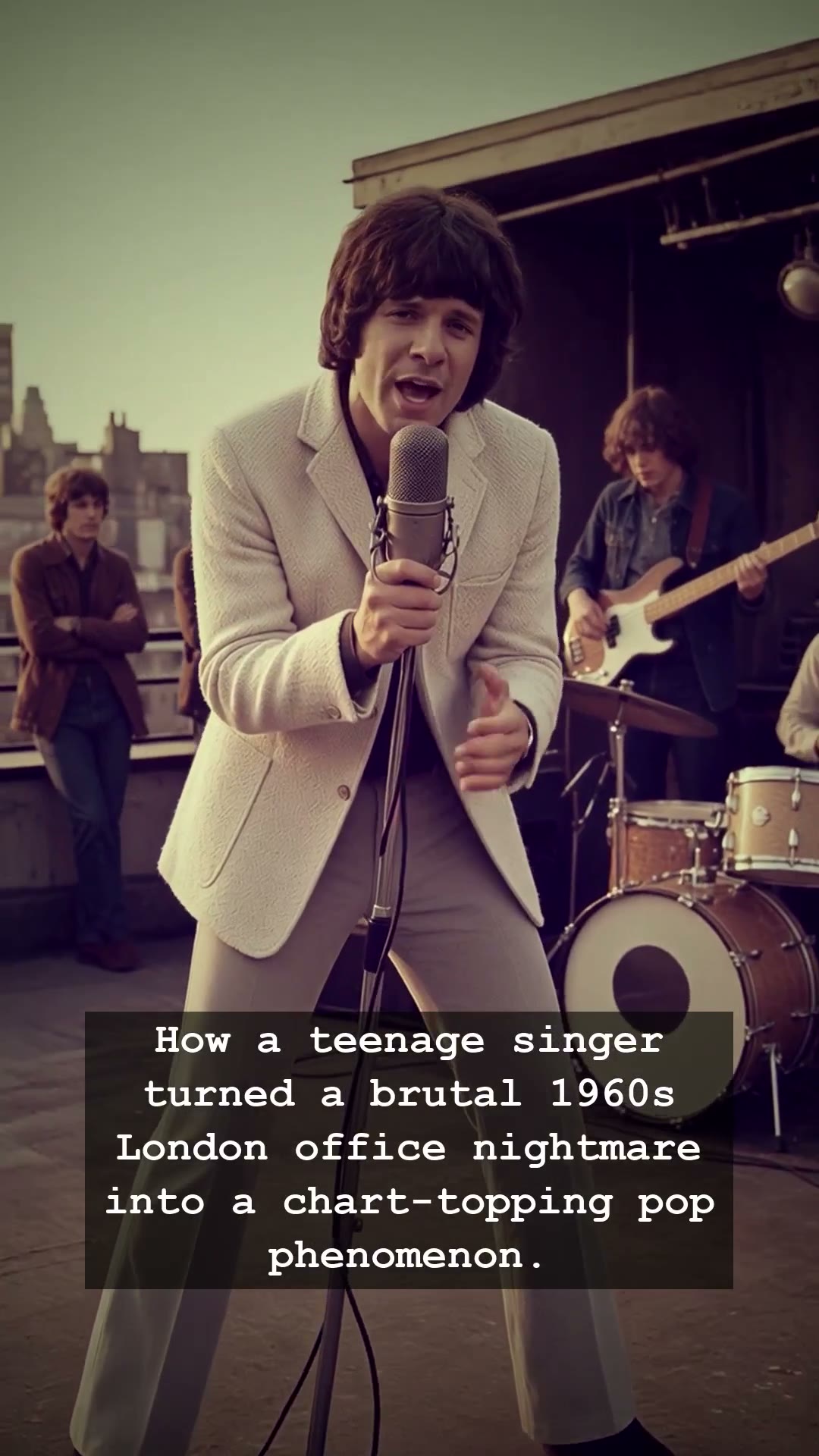
In the swinging London of the mid-1960s, beneath the veneer of mod fashion and the budding British Invasion, a young man sat trapped in a grey, soul-crushing office. While his peers were dreaming of jukebox glory and the electric hum of new amplifiers, Steven Demetre Georgiou—better known to the world as Cat Stevens—was enduring a miserable corporate existence. He was only eighteen, a teenager with a guitar and a burning, restless spirit that refused to be stifled by the monotonous clicking of typewriters or the suffocating demands of his superiors. This period of his life was not merely a job; it was a brutal initiation into the harsh realities of the adult world, a place where creativity was often traded for a steady paycheck and a quiet life.
Most fans today remember Cat Stevens for his later, serene acoustic anthems, but his journey began in the friction of teenage rebellion against the establishment. He channeled the sheer misery of his 1960s London office nightmare into a sharp, melodic critique of corporate life. It was a time when the world felt like it was shifting on its axis, and the suffocating atmosphere of a cramped office provided the perfect backdrop for his brewing talent. He watched the clock, he watched his colleagues wither away under the fluorescent lights, and he realized that the life promised to him was a lie. He didn’t just walk out; he poured that frustration into the very music that would soon launch him to international stardom.
When he finally escaped that desk, Cat Stevens brought with him a raw, authentic edge that separated him from the polished pop stars of the era. He wasn’t singing about sugar-coated teenage romance; he was singing about the weight of expectations and the desire to break free. His ability to articulate that specific brand of existential dread resonated deeply with a generation that was beginning to question the status quo of the post-war era. The music industry, then centered around the fast-paced, high-stakes environment of London studios, took notice. It was a chaotic transition, fueled by the adrenaline of rebellion and the sudden, dizzying taste of fame that transformed him overnight from an obscure office worker into a cultural phenomenon.
That transition highlights a recurring theme in the history of music: the best art often emerges from the darkest, most confining spaces. Cat Stevens proved that even the most mundane, soul-sucking day job can become the catalyst for brilliance if the person behind the desk has a vision. His story remains a powerful reminder of the grit required to move from the shadows of an office cubicle to the bright, blinding lights of a worldwide stage. The legacy he built during those formative years continues to echo, serving as a testament to the power of artistic defiance against the grind.
Today, listening to his early tracks, one can still hear the echoes of that London office, the clatter of the city, and the heartbeat of a young man fighting for his soul. Whether you are a long-time fan of his introspective folk years or you are just discovering his pop roots, the story of Cat Stevens serves as a timeless bridge back to an era where music was the ultimate form of personal liberation. Perhaps it is time to revisit those early records and listen once more for the sound of a prisoner finally unlocking his chains.