
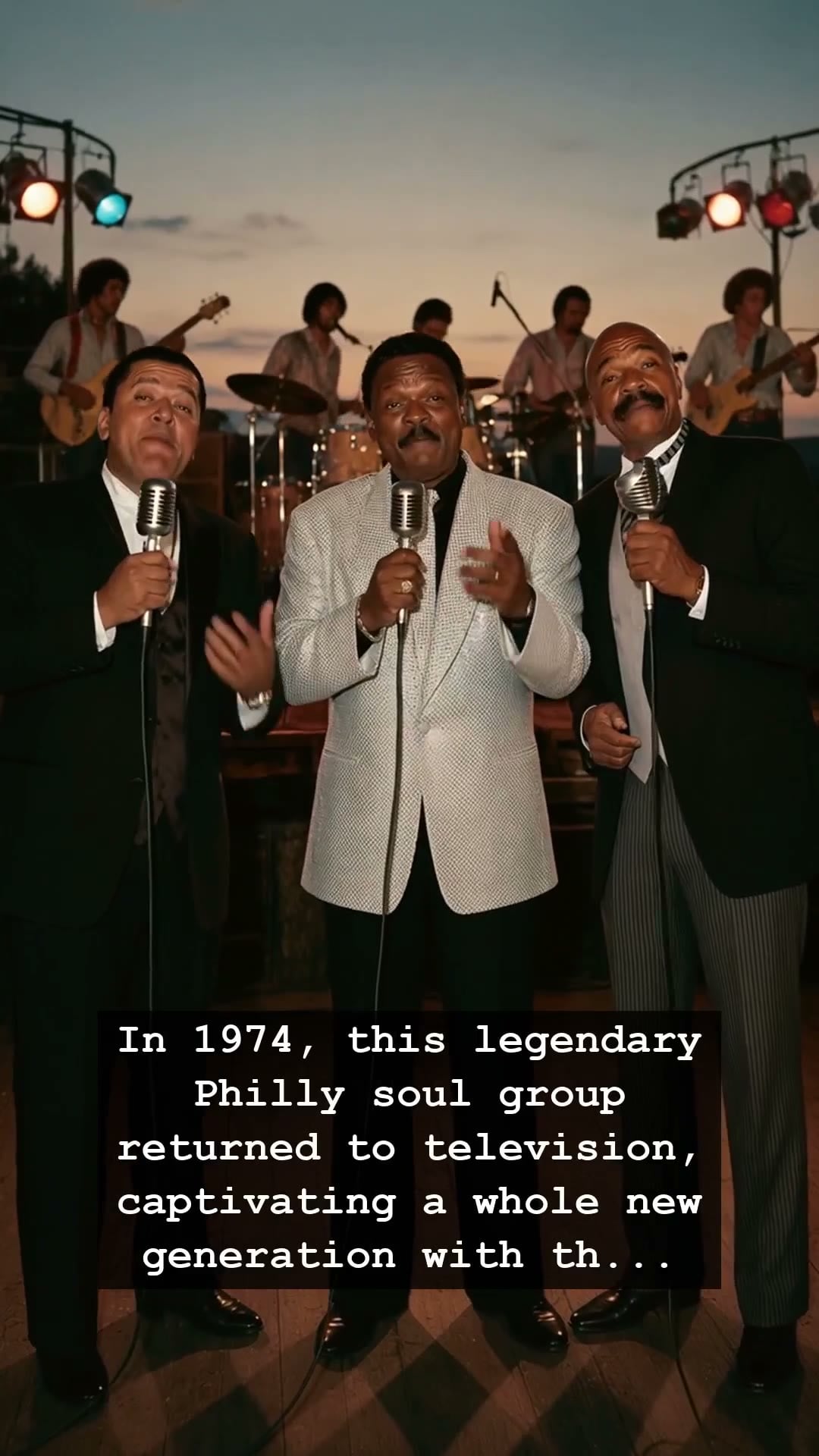
It was 1974, the height of a decade defined by platform shoes, polyester flares, and the hypnotic rhythm of the underground disco scene. While the world was rapidly shifting toward the pulsating beats of Studio 54, a singular sound cut through the glitter and the neon. As The Delfonics stepped onto the polished floor of the Soul Train stage, the atmosphere shifted. Their performance was not just a television spot; it was a haunting, ethereal reminder of the Philly soul sound that had defined the late sixties. For a generation watching through the grainy glow of their living room consoles, those silky falsetto harmonies felt like a gentle bridge back to a more intimate time.
To understand the magic of The Delfonics is to understand the soul of Philadelphia in that era. William Hart, the group’s mastermind, had crafted a soundscape built on lush orchestral arrangements and fragile, heartbreaking vocals. Long before the digital precision of modern production, tracks like Didn’t I (Blow Your Mind This Time) captured the raw, aching vulnerability of love in a way that modern pop rarely dared to touch. Their music was the soundtrack of the jukebox in the corner of a dimly lit diner, the companion to slow dances in high school gymnasiums, and the secret melodies hummed into the early morning air.
Yet, beneath the polished television appearances and the soaring success of their hit records, the journey of The Delfonics was fraught with the standard industry turbulence that claimed so many legends of that time. Navigating the changing tides of the music industry—from the golden age of soul to the onset of the funk-driven disco explosion—required more than just talent; it required a resilience that often took its toll on the artists themselves. The story of the group is one of immense creative heights matched by the private pressures of fame and the shifting tastes of a nation eager to turn the page to a new, faster era.
Watching them in 1974, you see more than just a musical act. You witness a moment where the elegance of traditional soul held its ground against the rising tide of commercialized pop. There is a palpable tension in their performance, a weight of history that the audience at home could sense even through the screen. Their contribution to music remains a cornerstone of the American songbook, proving that while trends vanish as quickly as a fashion statement, the resonance of a truly soulful melody is permanent.
Even today, the legacy of The Delfonics continues to echo through the samples of modern hip-hop and the playlists of those who yearn for the authenticity of the past. They remain the gold standard of the Philly soul movement, a reminder of a time when every chord change was designed to stir the spirit. When we look back at their 1974 performance, we are not just remembering a song; we are revisiting a feeling. Do you remember where you were the first time those harmonies swept you away?