
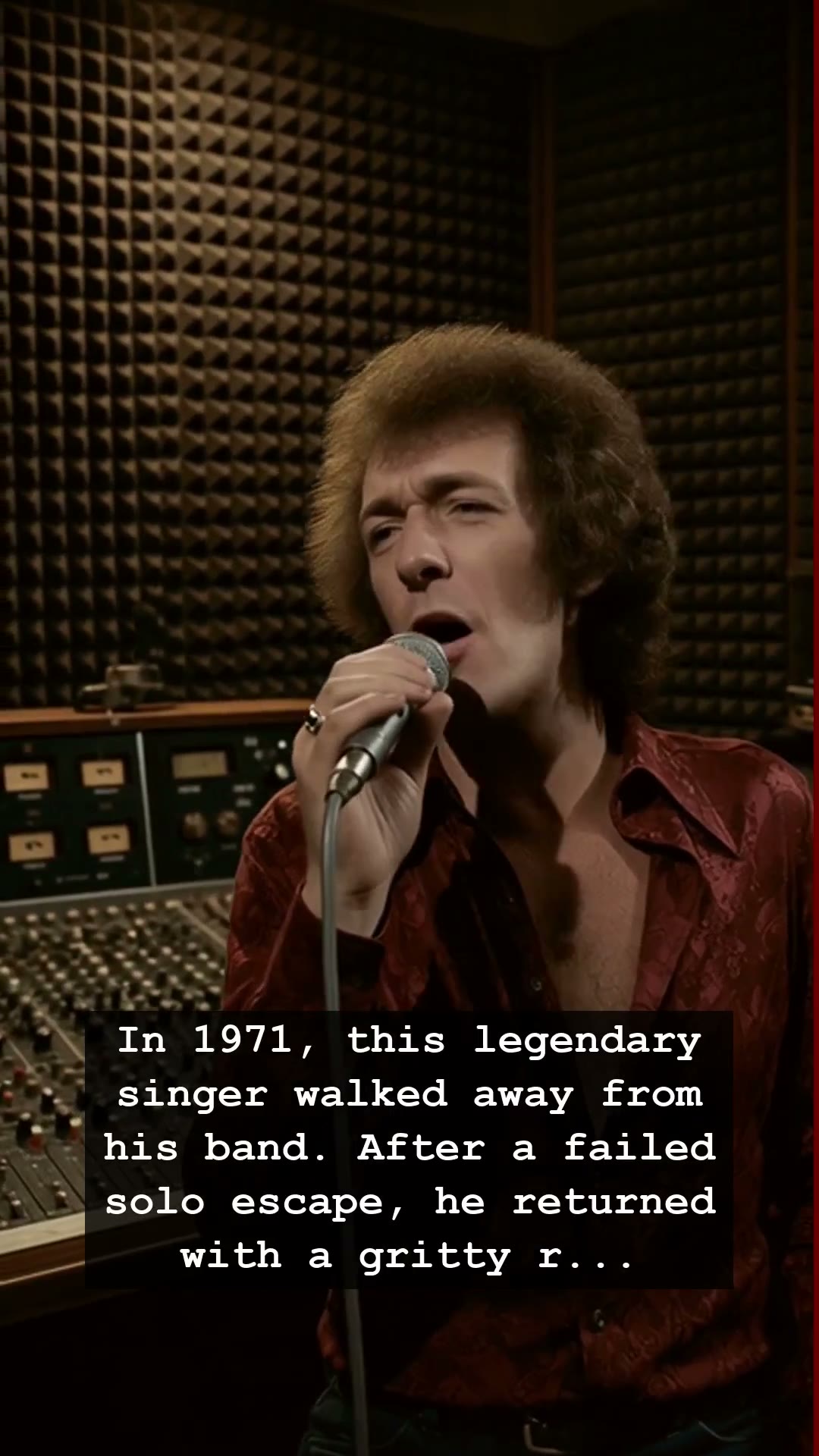
The year was 1971. In the golden age of the jukebox and the burgeoning era of FM radio, a voice synonymous with the harmony-driven perfection of The Hollies suddenly went silent. Allan Clarke, the unmistakable frontman whose soaring vocals defined the British Invasion’s pop sensibilities, decided he had reached his limit. To the shock of millions, he walked away from the band that had made him a household name. It was not just a departure; it was a desperate quest for artistic identity that left fans heartbroken and the music industry whispering about the death of a legend. The glamour of the studio faded, replaced by the uncertainty of a solo career that felt like navigating a ship without a compass.
Allan Clarke’s brief departure was fueled by the restless spirit of an era where musicians were constantly battling between commercial pop expectations and their own raw, creative desires. As the psychedelic rock movement gave way to the grittier sounds of the early seventies, Clarke felt stifled. He tried to reinvent himself, hoping to leave the polished vocal arrangements of his past behind for something more visceral. Yet, the solo landscape proved unforgiving. Fame is a fickle friend, and the silence of a record that fails to chart can be deafening. The pressure of stardom, the weight of public expectation, and the internal strife that often breaks apart the greatest bands of the sixties began to take their toll on his morale.
However, destiny had a different plan. Like a scene out of a cinematic documentary, the pull of the music was too strong to ignore. Allan Clarke returned to the fold, but he did not come back just to replicate his previous success. He brought with him a new, sharper edge that culminated in the gritty rock anthem Long Cool Woman (in a Black Dress). When that opening riff hit the airwaves, it shattered the image of the pop-crooner who had once harmonized so sweetly with Graham Nash. The song was a revelation, a swampy, blues-drenched masterpiece that demanded attention. It surged up the charts, proving that a phoenix could indeed rise from the ashes of a fractured career.
This comeback was more than just a hit record; it was a testament to the resilience of the classic rock spirit. In an age before the digital ubiquity of streaming, when music traveled through the crackle of a Walkman or the roar of an arena tour, Allan Clarke’s comeback became a rallying cry for anyone who had ever felt the need to walk away only to realize they belonged on the stage. It captured the raw tension of the early seventies—a time when music was shedding its flower-power skin and growing the leather jacket of hard rock.
Even today, the legacy of that transition remains a fascinating study of artistic evolution. We look back at Allan Clarke not just as a hitmaker, but as a man who navigated the perilous waters of fame, ego, and redemption. His story reminds us that sometimes, you have to break everything apart to find the sound that truly defines you. Whether you heard it on a transistor radio or rediscovered it on a classic rock playlist, the grit in his voice remains a timeless anchor to a transformative period in music history. Do you remember the first time those haunting guitars pulled you into the song?