
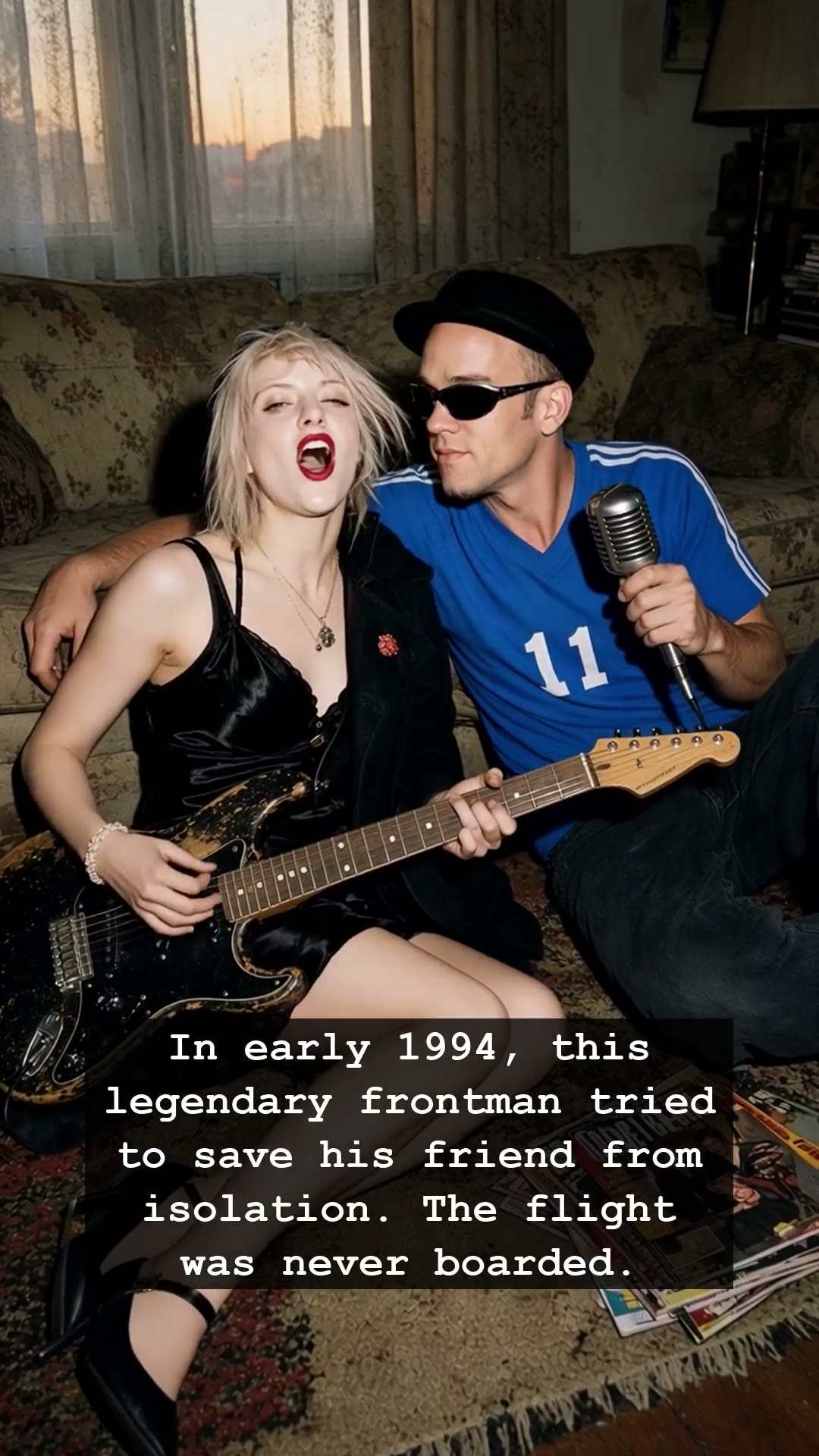
In the early months of 1994, the music world stood on the precipice of a silent tragedy that few outside the inner circle could truly perceive. Grunge had become the global soundtrack, and the iconic frontman Kurt Cobain was drifting further into the shadows of his own fame. While the world saw the flannel shirts, the distorted guitars, and the stadium-filling anthems, his close friend Michael Stipe saw a man fading into a dangerous, crushing isolation. The R.E.M. vocalist, sensing a desperate need for a lifeline, orchestrated a plan that could have rewritten history: he sent a plane ticket to Seattle and reserved studio time, hoping that a creative collaboration might pull Kurt Cobain back from the brink of his despair.
This was the era when MTV defined our cultural pulse and the weight of artistic expectations could crush even the brightest stars. Kurt Cobain was the reluctant king of this movement, a man who felt the paradox of fame more acutely than his peers. Michael Stipe, a fellow traveler in the alternative rock scene, recognized that behind the legend lay a deeply troubled soul in need of sanctuary. The plan was simple but profound: bring Kurt Cobain to a neutral space, away from the chaos of Seattle, where the pressure of record labels and the haunting specter of addiction might lose their grip in the creative sanctity of a recording booth.
Yet, the plane sat empty. The ticket went unused, and the studio time expired in a hollow silence that would eventually preface the darkest news in rock history. It remains one of the most haunting “what ifs” of the nineties. We often look back at the glory days of the Walkman era and the raw, unpolished honesty of the grunge explosion, yet we frequently forget the fragile humanity behind the feedback. The connection between Michael Stipe and Kurt Cobain was not just a friendship; it was a desperate, quiet attempt at salvation between two titans who felt the world differently than the rest of us.
Why does this story continue to resonate decades later? Perhaps because it strips away the myth of the rock god and replaces it with the painful reality of human fragility. In an age where digital connectivity is constant, the image of those two musicians trying to reach across the void remains strikingly relevant. We are reminded that even those who define the zeitgeist of a generation are subject to the same loneliness as anyone else. Michael Stipe did everything he could to anchor his friend, providing a sanctuary that, unfortunately, was never reached.
As we revisit the legendary records that shaped the 1990s, we are also forced to confront the gaps left behind by those we lost too soon. The tale of the unused ticket is a somber reminder of the limitations of love and intervention. It serves as a permanent, poignant chapter in the history of rock, leaving us to wonder how many more melodies might have been written had that flight been taken. The silence that followed still speaks volumes, echoing through the music that changed our lives forever.