
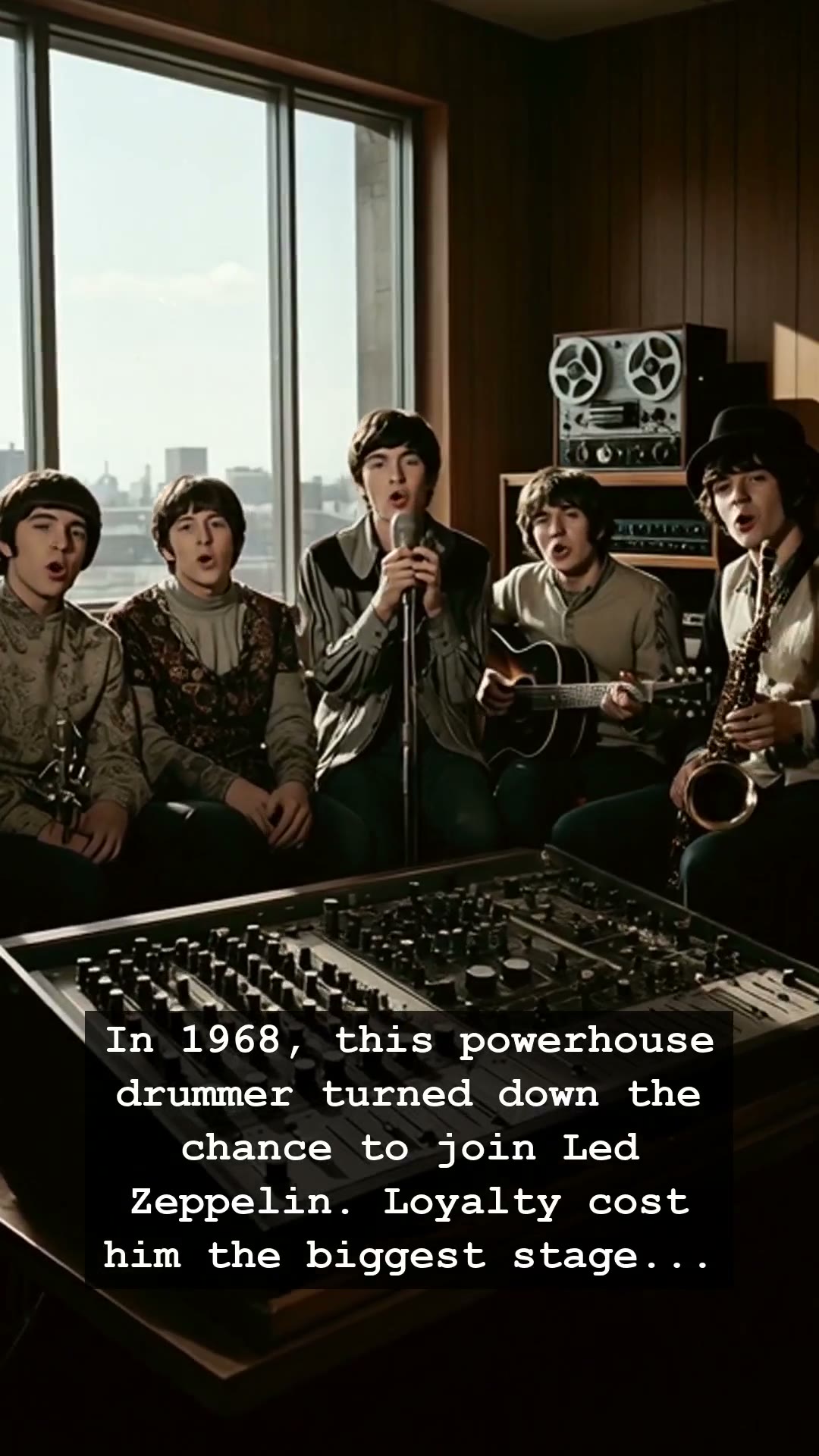
In the smoke-filled, electric atmosphere of 1968 London, rock history hung by a single, fraying thread. Jimmy Page was scouring the city, hunting for the perfect rhythm section to build the colossal beast that would eventually be known as Led Zeppelin. His sights were set on a man whose drumming was not merely precise but visceral, an emotional powerhouse who could command a kit with the intensity of a hurricane: B.J. Wilson of Procol Harum. The offer was laid out, a golden ticket to the absolute summit of arena rock, yet the man behind the kit uttered the word that would haunt music historians forever: No.
To understand why B.J. Wilson walked away from the gargantuan success that eventually defined the seventies, you have to transport yourself back to the era of the Jukebox and the burgeoning psychedelic scene. Procol Harum was more than a band; it was a brotherhood forged in the fires of artistic experimentation. After the global, haunting success of A Whiter Shade of Pale, Wilson felt an unbreakable, almost spiritual loyalty to his bandmates. He was not just a hired gun; he was the heartbeat of a collective. While others might have jumped at the chance to be in the spotlight of stadiums, Wilson chose the quiet integrity of his existing life, staying true to his roots while the world around him began to shift toward the heavier, louder sounds of the coming decade.
This decision remains one of the most compelling what-ifs in rock and roll history. Imagine the seismic shift Led Zeppelin might have experienced with Wilson’s unique, fluid, and soul-drenched percussion style driving the rhythm. Instead, B.J. Wilson stayed with Procol Harum, continuing to craft intricate soundscapes that defied the commercial pressures of the music industry. It is a testament to an age when artistic loyalty often trumped the allure of massive, stadium-filling fame. The industry was evolving into a business of corporate giants, but Wilson belonged to an era where the music was meant to be felt, not just marketed.
Today, when we spin these classic vinyl records, we hear more than just notes; we hear the echoes of the choices these legends made behind the scenes. Wilson’s choice is a reminder that the history of music is not just written by the winners of the charts, but by the quiet acts of honor that happened in dimly lit studios long before the era of MTV and digital streaming. His legacy with Procol Harum remains untarnished by the crushing demands of global superstardom, offering a pure, unadulterated glimpse into the genius of a man who stood by his peers when the temptation of power was at its absolute peak.
We look back at these figures with a sense of melancholic wonder. Was it a mistake? Perhaps. But in the grand, cinematic tapestry of rock history, B.J. Wilson occupies a unique space, a man who defined his own destiny. As the sun set on the sixties, the music landscape became a darker, more complex arena, yet Wilson’s integrity serves as a grounding force. Next time you drop the needle on a track by Procol Harum, listen closely to the drums. You are hearing the heartbeat of a legend who knew exactly who he was, and more importantly, who he stood with, even when the world offered him everything.