
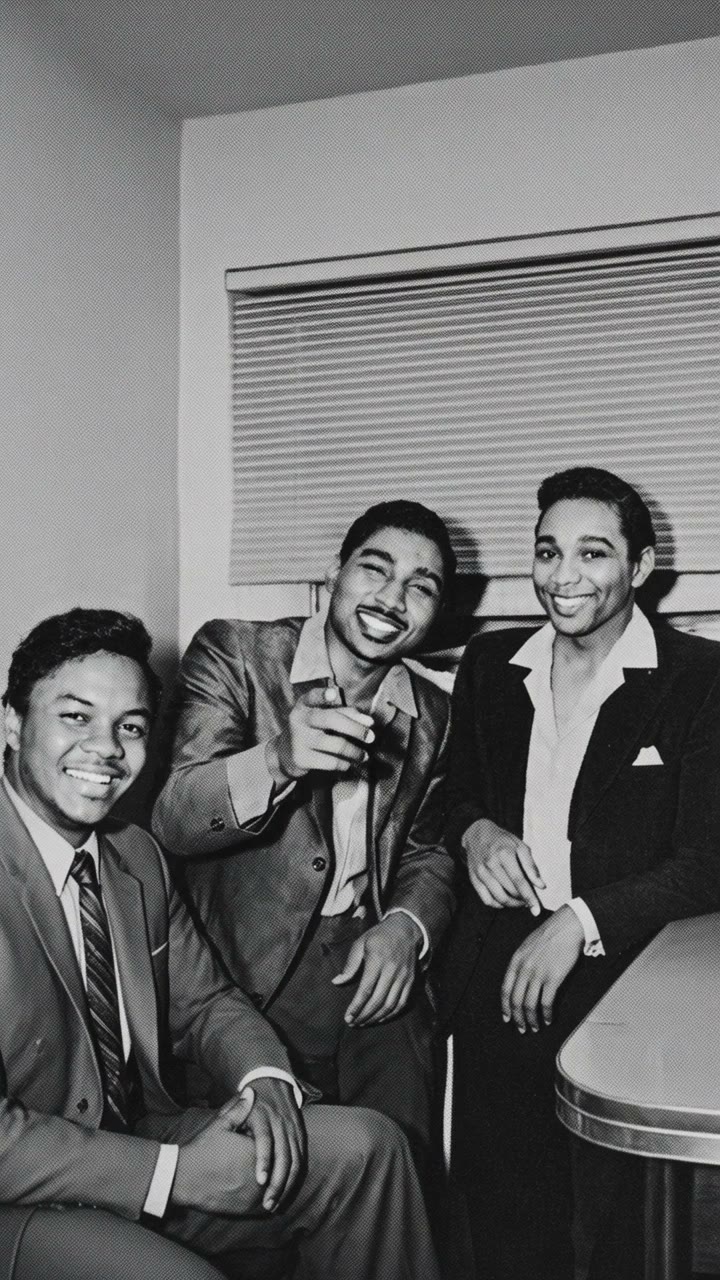
In 1970, the halls of Hitsville U.S.A. felt suddenly cold. Three men, responsible for the soundtrack of a generation and the heartbeat of the Motown machine, walked out of the iconic studio with essentially nothing but their reputations. Brian Holland, Lamont Dozier, and Eddie Holland—the trinity of songwriting and production known as Holland Dozier Holland—had finally reached a breaking point with Berry Gordy. They were not just employees; they were the architects of the Motown sound, having crafted countless hits for The Supremes, the Four Tops, and Martha and the Vandellas. Yet, their exit was swift, quiet, and carried the heavy weight of a bitter financial dispute that would leave them stripped of their royalties and fighting for survival in a music industry that had never seen a power struggle quite like this.
It is difficult to overstate the seismic shift their departure caused. Imagine the Jukebox culture of the mid-sixties without the sophisticated, driving rhythms that Holland Dozier Holland perfected. They were the masters of the catchy hook, the genius behind the production desk who understood how to blend gospel roots with the polished pop sensibilities required for radio dominance. When they walked away in 1970, they didn’t just walk away from a paycheck; they walked away from a cultural empire they had helped build brick by brick. The industry whispered that they were finished, that without the machinery of Motown, their creative fire would surely burn out in the harsh sunlight of the independent world.
But the story of Holland Dozier Holland was never meant to end in a boardroom battle. Driven by a defiant need to prove their independence, they turned their backs on the familiar safety of Detroit and set their sights on a new horizon. They formed their own labels, Invictus and Hot Wax, determined to reshape the landscape of soul music once more. This was not merely a transition; it was a revolution. They carried the lessons learned in the sweaty, claustrophobic studios of Motown and applied them to a new era, pushing boundaries and experimenting with heavier funk influences and more social commentary that reflected the changing tides of the seventies.
Their resilience serves as a powerful testament to the volatile nature of the music business, where creativity often clashes with the cold reality of corporate control. Watching the trio maneuver through legal nightmares and industry blacklists only adds to the mystique of their legacy. They were pioneers who proved that an artist’s value is not determined by the label on their contract, but by the fire in their belly. Holland Dozier Holland did not just survive their separation from Motown; they redefined themselves, creating an anthem of independence that echoed far beyond the charts.
Even today, when the familiar drum beats of their classic tracks hit the airwaves, we are transported back to a time of transistor radios and dreams of stardom. The story of Holland Dozier Holland reminds us that while the music business is built on contracts and litigation, the music itself—that untouchable, human magic—remains their true, eternal empire. Their journey remains a vital chapter for anyone who believes that even when you lose everything, the talent you possess is the one thing no one can truly take away from you.