
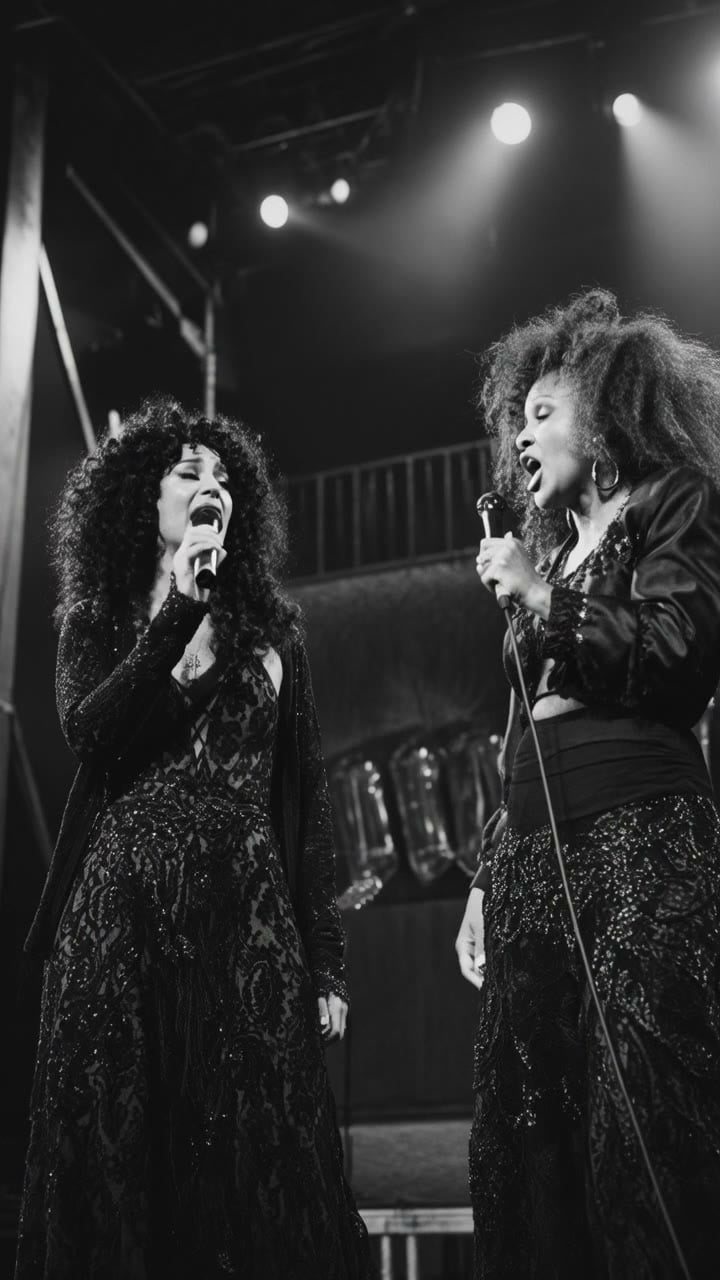
The year was 1962, and the airwaves were dominated by the echo of the jukebox. A smash hit titled He’s a Rebel exploded onto the scene, capturing the hearts of teenagers from California to New York. The song felt like the quintessential sound of The Crystals, the girl group that everyone believed was the face of the era’s pop success. But behind the glossy production of Phil Spector’s wall of sound, a quiet, devastating deception was unfolding. The voice soaring over the melody did not belong to the girls on the album cover. It belonged to Darlene Love, a powerhouse vocalist whose talent was being bartered away by the industry, leaving her identity locked in the shadows of someone else’s fame.
To understand the magnitude of this betrayal, one must look at the cutthroat nature of the music business in the early sixties. Darlene Love was a master of the recording studio, a session singer whose versatility could elevate any track into a masterpiece. Phil Spector knew this, and he used her gift to build his empire. When he wanted a hit, he turned to Darlene Love, but when he wanted a brand, he marketed the name of an existing group. While the public swooned over the supposed performance of The Crystals, the real woman behind the microphone was often relegated to the background, struggling to receive the credit she rightfully earned.
This wasn’t just a simple case of studio substitution; it was a fundamental erasure of a woman’s artistic contribution. The tragedy of Darlene Love during this period is a haunting reminder of the dark side of the music industry’s golden age. She was the ghost in the machine, the secret weapon that defined the sound of a generation while remaining largely anonymous. There is something deeply poignant about hearing a voice that defined your youth, only to realize decades later that the face associated with it was a construct, a clever marketing maneuver designed to keep the record labels happy and the royalties flowing toward the wrong people.
Yet, the power of Darlene Love proved too immense to be silenced forever. Her resilience through the decades—from the early days of Motown influence to the shifting tides of the eighties and nineties—speaks to a rare kind of strength. She wasn’t just a session singer; she was a survivor of a system that tried to manufacture her right out of history. Her story serves as a bridge between the polished, radio-friendly hits of the early sixties and the eventual reclamation of individual artistic integrity that define the legends we worship today.
Today, we look back at the era of vinyl and the iconic wall of sound with a mix of nostalgia and critical awareness. When we listen to those hits now, we hear more than just music; we hear the untold struggles of Darlene Love and her peers who fought to be heard. It is a testament to her talent that, despite being robbed of the spotlight in 1962, her voice became the enduring legacy of an entire generation. Next time you drop the needle on an old record, take a moment to listen closer, for the true soul of the song is finally getting the recognition it deserves.