
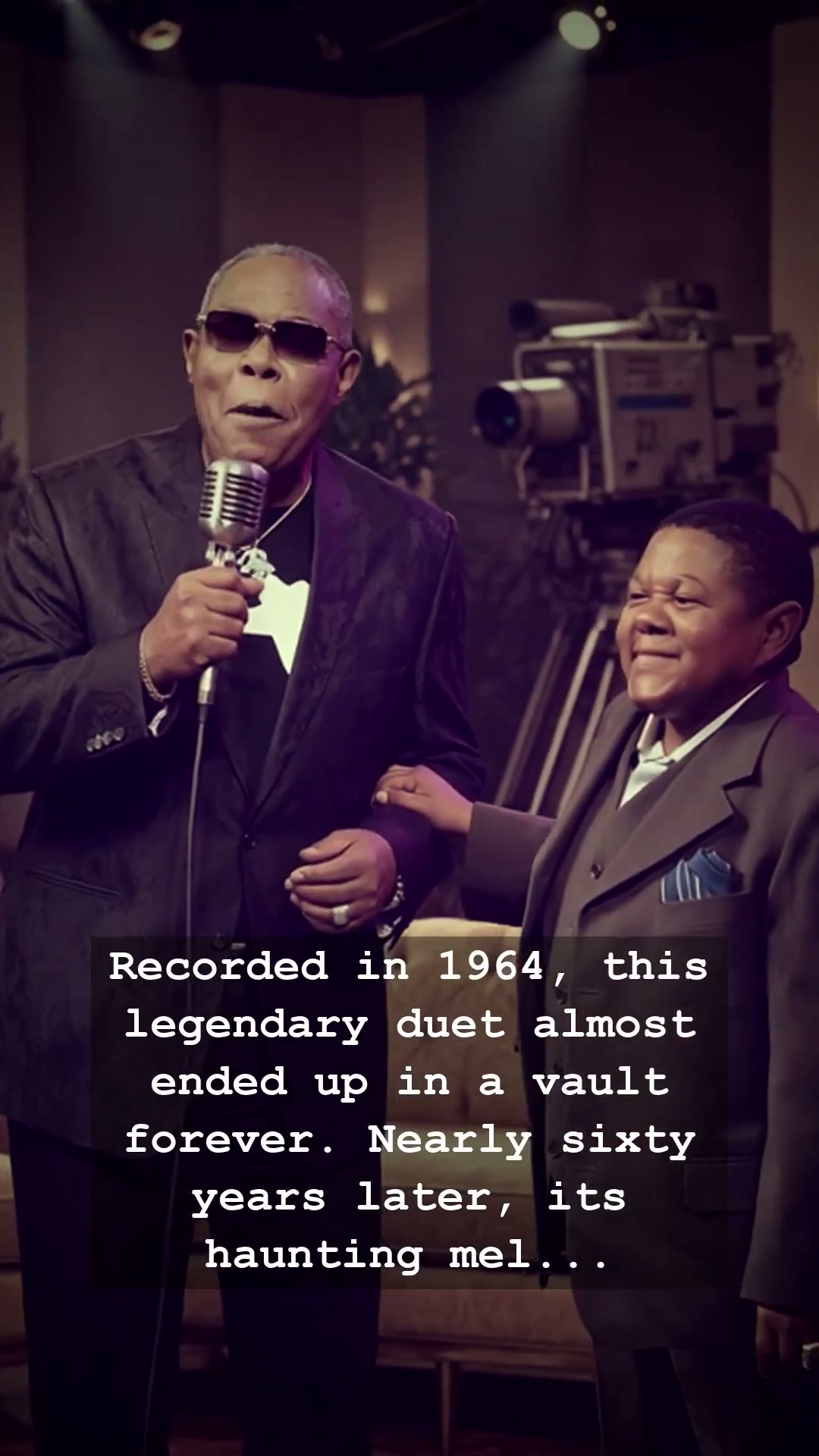
It was 1964, a time when the world was shifting beneath our feet, moving from the innocence of the early Jukebox era into something much more intense and raw. Inside a smoke-filled, dimly lit studio, The Righteous Brothers—Bill Medley and Bobby Hatfield—were poised to record a song that would define a generation. Yet, the track that would eventually become the most played song in radio history almost never saw the light of day. It was destined for the vault, dismissed by some as too slow, too long, and altogether too unconventional for the frantic pace of mid-sixties radio.
The song, of course, was Youve Lost That Lovin Feelin. Produced by the legendary Phil Spector, the track was a sonic monolith. Spector demanded perfection, pushing The Righteous Brothers to the absolute brink of their emotional and physical endurance. Take after exhausting take, the haunting, baritone opening by Bill Medley followed by Bobby Hatfields soaring, desperate tenor created a tension that was palpable. The production was thick, almost suffocating, designed to crawl under your skin and stay there. It was not just a pop song; it was a wall of sound that felt like an internal monologue of heartbreak.
Despite the atmospheric magic captured in the room, the record label executives were cold. They argued that its length and lack of a traditional upbeat tempo made it a commercial dead end. The Righteous Brothers were told it wouldnt survive the transition from the recording booth to the real world. Yet, against all odds, the song broke free. It became a cultural touchstone that defined the soundtrack of the decade, echoing from the speakers of every teenager’s car and through the corridors of every high school dance. It proved that sometimes, the most authentic expressions of pain and longing are exactly what the public craves most.
The magic of The Righteous Brothers lay in their unlikely partnership. Medley’s deep, soulful command and Hatfield’s fragile, angelic highs created a duality that mirrored the complexities of love itself. This wasn’t just a performance; it was a revelation. It captured the exact moment when the optimism of the early sixties began to give way to the deeper, more contemplative themes that would dominate the later rock and roll era. Listening to it today, on a crackling turntable or through a modern digital stream, the haunting melody still hits with the same force it did sixty years ago.
Today, we look back at this track as a survivor of the industry’s shortsightedness. It serves as a reminder that true art often requires a battle against the status quo. The Righteous Brothers may have experienced the grueling pressure of the studio, but they left us with a piece of immortality. As the song continues to find new audiences, it remains a timeless monument to the power of devotion, lingering in the air long after the last note fades into the shadows of the past.