
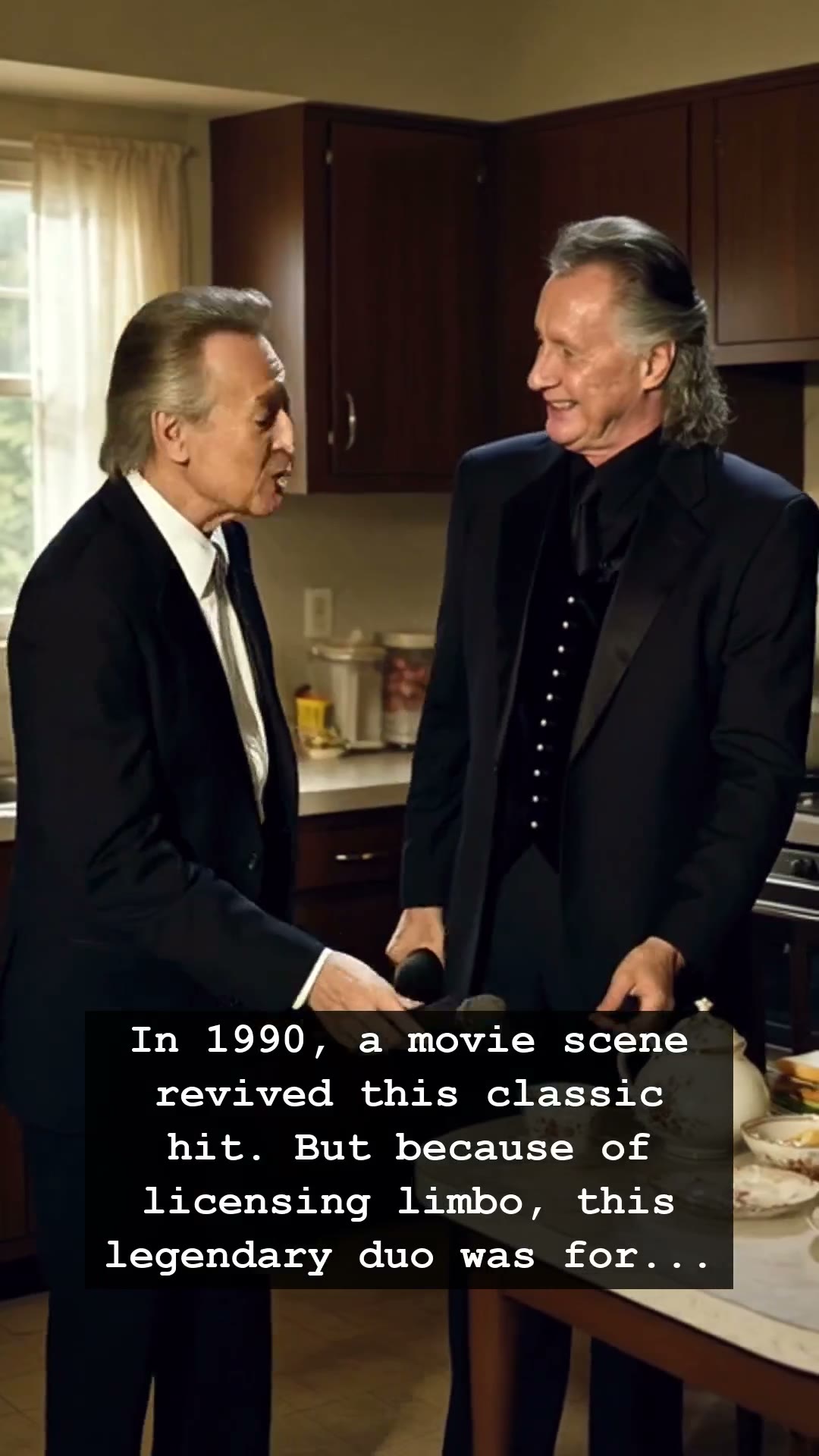
Picture the year 1990. The world of music was shifting, yet the haunting, ethereal echoes of an old soul classic were suddenly everywhere again. The culprit was a single, iconic pottery scene in the blockbuster film Ghost, which catapulted a twenty-five-year-old track back to the top of the cultural consciousness. But beneath the romantic glow of that cinematic moment lies a chaotic tale of licensing limbo and a bizarre, accidental chart war that pitted The Righteous Brothers against their own past.
Originally released in 1965, the original recording of Unchained Melody by The Righteous Brothers was a masterclass in blue-eyed soul. Bobby Hatfield’s soaring, desperate tenor defined a generation of heartbreak, turning a simple song into an anthem of eternal longing. When the song found a second life decades later, the film studio hit a wall. Due to complex licensing issues and legal tangles, the original 1965 master was unavailable for use in the film’s soundtrack. Desperate to capitalize on the movie’s momentum, The Righteous Brothers were forced to rush into a studio and re-record their signature hit.
What followed was a moment of pure musical irony. As the re-recorded version hit the radio waves, listeners couldn’t distinguish between the vintage soul of the sixties and the polished, modern production of the nineties. Soon, the new version was climbing the charts, clashing directly with the surging popularity of the original master. The Righteous Brothers found themselves in a peculiar predicament where they were competing against their own ghosts. It was a surreal moment in music history—a bridge between the era of the Jukebox and the burgeoning commercial power of MTV-era movie tie-ins.
This incident highlights the bittersweet side of fame that defined the mid-century music scene. For The Righteous Brothers, it was never just about the business; it was about that raw, gut-wrenching vocal performance that could stop time. Their ability to deliver such emotional intensity, whether in a dusty studio in the sixties or under the pressure of a deadline in 1990, cemented their status as legends. They didn’t just sing; they bled emotion into the microphone, creating a sonic texture that no amount of studio manipulation could ever truly replicate.
Looking back, the success of Unchained Melody serves as a reminder of how timeless artistry survives the changing tides of technology. Even when caught in the gears of corporate licensing, the humanity within the song broke through. It didn’t matter if it was the 1965 version or the 1990 remake; the spirit of The Righteous Brothers remained unshakable. As the notes of that final, lingering chord fade out, we are reminded that some melodies are simply meant to outlive the dramas that surround them. Do you still reach for the dial whenever that haunting intro begins to play?