
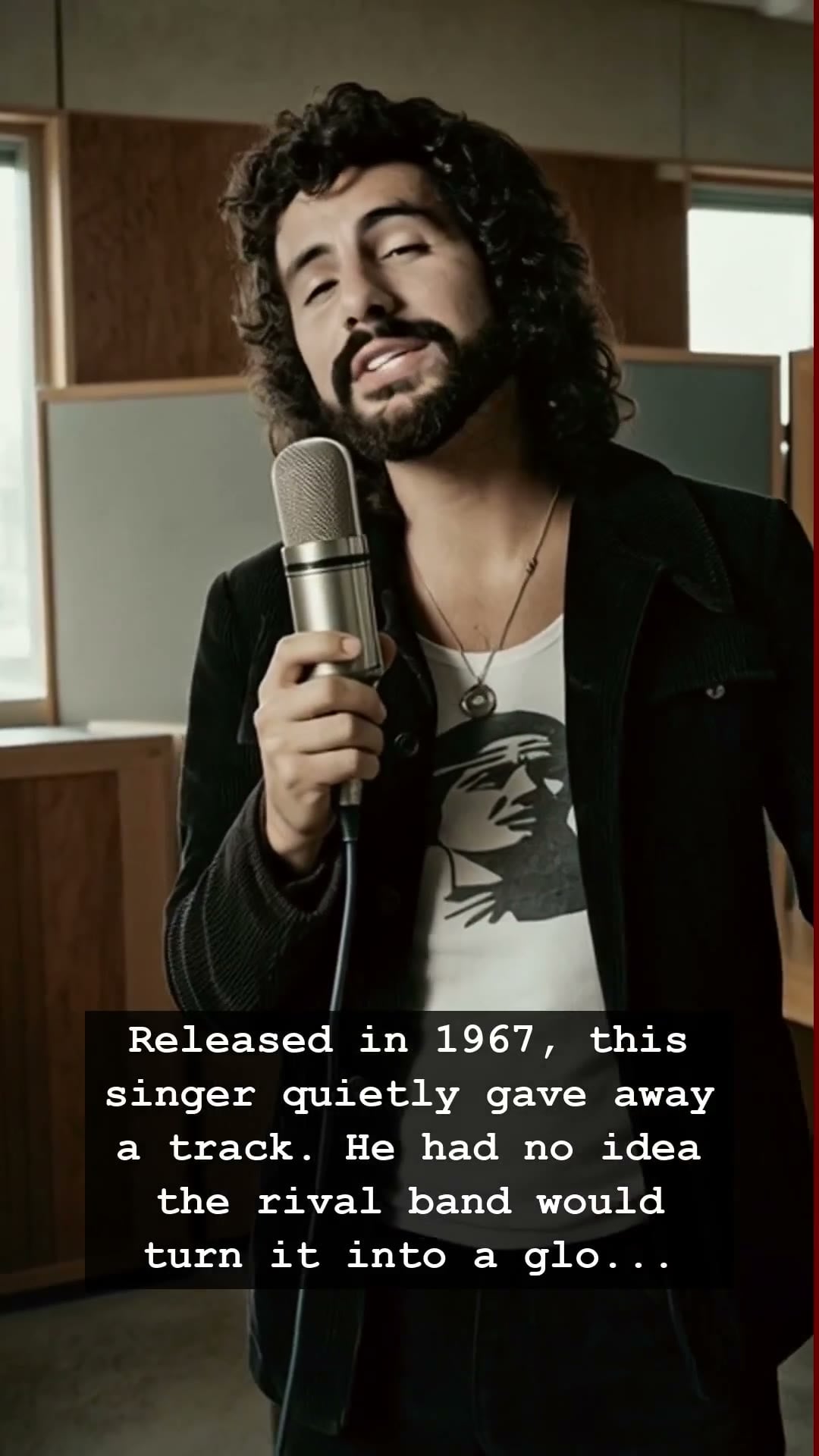
The year was 1967, and the music scene in London was a kaleidoscope of velvet suits, underground clubs, and the lingering scent of incense. At the center of this cultural explosion was a young, soft-spoken songwriter named Cat Stevens. He was the quintessential folk-pop prodigy, carving out his identity amidst the rising tides of the psychedelic movement. Yet, tucked away in his creative archives was a melody he deemed a throwaway—a simple tune called The First Cut Is the Deepest. For Cat Stevens, it was just another rough draft, a fleeting moment of heartbreak set to a few acoustic chords that he felt didn’t quite fit the polished image he was building for his own debut.
Little did Cat Stevens know, he was holding a piece of musical gold. In an era where songs were traded like currency among the burgeoning elite of the industry, he decided to hand the track over to P.P. Arnold, a soul singer who was making waves of her own. He let it go without a second thought, treating the composition as a surplus item in his vast repertoire. He could never have predicted that this supposedly disposable song would eventually become a timeless anthem, covered by legends from Rod Stewart to Sheryl Crow, topping charts across the globe for decades to come.
This story is a haunting reminder of the unpredictable nature of the music industry during the late 1960s. It was a time when artists were constantly reinventing themselves, pushing the boundaries of what defined a hit. While Cat Stevens was busy capturing the radio waves with his own signature sound, his ‘rejected’ track was finding a life of its own in the hands of others. The irony is palpable: the song he nearly discarded became one of the most covered ballads in modern history. It serves as a testament to the raw, universal pain embedded in the lyrics, which clearly resonated far beyond the intentions of its creator.
Looking back, it is fascinating to imagine the atmosphere of the recording studios where these legends operated. These were the days of analog warmth, heavy tape reels, and the subtle hiss of vinyl that defined the aesthetic of the era. Whether played on a handheld transistor radio or a jukebox in a smoky pub, the melodies of the 60s possessed a certain gravity that modern digital production often struggles to replicate. For Cat Stevens, the success of The First Cut Is the Deepest serves as a lingering echo of his own influence on a generation of songwriters.
Today, when we hear those familiar chords, we are transported back to a pivotal moment in rock history. The song persists as a classic, proving that a truly great melody can survive even when its author turns their back on it. Do you remember where you were the first time you heard it? The magic of these songs lies in their ability to capture human emotion with such precision that they feel fresh, even half a century later. Cat Stevens may have underestimated the track, but history certainly did not, and that is exactly why we are still talking about it today.