
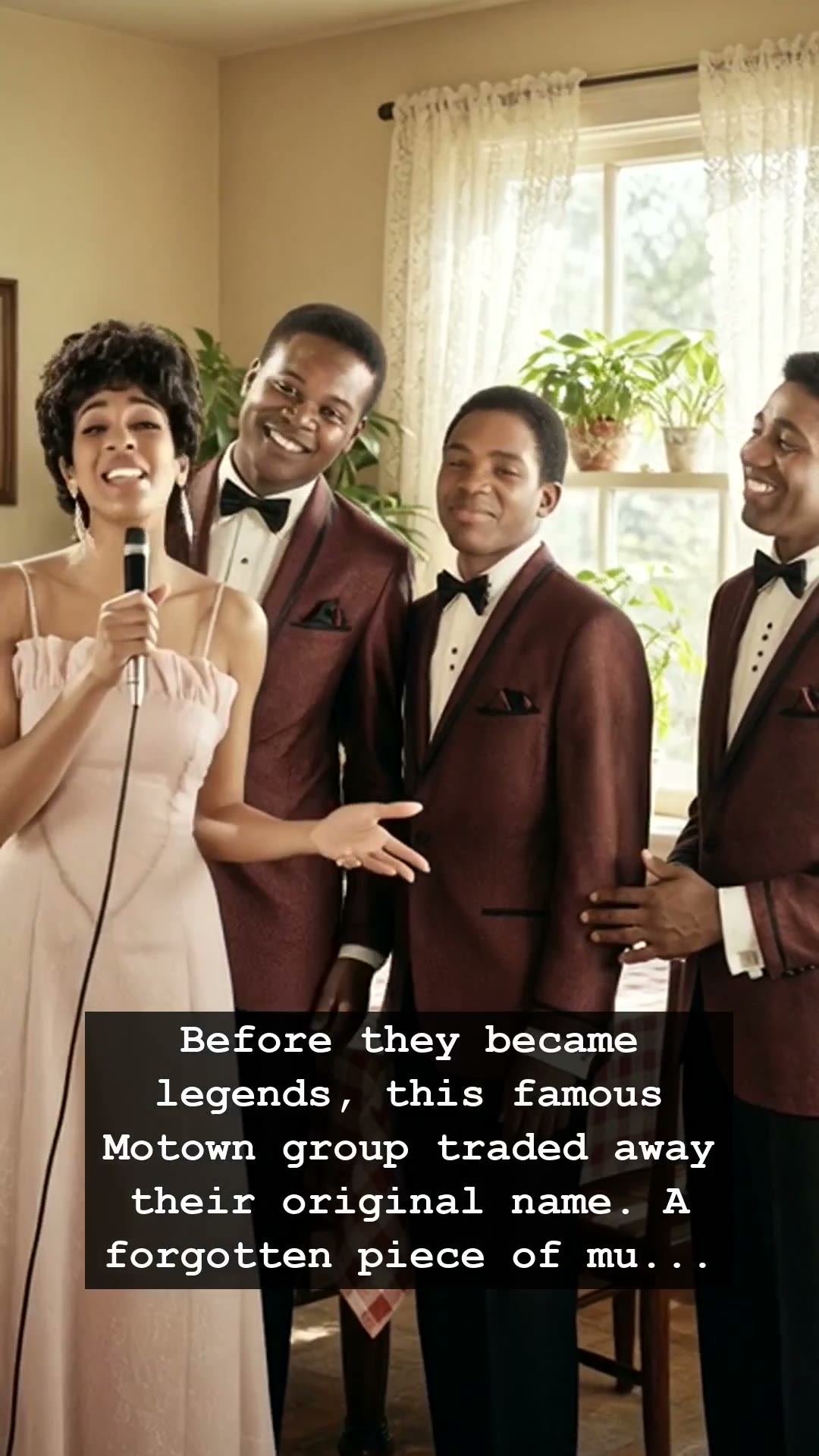
Imagine a humid night in Detroit, the air thick with the scent of motor oil and the promise of a revolution. Before The Temptations became the tuxedo-clad icons who defined the Motown sound, they were just five hungry young men scrambling for a foothold in a cutthroat industry. But what if I told you that their path to glory began not with a dream, but with a calculated erasure? Before they were the smooth-talking, synchronized-dancing legends, the group walked the streets under a completely different name, a moniker that history nearly swallowed whole before they ever reached the summit of the charts.
It is easy to forget, amidst the glimmer of the Jukebox era, that even the greatest stars were once nobodies clawing for a chance. Long before the world fell in love with My Girl, these men were singing under the banner of The Elgins. It was a simpler time, a time of doo-wop street corners and the naive ambition that only youth can provide. However, the music business in the early 1960s was a shark tank. When they signed to Motown, the label’s visionary, Berry Gordy, knew they needed a brand that would cut through the noise of a rapidly evolving American musical landscape. They were forced to leave their first identity behind in a back alley of musical history, shedding the skin of The Elgins to adopt the regal, suggestive title that would eventually command stadiums around the globe.
This transition was not merely a PR move; it was a psychological shift. As The Temptations, they had to embody a level of sophistication that was unheard of for a soul group at the time. They traded their youthful anonymity for the weight of fame, carrying the heavy burden of being the polished face of black excellence during a turbulent civil rights era. The drama behind the scenes was always simmering, a stark contrast to their perfectly harmonized studio recordings. Their rise to the top was marred by personal rivalries, the crushing pressure of non-stop touring, and the internal friction that eventually turned those sharp suits into a symbol of both triumph and deep, lingering melancholy.
Looking back now, we often lose sight of the vulnerability inherent in such a transformation. Every note The Temptations hit on stage during their golden years carried the echo of that abandoned name, a phantom limb that reminded them of where they came from. They navigated the shift from the intimate clubs of Detroit to the bright lights of national television, forever tied to a name they didn’t choose, yet one they eventually made immortal. Their story remains a masterclass in the price of stardom: you must be willing to burn down who you were to become who you are destined to be.
Today, when we spin their records, we aren’t just listening to hits; we are witnessing a legacy bought with the sacrifice of an identity. The Temptations didn’t just sing songs; they lived through the disintegration of their own beginnings to craft an American myth. As you sit back and let the soulful melodies wash over you tonight, remember the young men who once called themselves The Elgins. They are a haunting reminder that in the music industry, legends are rarely born—they are carefully constructed, one broken identity at a time. The next time you hear that unmistakable opening riff, try to listen closely for the ghost of the name they left behind.