
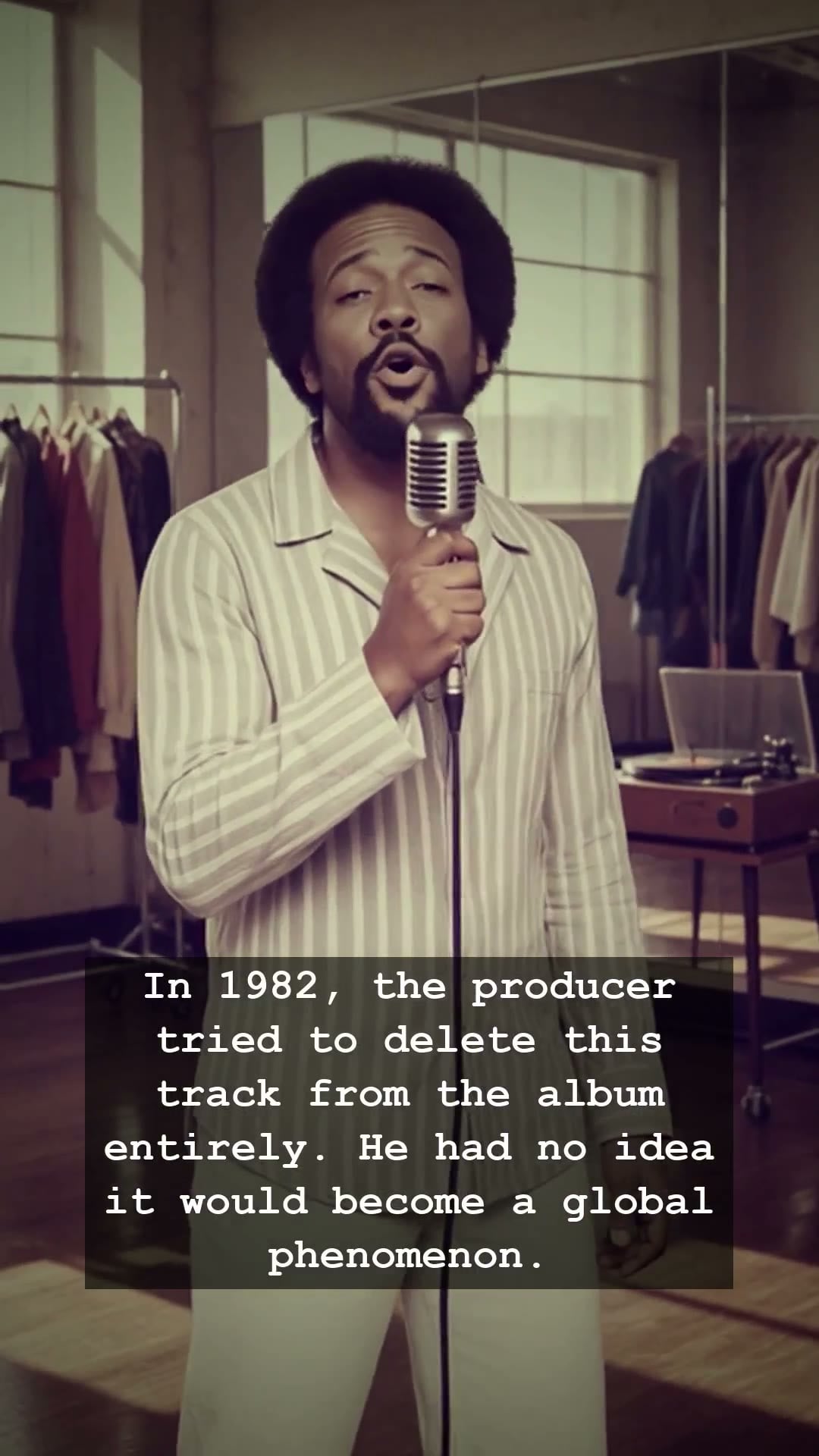
The year was 1982, and the airwaves were dominated by the neon pulse of the post-disco era. Inside the hallowed walls of Westlake Recording Studios in Los Angeles, music history was being forged in secret. Michael Jackson, then a young man shedding his childhood persona, was laboring over what would become the best-selling album of all time. Among the tracks being meticulously polished was a song that would soon define the decade: Billie Jean. Yet, the road to this masterpiece was paved with intense creative conflict that nearly left the song on the cutting room floor.
Quincy Jones, the legendary producer guiding Michael Jackson through the ambitious Thriller project, was skeptical. He found the song’s signature, minimalist bassline to be too repetitive and insisted that the long, hypnotic intro was simply too sluggish for radio listeners accustomed to the fast-paced energy of the early 80s. Jones begged Michael Jackson to cut it, arguing that it lacked the punch needed for a chart-topping hit. In the high-stakes world of music production, where a single second could determine the success of a track, this was a massive gamble. But the artist knew something the veteran producer didn’t.
Michael Jackson stood his ground with a quiet, steely determination. He explained that the bassline made him want to dance, and that the tension built within those opening bars was precisely what the song required to capture the listener’s soul. He wasn’t just making a record; he was crafting a sensory experience. That stubbornness, that refusal to compromise his internal rhythm, was the turning point for the album. It was a clash of titans—the refined, commercial sensibility of Jones meeting the raw, instinctive genius of the King of Pop.
When the song finally hit the airwaves, it shattered every expectation. It was the moment Michael Jackson cemented his dominance, forever shifting the landscape of pop music. The success of Billie Jean went beyond the charts; it defined the culture of the mid-80s, resonating in every Walkman and jukebox across the globe. It proved that sometimes the most unconventional, stripped-back choices are the ones that endure the longest. The song became a masterclass in tension and release, proving that Michael Jackson had an uncanny ability to hear the future before anyone else.
Looking back, it is impossible to imagine the Thriller era without the shadow-drenched groove of that track. It remains a haunting, infectious testament to the power of artistic conviction. Whenever we hear those first few notes today, we aren’t just listening to a hit song; we are witnessing the exact moment the world changed. It reminds us that behind the glitz and glamour, the greatest art often comes from a place of defiance. Decades later, Michael Jackson continues to command our attention, teaching us that to make a legend, one must first be brave enough to trust the beat in their own heart.